
LOYALLOOK
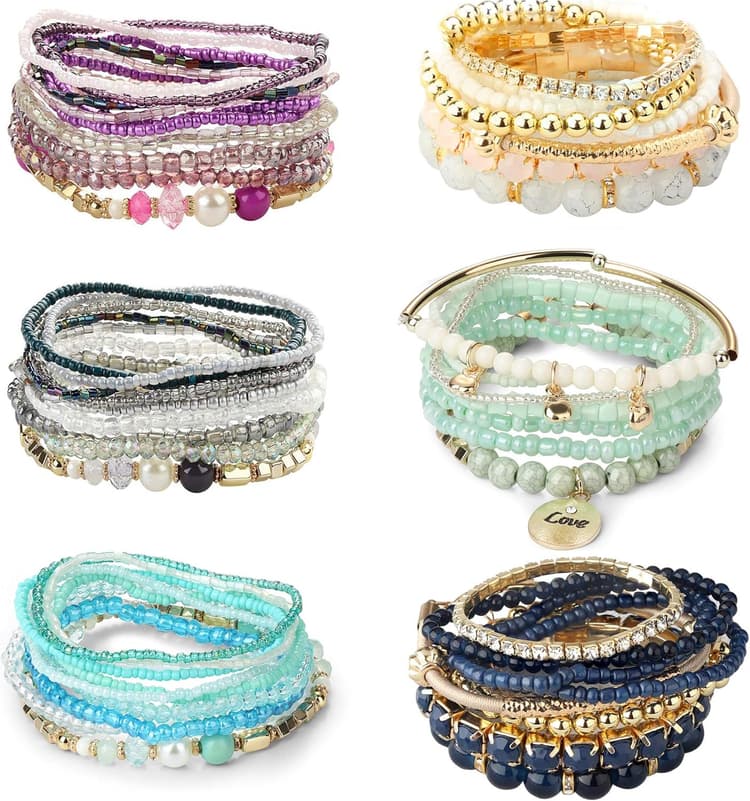
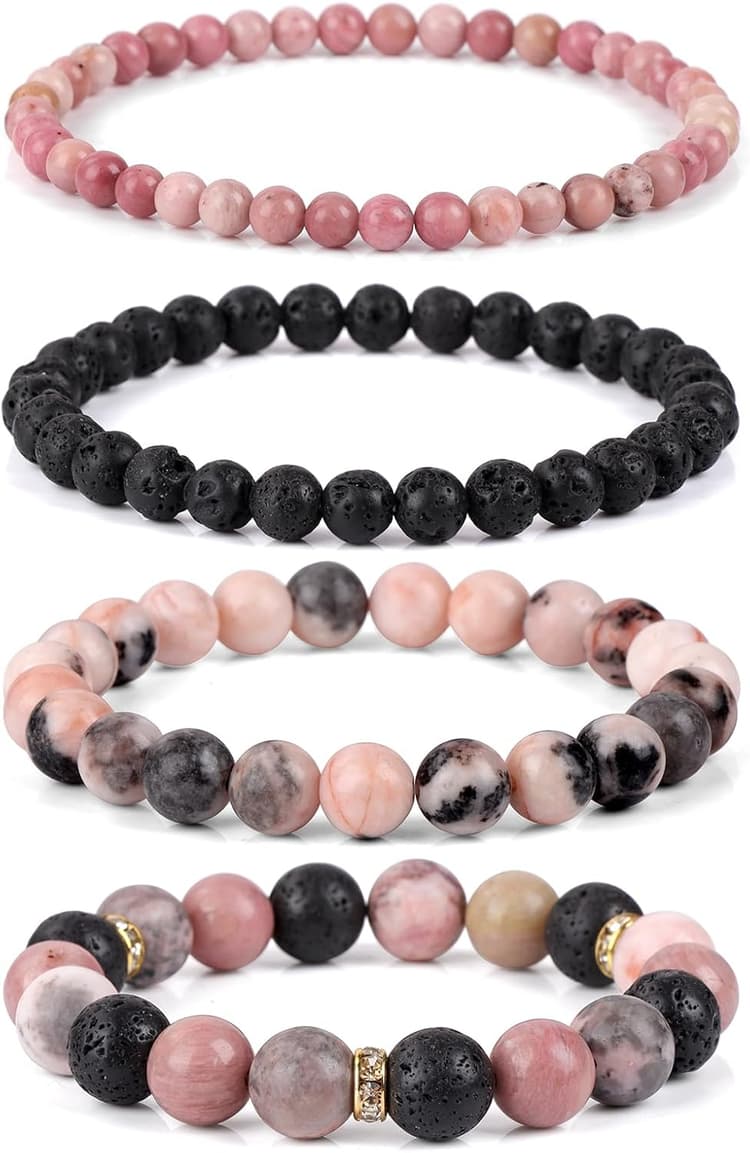
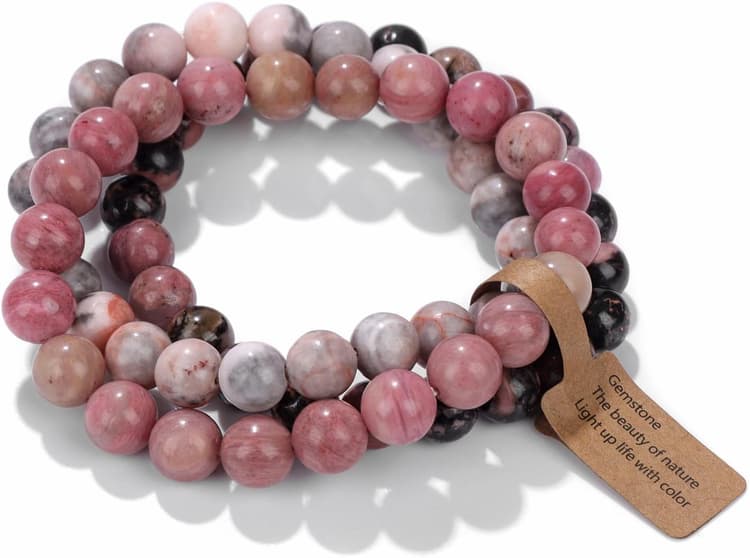
LOYALLOOK 6 Sets Bohemian Stackable Bead Bracelets for Women Stretch Bohemian Style Stretch Multilayered Boho Bracelet Set
★★★★☆4.5
$16.98
$19.98
-15 %
*
Senior jewelry editor specializing in buying guides, trend reports, and honest reviews.

Why this guide (March 2026): this updated, practical introduction helps you make defensible choices when buying beaded bracelets in 2026. The market now includes more traceable natural stones, robust synthetic options and improved elastic technologies. Rather than selling a style, the aim is to give you a reproducible checklist to evaluate comfort, longevity and value. Use the three pillars below to form your buying brief and compare options quickly.
Three pillars to define before purchase
Quick decision table
| Need | Fast rule (March 2026) |
|---|---|
| Daily, active wear | Prioritize coated steel cable or reinforced multi-strand elastic, stainless clasps |
| Dress/occasional | Prioritize bead finish and symmetry; delicate mounts are acceptable |
| Budget | Choose quality mounting and clasp; substitute glass for rare stones |
Practical checks to perform in-store or on product pages
If you want curated models as starting points, compare items in the site’s beaded bracelets category and review market context in our recent coverage such as Bracelet Revival – Weekly Review (16–22 Mar 2026).
This guide uses March 2026 standards: look for traceability claims on natural stones, UV- and wear-treated elastics, and robust crimping on cable mounts. Implement the checklists here to reduce post-purchase returns and get a bracelet that fits your life, not just your look.
LOYALLOOK
$16.98
$19.98
-15 %
*
Junkin
$22.99
$24.99
-8 %
*
SAMOCO
$16.99
$17.99
-6 %
*
LUYI
$12.99
Vinswet
$9.99
Risyfjew
$8.99
Jewdreamer
$14.99
VIBILIA
$7.99
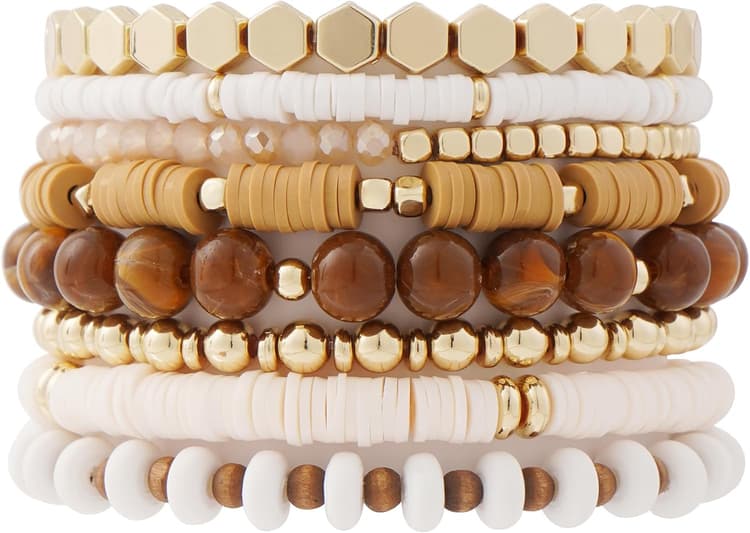
GOOJIDS
$12.99
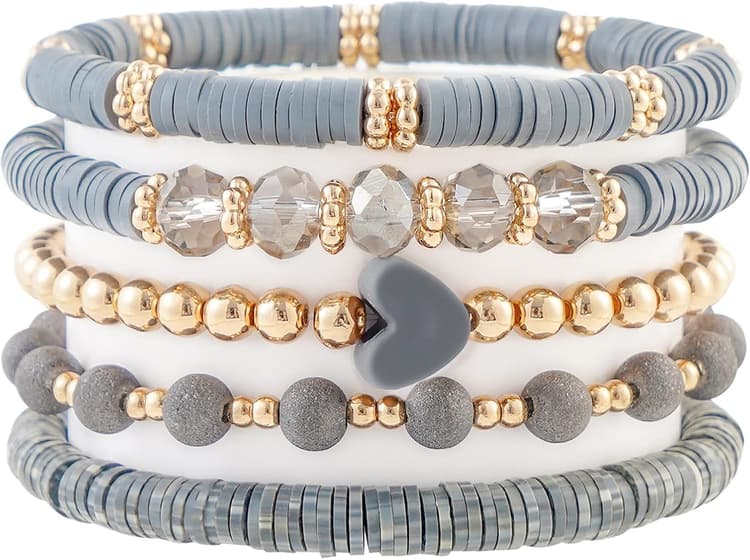
RISHEGAE
$7.99
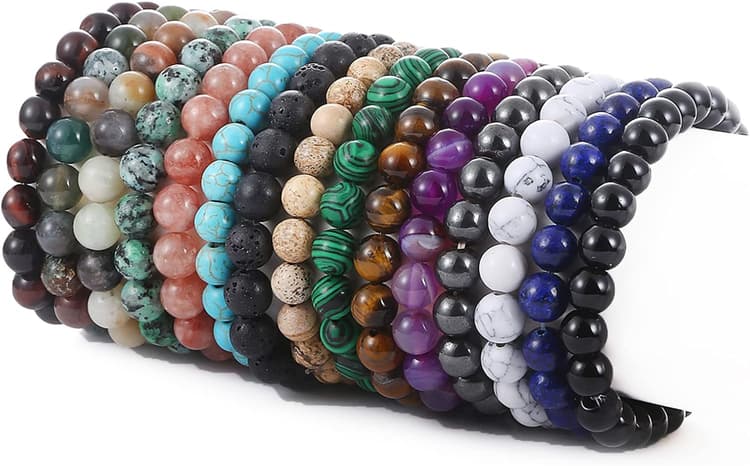
SONNYX
$20.99
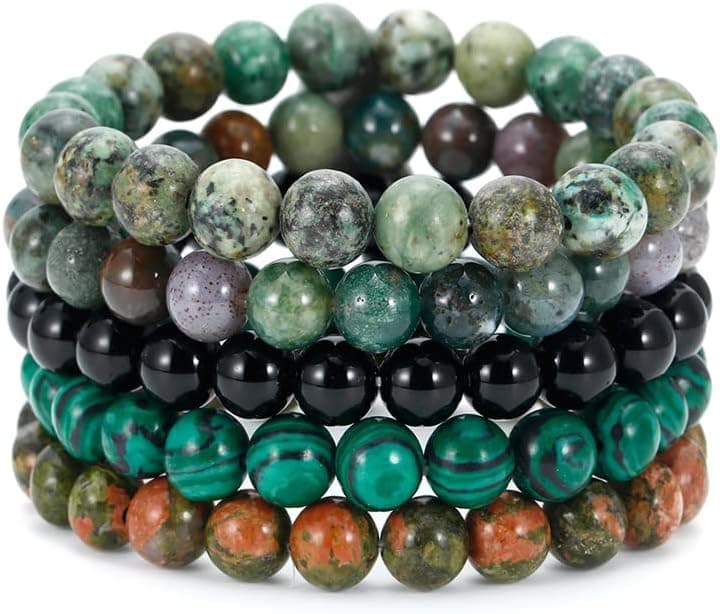
BOMAIL
$14.99
Before comparing models and materials, clarify the intended use. A bracelet worn occasionally for events has different requirements than one worn daily. Use this three-step method to define your needs:
Practical notes: skin sensitivity (metal allergies or dyed beads), preference for a clasp vs. elastic, and overall budget. Mentally cross-reference use, style and constraints: if you want a bracelet for swimming, exclude non-waterproof constructions immediately. If buying as a gift, consider size and recipient taste.
This approach streamlines the search: you evaluate bracelets against a personal brief instead of appraising each one in isolation.
Price explained (March 2026): Bracelet prices reflect bead provenance, finishing, stringing method, metal parts and brand or distribution costs. In 2026 consumers increasingly pay premiums for verified traceability and durable mounts rather than for decorative plating alone. Use the following breakdown to prioritise spend based on your brief.
Primary cost drivers
How to allocate budget — quick matrix
| Priority | Where to invest |
|---|---|
| Durability (daily wear) | Strong stringing, stainless/solid silver clasp, knotting between beads |
| Aesthetics (occasional) | High-quality bead finish, symmetry, delicate clasp acceptable |
| Budget conscious | Choose faceted glass or resin beads + quality clasp and reinforced elastic |
Practical negotiation & comparison tips
For hands-on comparisons, start from curated selections such as our selected beaded bracelets and contrast with related categories (for example chain bracelets) to quantify when a higher clasp/stringing cost is justified: see chain bracelets selection.
In short: spend most where failure is costly (stringing, clasp, repairability) and economise on bead type only when your brief accepts shorter-term wear. This approach yields better long-term value than chasing a single expensive bead on poor construction.
The right size is essential for both comfort and looks. Too tight is uncomfortable; too loose risks snagging or loss. Follow this instructional method to measure and adjust:
Measurement steps:
Comfort and construction:
Practical tips:
Accurate measurement and awareness of construction reduce post-purchase alterations and ensure comfortable wear.
Materials determine longevity and care. Knowing how to spot characteristics of each component helps you predict how the bracelet will wear over time.
Common bead types and behavior:
Stringing materials and techniques:
Treatments and finishes to check:
Care tips by material:
Understanding these factors allows realistic expectations about durability and informs appropriate maintenance for the intended use.
Comparing several bracelets is straightforward if you focus on a few essential criteria. Use this five-point pedagogical framework when evaluating options.
Construction strength: check thread type, whether there are knots between beads, and the quality of clamp endings. Good construction greatly extends lifespan.
Bead quality: inspect uniformity, absence of chips and color consistency. Natural beads can have inclusions; these are not always defects but affect appearance and durability.
Clasps and metal parts: note the material (stainless steel, silver, plated). Robust, oxidation-resistant clasps suit daily wear.
Comfort and weight: heavy bracelets become uncomfortable after hours. Heavy stone beads require sturdy construction; light beads (wood, resin) suit prolonged wear.
Maintenance and repairability: favor easily repairable constructions (beads on standard-fitted thread) if you expect to replace beads or re-string. Check for available parts or repair options.
Practical comparison method:
This simple framework converts visual checks into a rational decision-making process, useful for both in-store and online purchases.
Assessing everyday performance means simulating real stresses: abrasion, exposure to water and sweat, impact and repeated handling. Here are tests to run and common mistakes to avoid.
Quick pre-purchase checks:
Common beginner mistakes:
Practical expert tips:
Routine care:
These simple checks and habits will extend the life of your bracelet and reduce post-purchase issues.
LUYI
$12.99
Vinswet
$9.99
Risyfjew
$8.99
Jewdreamer
$14.99
VIBILIA
$7.99
GOOJIDS
$12.99
RISHEGAE
$7.99
SONNYX
$20.99
LOYALLOOK
$16.98
$19.98
-15 %
*BOMAIL
$14.99
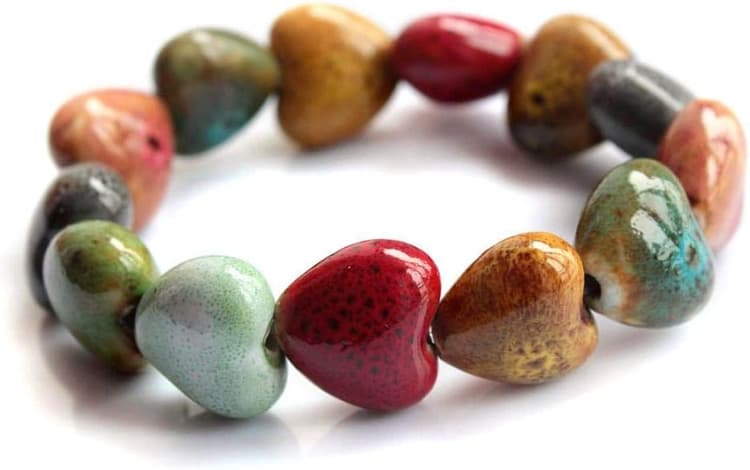
Shuiniba
$5.95
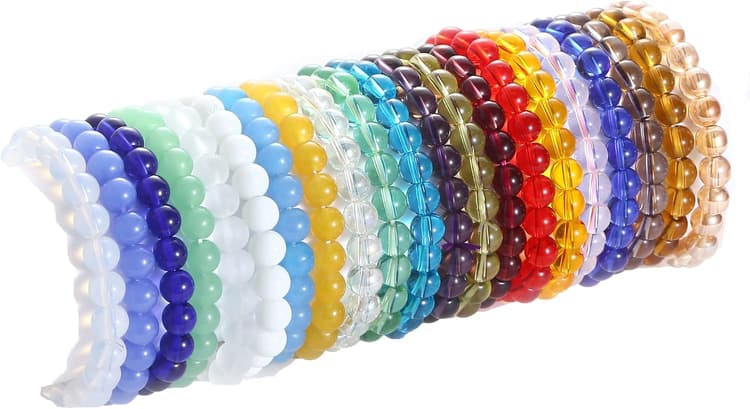
CASDAN
$9.99
Final checklist (March 2026): This concise summary brings together the practical checks to complete before purchase. Use it in-store or while reading product pages to avoid common post-purchase issues and to prioritise the right features for your lifestyle.
Pre-purchase checklist (use verbatim)
Maintenance quick rules
Decision-flow (one-minute method)
For a structured comparison across multiple options, consult our guides hub and editorial selections to benchmark choices: visit the Complete Guides hub and compare with our selected beaded bracelets to fast-track options that meet a 2026 durability standard.
Following this stepwise approach — define needs, apply the checklist, compare using the framework in this guide — reduces returns and ensures you select a beaded bracelet that balances comfort, look and everyday resilience. These are the editorial benchmarks to rely on in March 2026 and beyond.
This guide was written for educational and informational purposes and does not promote specific brands or products. Recommendations are based on material criteria and accepted best practices for beaded jewelry. No compensation or commercial partnership influenced the content. The aim is to help readers make informed choices.
Our guides compare and assess jewelry using objective criteria and expert insight.
We regularly update articles to reflect new releases and recent tests.
We may earn a commission if you buy via our links; this does not influence our editorial selection.
When you click, you are redirected to partner retailers chosen for their reputation.