
RLMOON
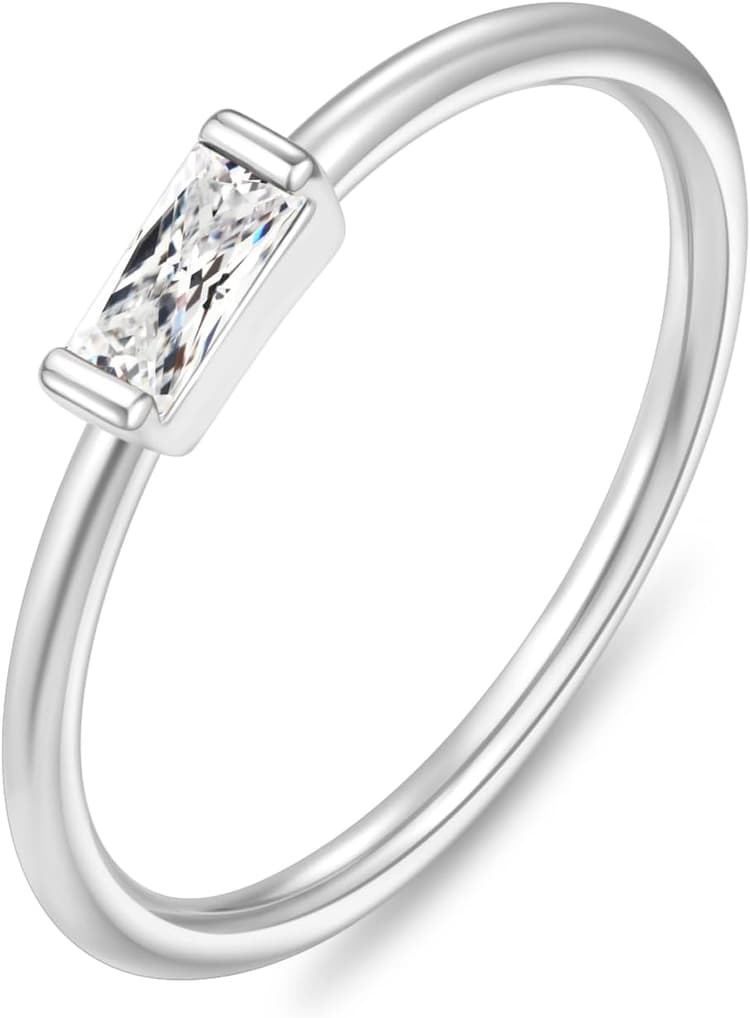
RLMOON Birthstone Rings for Women Non Tarnish Gold Stackable Rings Dainty 14K Gold/Silver Plated Baguette CZ Emerald Green Pinky Ring Personalized Jewelry Gift for Birthday Size 4-10
★★★★☆4.2
$7.99
$9.99
-20 %
*
Senior jewelry editor specializing in buying guides, trend reports, and honest reviews.

Why this guide matters (March 2026 update)
This guide translates emotion into reliable buying choices for birthstone rings in 2026 by focusing on measurable decision points rather than brand pitches. Jewelry expectations have shifted: buyers now ask about traceability, treatments and durability alongside color and symbolism. Use this guide to balance "meaning" with daily performance and after‑sale support.
How to use the guide — three quick steps
| Priority scenario | Typical recommendation | Why it matters |
|---|---|---|
| Daily active wear | Hard stone (sapphire/diamond), bezel/low setting, 14K–18K gold or platinum | Reduces loss, scratching and snagging |
| Occasional / formal | Strong emphasis on visual impact (larger cut, color intensity) | Accepts more maintenance for wow factor |
| Sentimental / heirloom | Focus on provenance and certification | Future resale and repair clarity |
Practical navigation
This guide is intentionally modular: read only the sections relevant to your chosen priority and keep the checklists when communicating with a jeweler or an online seller. The editorial focus is practical: measurable specs, tested check questions and realistic maintenance expectations for the ring you will wear in real life.
RLMOON
$7.99
$9.99
-20 %
*
SOLEVAN
$7.99
$9.99
-20 %
*
Enso Rings
$24.99
$29.99
-17 %
*
Bestyle
$36.49
$39.49
-8 %
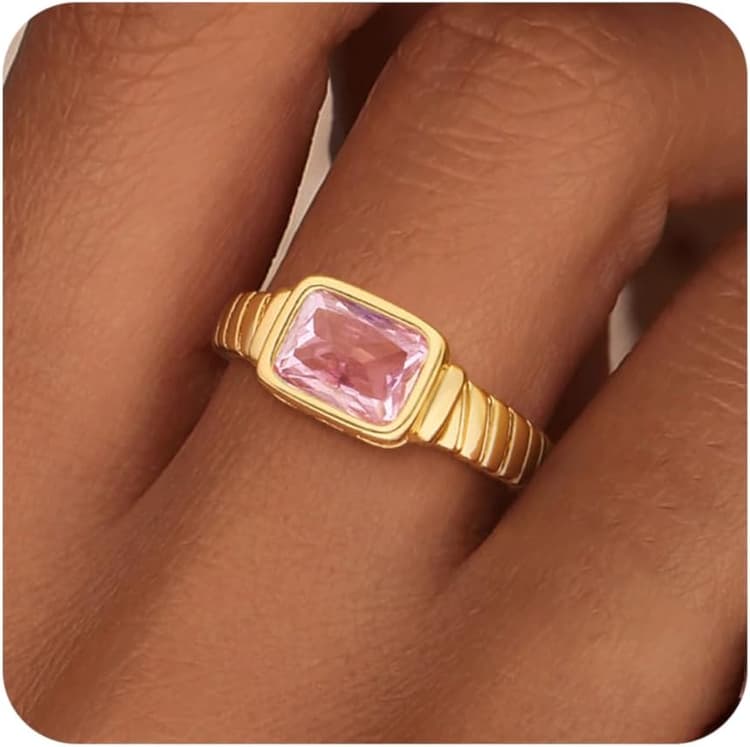
*
ZHESHY
$9.49
$9.99
-5 %
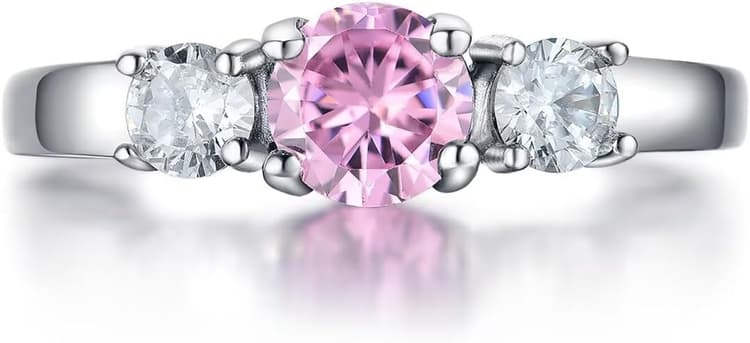
*
AILAAILA
$13.99
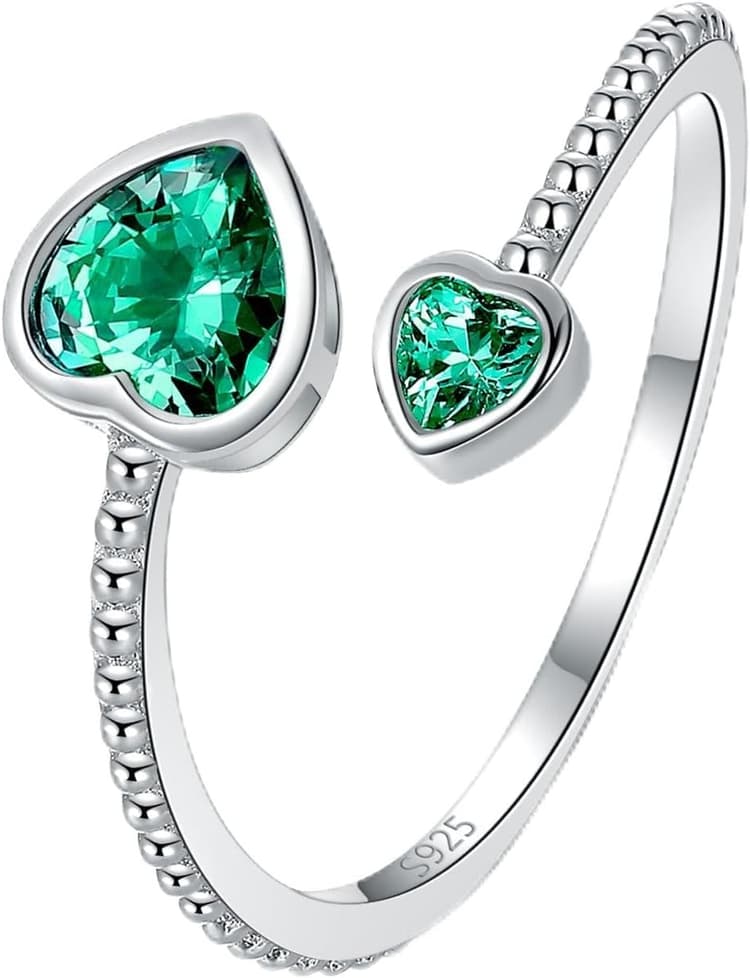
Step Forward
$25.99
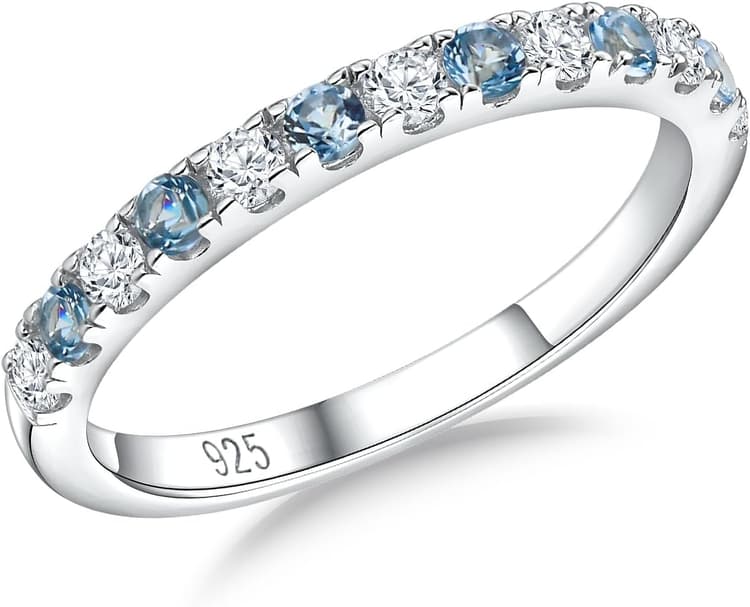
RANDES
$38.99
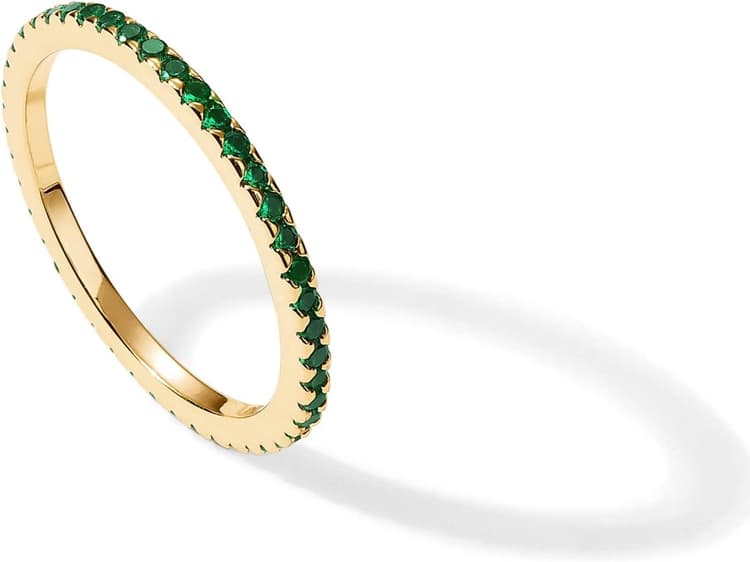
PAVOI
$13.95
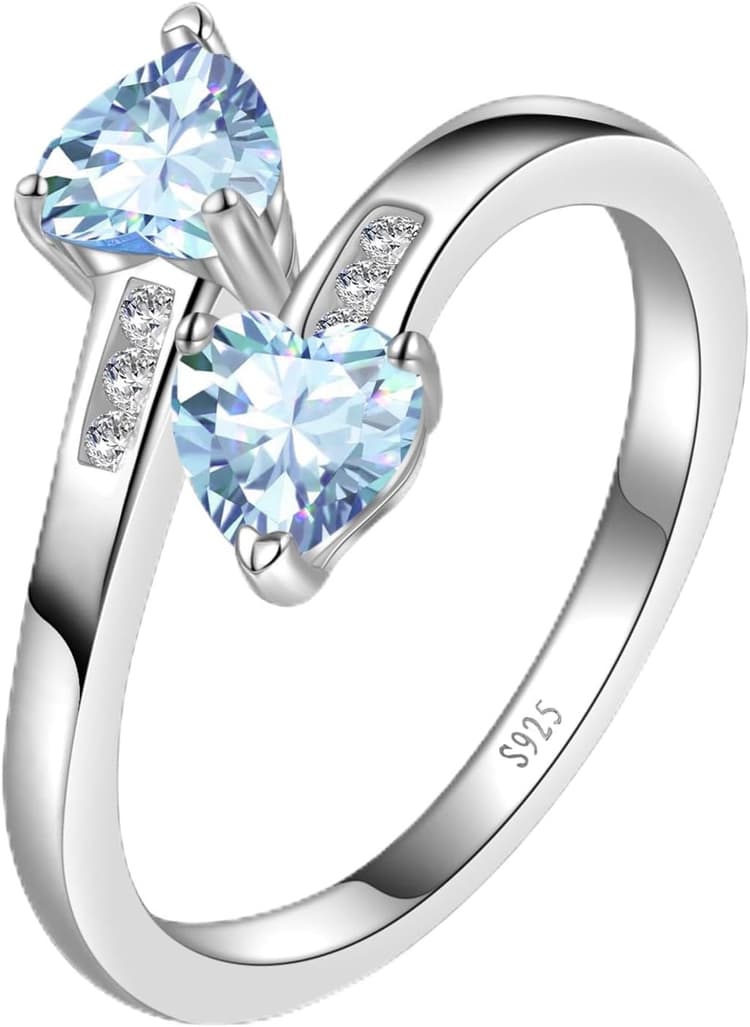
Yaresul
$26.99
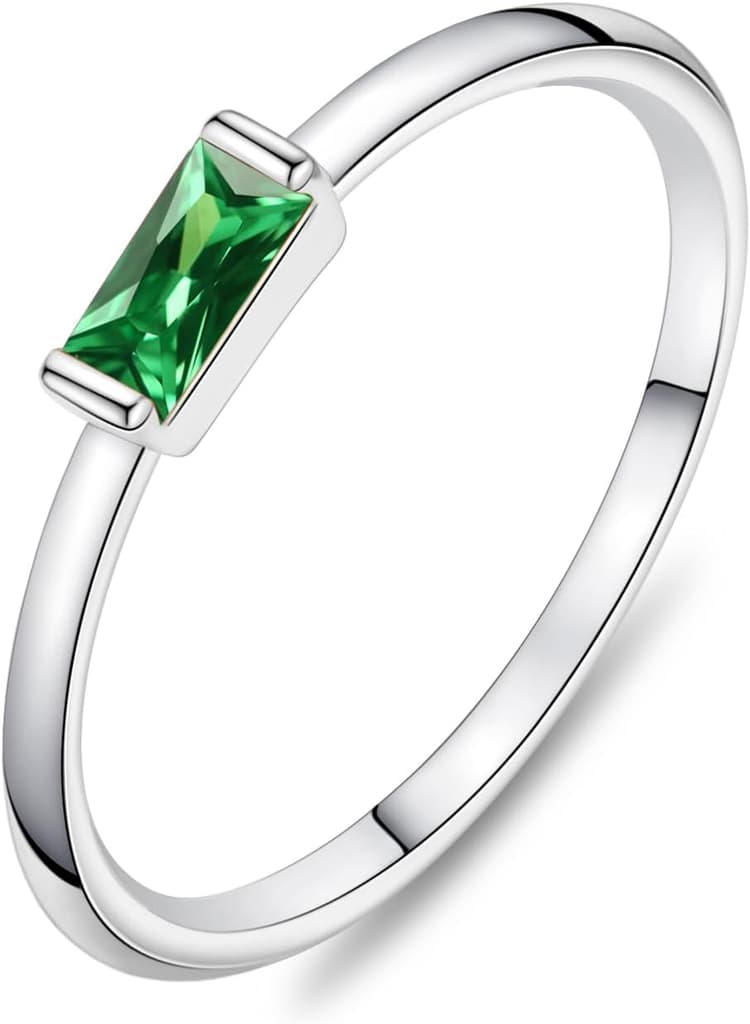
KOHOTA
$9.99
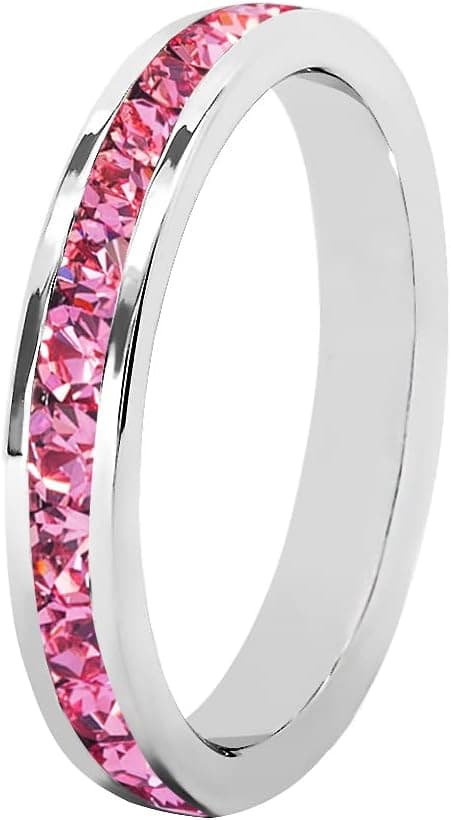
Bosvision
$12.99
Start by specifying use cases — practical checklist (March 2026)
Selecting the right birthstone ring begins with a short, structured assessment. This section gives a reproducible checklist and scenario templates you can use when browsing in store or comparing online offers. The point: translate lifestyle constraints into specific material and setting choices.
Step A — Quick context survey (fill this before shopping)
Step B — Map priorities to concrete choices
Scenario templates (copy+paste to a seller message)
"I want a ring for daily office wear, low maintenance. Prefer nickel‑free metal and a bezel setting. Stone size ~4–6mm; please provide mm dimensions, carat, metal fineness and treatment history."
For objective benchmarking, compare product specs against curated lists such as our Birthstone rings picks. Always request photos under different lighting and the technical spec sheet rather than relying solely on lifestyle imagery.
Bottom line: a short, repeatable checklist (use frequency, activity, maintenance tolerance, allergies) converts a subjective desire into an objective purchasing brief you can use in person or as a template for messages to online sellers.
Price for a birthstone ring depends on several combined factors: the gemstone type, its size (carat weight), optical quality (color, clarity, cut), the metal, setting craftsmanship, and the seller. Break down the price components to make informed comparisons.
Gemstone: the species of gem accounts for a large share of cost. Some natural stones are scarce or highly sought after and command higher prices per carat. Carat weight tends to increase price nonlinearly: moving from 0.5 to 1 carat can multiply cost depending on the stone. Cut quality affects brilliance and therefore perceived value.
Metal and setting: metals differ in cost and wear characteristics. Platinum is denser and usually pricier; 18K gold contains more pure gold than 14K and offers a richer hue while being somewhat softer. Intricate mountings and invisible settings add labor costs.
Treatments and certificates: many gems undergo treatments (heat, stabilization) that alter appearance and price. A gemological certificate for major gemstones provides verification and often justifies premium pricing.
Practical checklist for price comparison: request stone dimensions in mm, carat weight, exact metal type, and any certificate. For online purchases, rely on technical specifications more than photos. Finally, weigh aesthetic appeal against maintenance needs: a higher price does not always equal better suitability if the ring requires care you are unwilling to provide.
Correct ring size is key to both comfort and security. A too-tight ring can impede circulation and cause discomfort; a too-loose ring risks slipping off. Size perception also depends on band width and hand anatomy.
Reliable measurement: use a calibrated ring sizer or have your finger measured by a jeweler. For online buys, convert the measurement to mm and consult the seller's size chart. Measure late in the day when fingers are slightly swollen and avoid measuring in cold conditions.
Band width and fit: a thin band (1.5-3 mm) appears larger on the finger; a wide band (6 mm+) often requires about a half-size increase for equivalent comfort. Inner profile matters: a rounded “comfort fit” interior reduces friction and is better for extended wear.
Comfort with settings: high settings and protruding prongs can catch on clothing and irritate skin. For everyday rings choose low-profile settings, smooth edges and well-finished prongs. If torn between sizes, selecting the larger size and planning a professional resize is usually safer.
Special considerations: pregnancy, weight change and climate affect finger size. When buying a gift, discreetly check a similar ring size or choose an adjustable design or allow for an exchange to avoid sizing issues.
A ring's lifespan depends on metal choice and manufacturing quality as much as the gemstone. Knowing material properties helps anticipate wear and maintenance.
Common metals: sterling silver is affordable but soft and prone to tarnish, requiring more frequent cleaning. Gold comes in purities (10K, 14K, 18K): higher gold content makes the metal softer and more susceptible to scratches. Gold plating provides color but wears off over time. Platinum is dense, often hypoallergenic, and durable although it develops a patina.
Allergies and alloys: some people react to nickel in certain white gold or silver alloys. If you have sensitive skin, prefer nickel-free alloys or explicitly hypoallergenic metals.
Setting and craftsmanship: how the stone is set significantly impacts security. Bezel or closed settings protect fragile gems better; prongs should be robust and well placed. Inspect the finish quality: smooth edges, no burrs, and clean solder joints.
Finishes and wear: polished, brushed or satin finishes affect both look and scratch visibility. High polish shows scratches more clearly; brushed finishes hide minor wear.
Preventive care: schedule periodic checks of settings and appropriate cleaning for the stone type. Some stones (opal, pearl) are sensitive to liquids and chemicals, while others (sapphire, diamond) handle daily wear more robustly.
When comparing rings, focus on measurable and observable features. Use these criteria to evaluate options systematically.
Stone dimensions: request the diameter in millimeters and carat weight. These figures help estimate visual impact; stones of equal carat weight may look different depending on cut depth.
Cut and sparkle: the cut determines how the stone returns light. A well-proportioned cut maximizes brilliance; view images from multiple angles where possible.
Setting type: identify bezel, prong, or channel settings. Bezel settings protect edges better and are suited to active lifestyles. Prong settings show more of the gem but expose it to impacts.
Metal and fineness: compare metal types and purity. For gold, 14K and 18K are standard indicators; for silver, look for '925'. Note any plating.
Warranties and aftercare: return policies, guarantees on settings and offered maintenance (cleaning, prong tightening) are often overlooked but valuable to compare.
Visual balance: check the ratio between stone size and band width; a small stone on a wide band can look disproportionate. If possible, preview the ring on a finger or use sizing simulators.
Recording these attributes side by side moves the decision from subjective impression toward reproducible assessment.
Everyday performance gauges how well a ring holds up under real-life use. To assess it practically, check or test these aspects.
Scratch and impact resistance: consider gemstone hardness (Mohs scale) and metal resilience. Harder stones like diamond and sapphire withstand scratches better; opals, ambers and pearls are fragile and need care.
Setting stability: inspect how closely prongs hold the gem and whether there is a supporting base. A setting with backing lowers the risk of the stone tilting or dislodging under impact.
Daily maintenance: ask how easy the ring is to clean: some stones tolerate soapy water while others need special care. Avoid harsh chemicals and ultrasonic cleaners for sensitive gems.
Comfort in real situations: try the ring with gloves, during manual tasks or repetitive movements. Note any catching or discomfort. Low-profile settings and smooth bezels reduce snagging risk.
Aging and patina: certain metals develop patina over time. If you want a consistent finish, ask about polishing and restoration options. For daily-worn pieces schedule an annual setting check.
When buying remotely, choose sellers who disclose materials clearly and provide repair or return options in case actual performance differs from product listings.
Beginners often make a few avoidable mistakes. Below are common errors and practical expert tips you can apply immediately.
Mistake 1 - Relying only on photos: attractive images do not reveal cut depth, inclusions or setting security. Request photos under different lighting and full technical specs.
Mistake 2 - Overlooking setting quality: a poorly secured stone is the main cause of loss. Check prong strength and absence of lateral play by visual inspection or ask for a professional check.
Mistake 3 - Ignoring lifestyle compatibility: choosing a fragile stone for daily wear leads to damage and repairs. Opt for harder gems or protective settings if you plan everyday use.
Mistake 4 - Skipping return and warranty checks: without clear return terms or repair options, you assume unnecessary risk. Confirm timeframes and conditions.
Practical expert tips:
Following these simple steps reduces surprises and extends the life of your ring without needing technical expertise.
AILAAILA
$13.99
Step Forward
$25.99
Bestyle
$36.49
$39.49
-8 %
*RANDES
$38.99
Enso Rings
$24.99
$29.99
-17 %
*PAVOI
$13.95
Yaresul
$26.99
KOHOTA
$9.99
Bosvision
$12.99
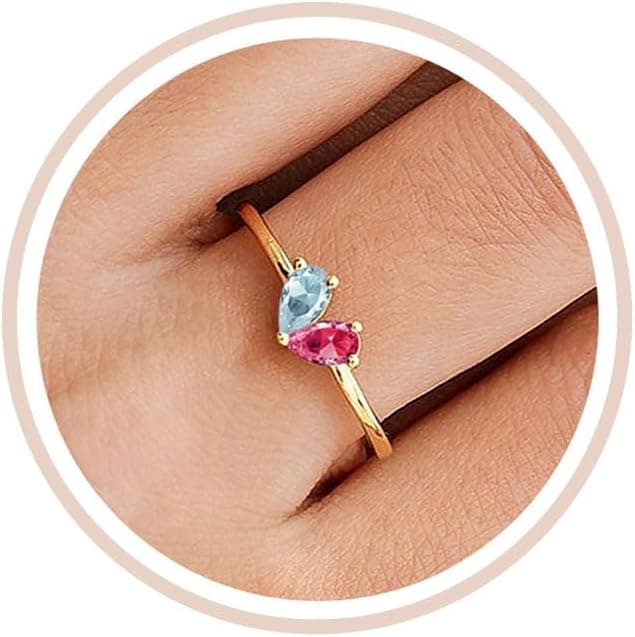
TOSGMY
$6.84
YITANA
$28.00
ZHESHY
$9.49
$9.99
-5 %
*Fast checklist and aftercare plan (March 2026)
This concise section gives the last‑mile checklist you should follow at purchase and a simple aftercare timetable so your birthstone ring performs long term. Use the checklist when you inspect the ring or before finalizing an online order.
Pre‑purchase checklist (present this to any seller)
Simple aftercare timetable
| Timing | Action |
|---|---|
| Immediately after purchase | Verify documentation, take photos, register warranty if available |
| Monthly | Visual check for loose stones or worn prongs |
| Every 6–12 months | Professional check and cleaning; tighten prongs if recommended |
| As needed | Re‑polish or re‑plate (for plated items) and address corrosion or heavy wear |
Buying remotely — extra precautions
Final practical tips
Follow this compact checklist and maintenance plan to turn a meaningful purchase into a long‑lasting daily piece rather than a one‑time ornament.
This guide is informational and educational, based on general jewelry principles and common industry practices, without endorsing specific brands or products. Recommendations are intended to help readers make informed choices according to personal priorities. We did not test individual products by purchase; guidance is grounded in professional knowledge and standard technical criteria. Always review product specifications and ask sellers for clarification before finalizing a purchase.
Our guides compare and assess jewelry using objective criteria and expert insight.
We regularly update articles to reflect new releases and recent tests.
We may earn a commission if you buy via our links; this does not influence our editorial selection.
When you click, you are redirected to partner retailers chosen for their reputation.