
JEMARA
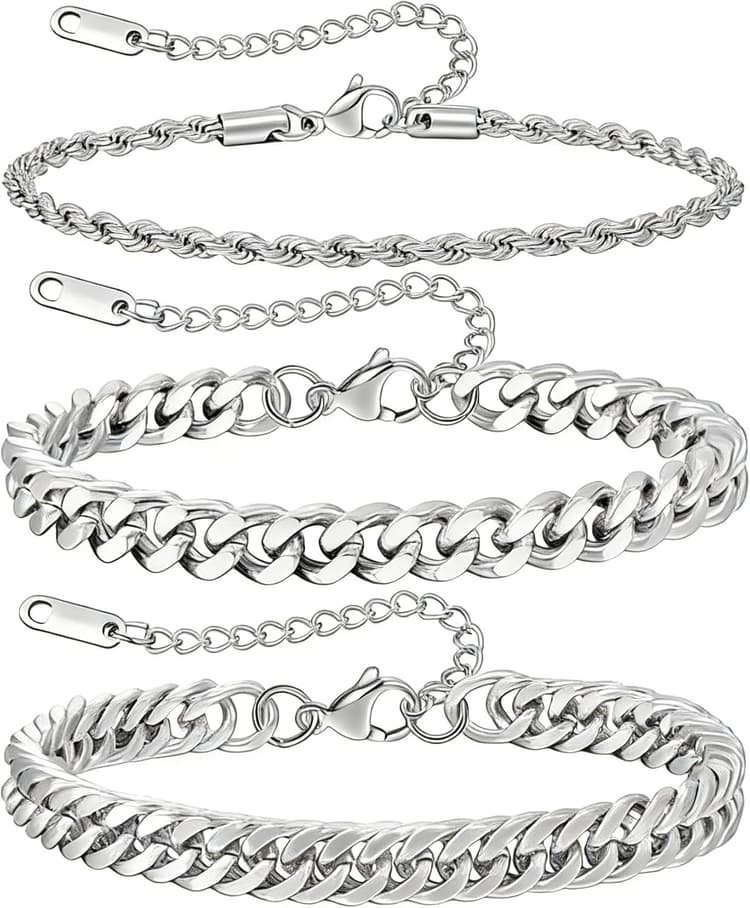
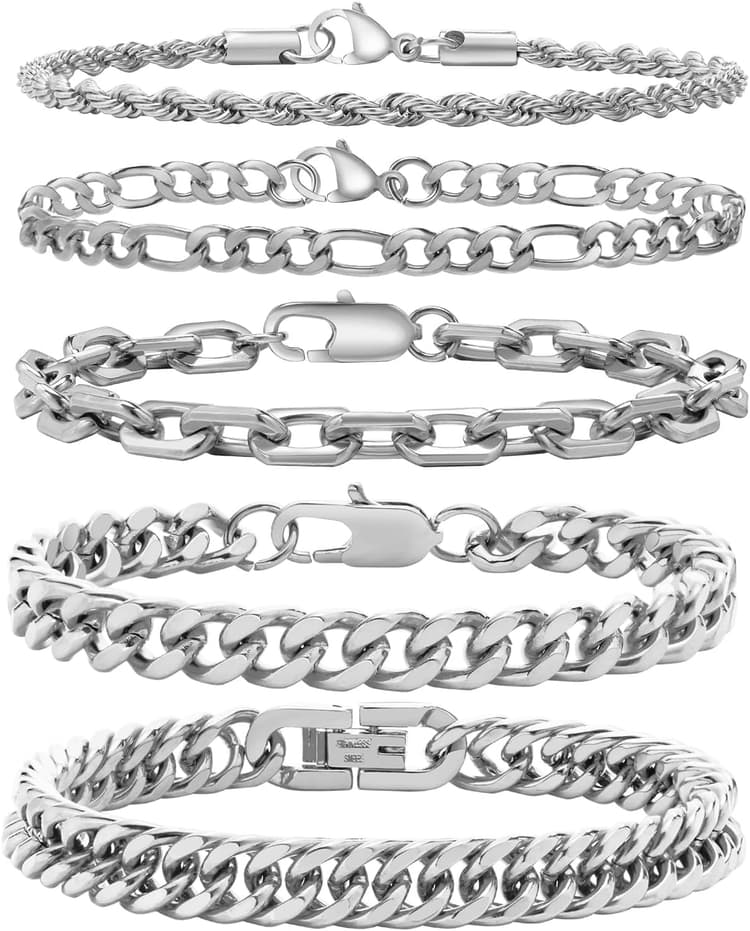
JEMARA 3Pcs Stainless Steel Mens Bracelet,Adjustable Sturdy Silver Cuban Chain Bracelet Set for Men
★★★★☆4.3
$9.99
$18.99
-47 %
*
Senior jewelry editor specializing in buying guides, trend reports, and honest reviews.

Why this guide matters in 2026
This guide focuses on the concrete decisions that affect comfort, longevity and day-to-day performance of chain bracelets in 2026. Jewelry consumers now expect clear technical information (metal composition, soldering, clasp type) and practical performance checks before buying — especially for pieces intended for frequent wear. The goal is to give you a reproducible decision workflow so you can compare options objectively and reduce returns.
What you will find here
How to use the guide in-store and online
Two immediate resources
Format & tone: neutral, evidence-based, and geared toward fast decisions. Use the checklists and examples to filter options efficiently and choose a bracelet that matches your lifestyle and budget in 2026.
JEMARA
$9.99
$18.99
-47 %
*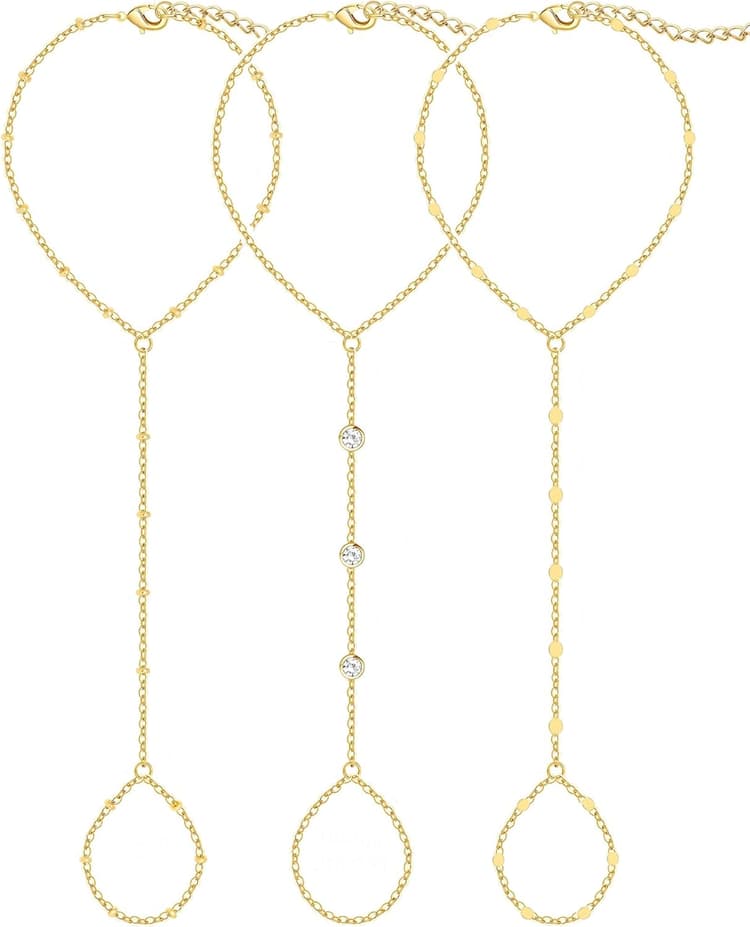
17 MILE
$9.96
$13.99
-29 %
*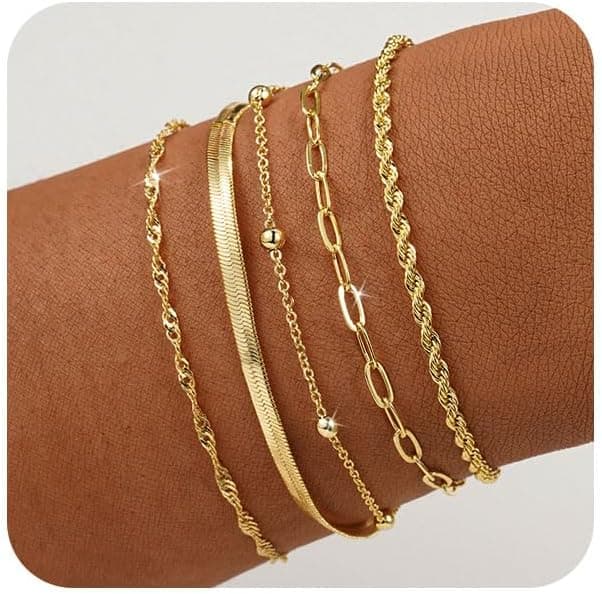
BERISO
$8.99
$11.99
-25 %
*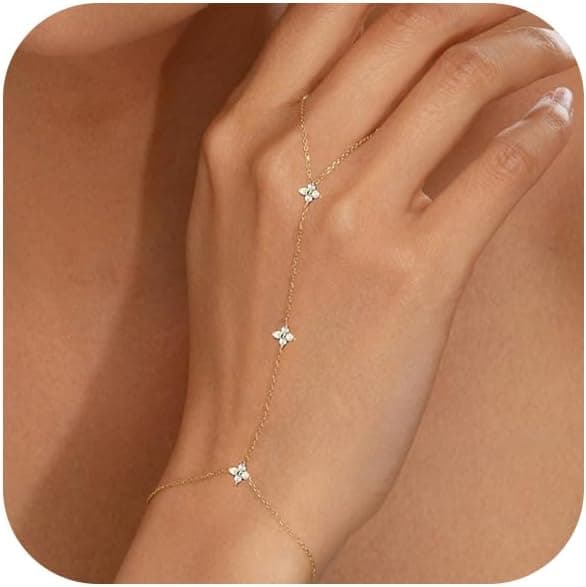
Bheop
$9.99
$12.99
-23 %
*
DEARMAY
$13.99
$17.59
-20 %
*
YEEZII
$8.99
$9.99
-10 %
*
MEVECCO
$13.99
DEARMAY
$13.99
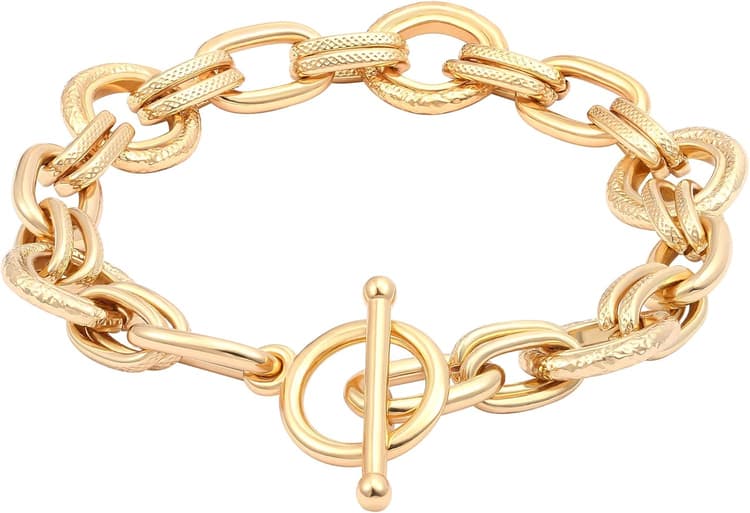
VNOX
$14.99
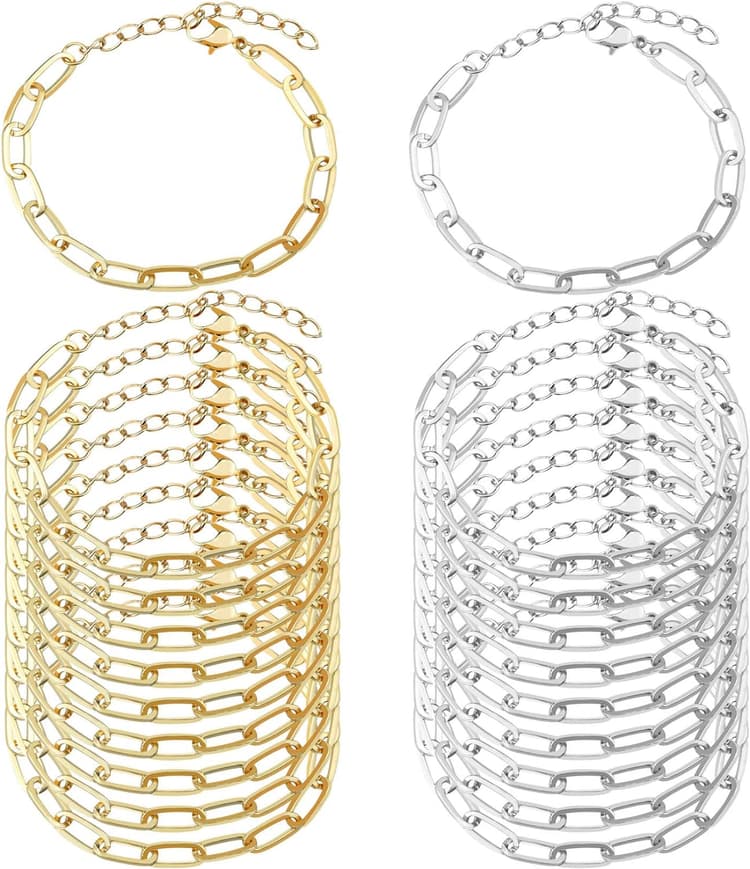
SOFYBJA
$10.99
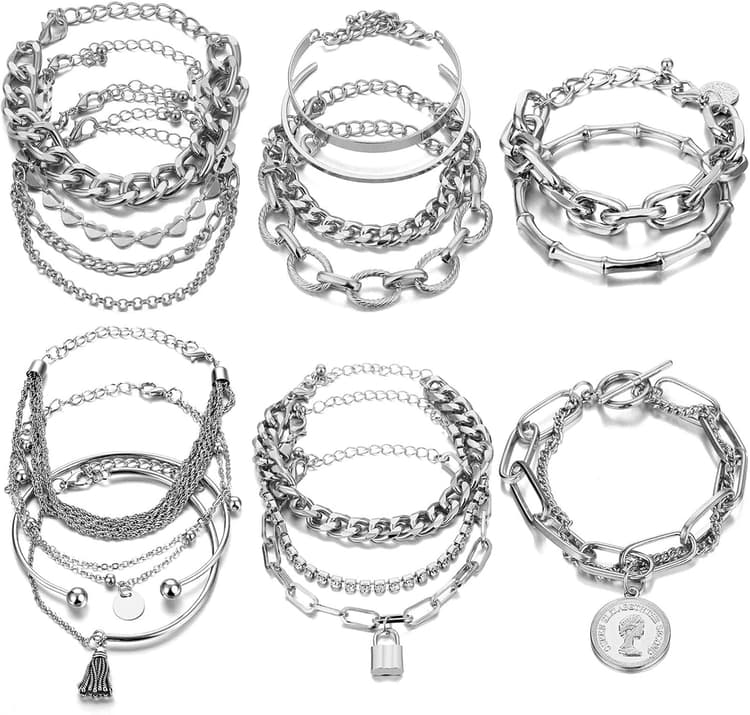
tiggell
$9.99
17IF
$9.99
Step 1 - Define intended use. Start by identifying when and how you will wear the bracelet. Is it for daily wear, special occasions, or stacking with other pieces? Daily wear favors durability and comfort; occasion pieces can prioritize appearance and fine detailing.
Step 2 - Identify the style profile. Chain bracelets come in distinct link styles: flat, tight links (curb) for a sturdy, masculine look; rounded links (rolo, cable) for understated elegance; and alternating patterns (Figaro) for decorative effect. Note link width and silhouette that match your wardrobe and personal taste.
Step 3 - Rank your priorities. Decide what matters most: longevity, hypoallergenic properties, weight, price, ease of maintenance, repairability. If you have nickel sensitivity, prioritize hypoallergenic options like higher-karat gold, quality stainless steel, or properly plated sterling silver.
Step 4 - Consider usage constraints. Think about work conditions, exposure to water or chemicals, and sports. These factors often point toward a thicker chain, a more secure clasp and robust materials.
Quick checklist:
Answering these questions up front narrows choices and makes the selection process efficient.
Overview — why prices vary in 2026
Price for a chain bracelet reflects several measurable factors. In 2026, transparency around metal sourcing and stronger consumer interest in traceability have become additional value drivers; provenance statements and certificates may justify part of a premium. Below is a pragmatic breakdown to help you judge value when comparing listings.
Key cost drivers (table)
| Driver | What to check | Practical effect |
|---|---|---|
| Material | Solid gold (10k/14k/18k), sterling silver, stainless steel, vermeil, gold-filled | Biggest single price factor; affects longevity and resale value |
| Weight & volume | Gram weight or wire gauge | Heavier chains cost more; affects comfort and perceived quality |
| Craftsmanship | Soldered links, hand finishing, welded jump rings | Raises cost; improves longevity and repairability |
| Components | Clasp quality, safety catches, reinforced end links | Adds cost but reduces loss/repair risk |
| Brand & traceability | Brand premium, certificates, supply chain disclosures | Can add margin but offers assurance for some buyers |
Practical guidance to evaluate price
Decision checklist
For curated choices and market-aware picks, consult our Expert Selection of Chain Bracelets (en) or the latest Bracelet Market Pulse (en) to align budget with realistic longevity expectations in 2026.
Why accurate sizing matters in 2026
A correct length ensures comfort, prevents damage and reduces returns. Because chain profiles vary (flat, bulky, raised), the same wrist circumference can require different finished lengths. This section gives step‑by‑step measuring, adjustment options and a short testing routine to apply in store or before buying online.
Step-by-step measuring (practical)
In-store comfort test (quick routine)
Post-purchase options
Practical table — common wrist sizes & recommended finished lengths
| Wrist circumference | Snug | Regular | Loose/Stack |
|---|---|---|---|
| 15 cm (5.9 in) | 15.5 cm | 16–16.5 cm | 17+ cm |
| 17 cm (6.7 in) | 17.5 cm | 18–18.5 cm | 19+ cm |
Final tips
If you need curated length suggestions or matching chains for stacking, see our Expert Selection of Chain Bracelets (en) or the equivalent curated lists in store.
Material choices and everyday durability
Material selection is the most important determinant of how a bracelet will age and perform. In 2026, buyers prioritize both durability and traceability; many also seek clear hypoallergenic assurances. Below is a concise practical guide to the common materials and finishes you will encounter, with maintenance expectations.
Material overview (bulleted)
Finish & construction matters
Maintenance dos & don'ts
Quick decision matrix (when to choose)
For product selections tuned to these material trade-offs, consult our Expert Selection of Chain Bracelets (en) or regional curated lists.
To choose between options, compare simple, verifiable features and assess expected everyday performance in realistic scenarios.
Key feature checklist:
How to compare practically:
Everyday performance factors:
Practical scenarios:
Applying these checks converts subjective taste into an objective comparison tailored to real use.
Common mistakes:
Misjudging size: buying or gifting a too-tight bracelet leads to returns. Always measure the wrist and add a margin based on intended wear.
Overlooking the clasp: fragile clasps are a common failure point. Check clasp quality and repairability.
Confusing thin plating with solid metal: thin plating wears quickly from friction and water. For daily wear, favor sturdier constructions.
Skipping technical details: lack of information on metal, weight or soldering is a red flag.
Practical expert tips:
Quick purchase checklist:
Following these steps lowers risk and helps you buy a bracelet that lasts and suits real-life use.
MEVECCO
$13.99
DEARMAY
$13.99
$17.59
-20 %
*DEARMAY
$13.99
VNOX
$14.99
BERISO
$8.99
$11.99
-25 %
*SOFYBJA
$10.99
tiggell
$9.99
JEMARA
$9.99
$18.99
-47 %
*17 MILE
$9.96
$13.99
-29 %
*YEEZII
$8.99
$9.99
-10 %
*Bheop
$9.99
$12.99
-23 %
*17IF
$9.99
Concise summary — buy with confidence in 2026
Selecting a chain bracelet requires balancing style, comfort, material and budget. Use the decision framework in this guide: define intended use, set priority criteria (durability, hypoallergenic, weight), verify technical specs and prefer soldered links and secure clasps for everyday wear. With rising consumer demand for traceability in 2026, consider provenance and repair policies alongside material and finish.
Actionable next steps (bullet list)
Quick purchase checklist (table)
| Must-have | Good-to-have |
|---|---|
| Material specified (karat/grade) | Traceability/certificate |
| Soldered links or welded joins | Spare links or resizing service |
| Robust clasp | Secondary safety catch |
| Clear return & repair policy | Weight in grams, close-up photos |
When to pay more
If buying online
For curated recommendations and to compare market options aligned with this checklist, consult our Expert Selection of Chain Bracelets (en) or the equivalent curated pages in French. Applying this structured approach will reduce returns and help you buy a bracelet that lasts and fits real‑world 2026 lifestyles.
This guide is an informational, educational resource to help choose a chain bracelet. It does not provide brand-specific endorsements or commercial rankings. Recommendations are based on widely accepted technical and practical criteria in the jewelry field. If commercial links or partnerships are present on the final page, they will be clearly disclosed.
Our guides compare and assess jewelry using objective criteria and expert insight.
We regularly update articles to reflect new releases and recent tests.
We may earn a commission if you buy via our links; this does not influence our editorial selection.
When you click, you are redirected to partner retailers chosen for their reputation.