
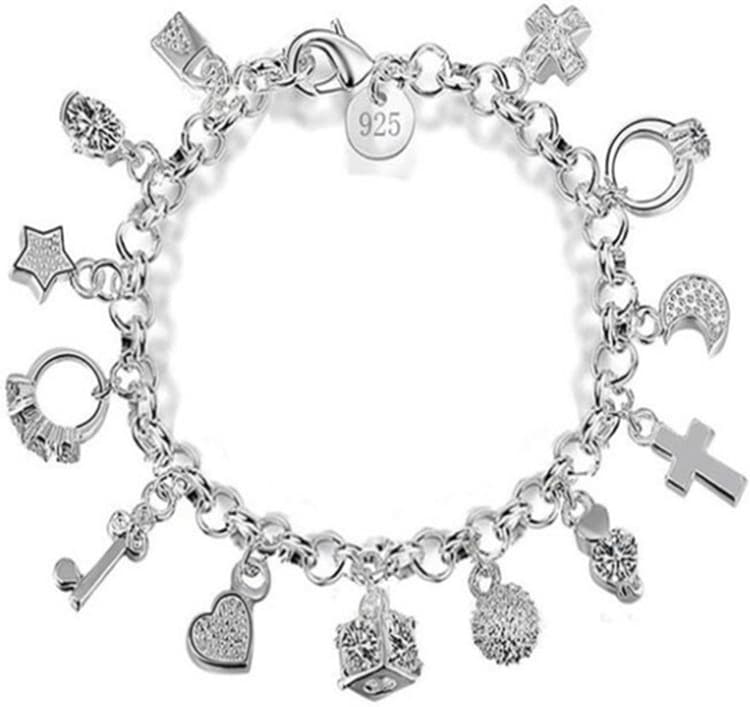
Generic
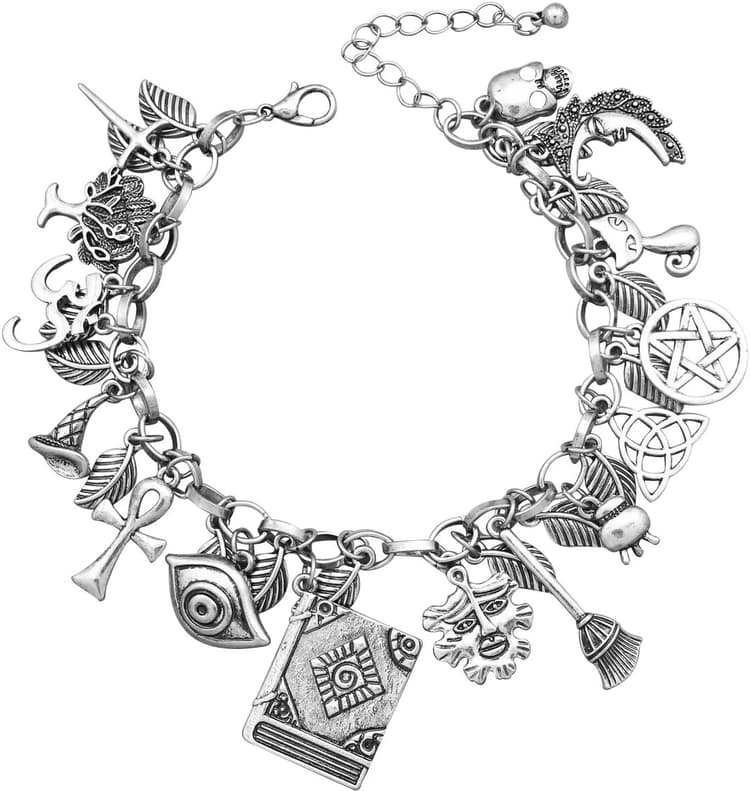
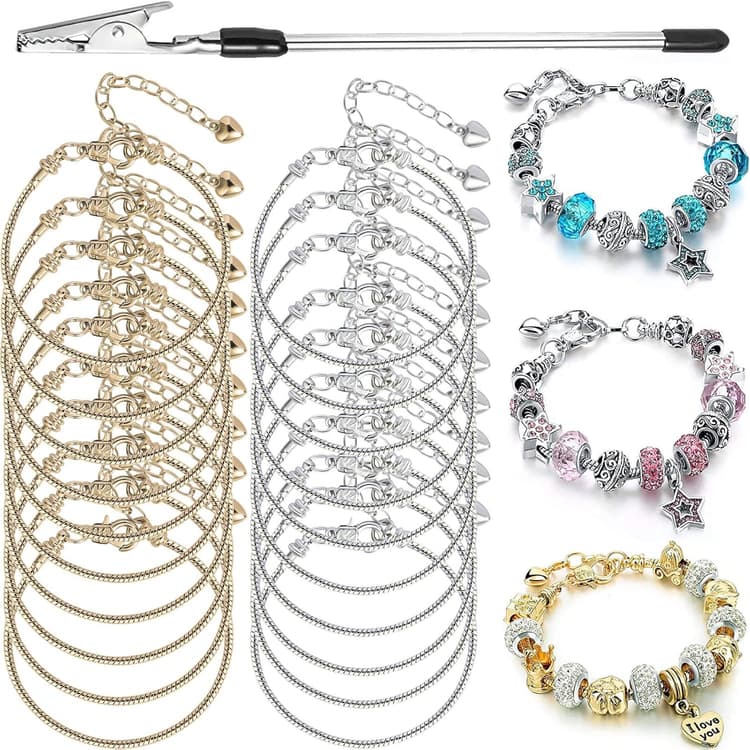
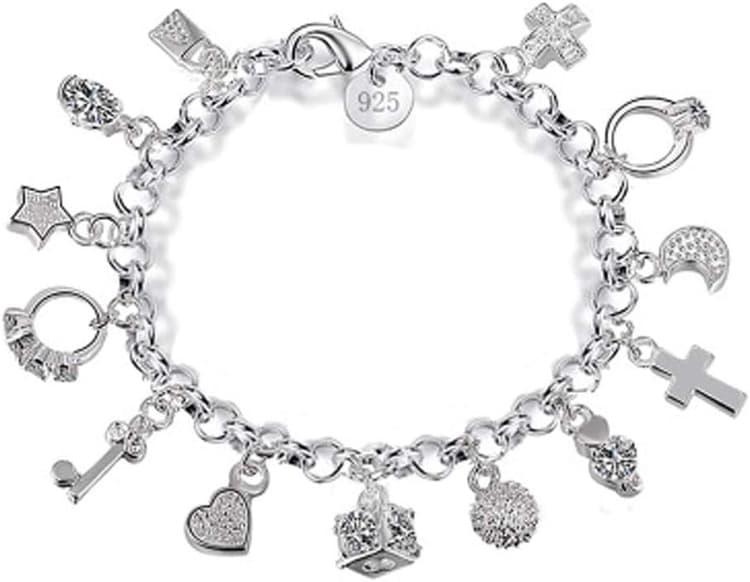
925 Sterling Silver Bracelets for Women Silver Charm Bracelet Jewelry
★★★★☆4
$3.59
$8.99
-60 %
*
Product reviewer and deals editor focused on watches, gemstones, and budget-friendly jewelry picks.

Purpose and what's new in 2026
This guide teaches a step-by-step method to pick a charm bracelet that fits your lifestyle, aesthetic and new 2026 expectations: greater demand for traceability, recycled metals, and modular systems that let you swap charms quickly. Use this guide to translate technical jargon and market signals into practical shopping decisions.
What you'll learn (at a glance)
| Area | Why it matters |
|---|---|
| Use-case & frequency | Determines durability vs. finish priority |
| Sizing & comfort | Prevents snagging and improves wearability |
| Materials & coatings | Balances look, allergy risk and longevity |
| Clasps & attachments | Directly affects security for valuable charms |
| Budget breakdown | Lets you decide where to invest — chain, clasp, or charms |
Quick practical checklist
Why 2026 is different
For further category context see the charm bracelets category and the March 2026 market summary in our Bracelet Market Pulse – Weekly Review (02–08 Mar 2026). These resources help you map advice here to current listings and market signals. Follow the steps in this guide to create a clear buying brief (use, budget, materials, and sizing) before you compare products in-store or online.
Generic
$3.59
$8.99
-60 %
*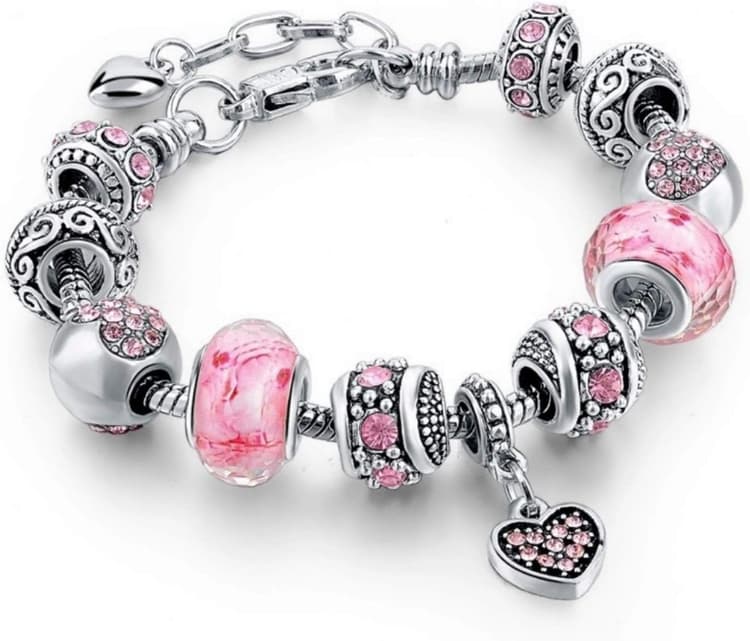
Sowist
$5.39
$8.49
-37 %
*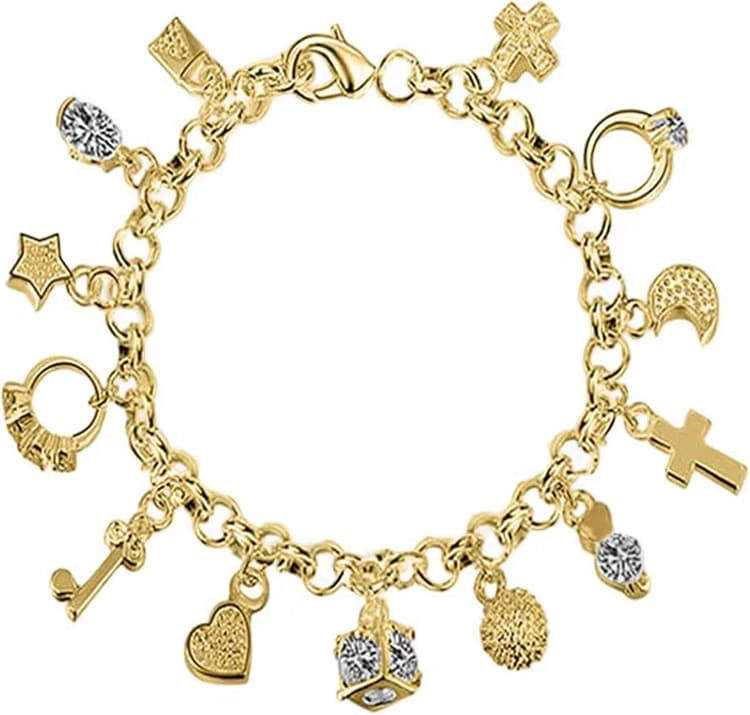
Generic
$6.99
$8.99
-22 %
*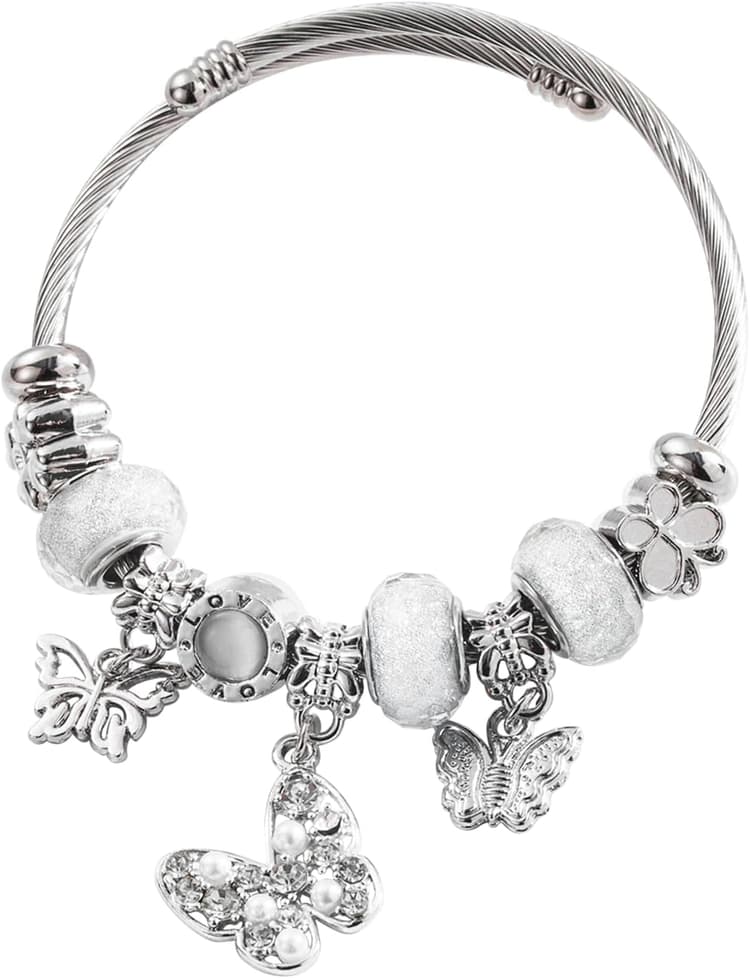
IUULOB
$8.09
$8.99
-10 %
*
RechicGu
$8.00
$8.49
-6 %
*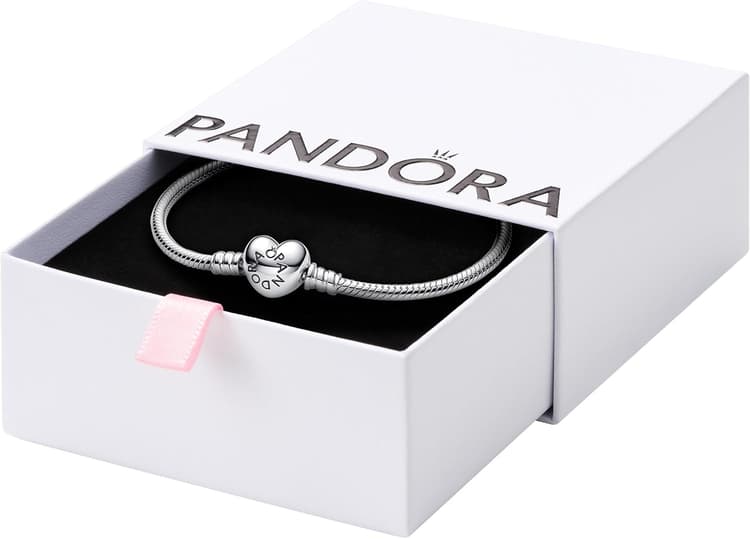
PANDORA
$80.00
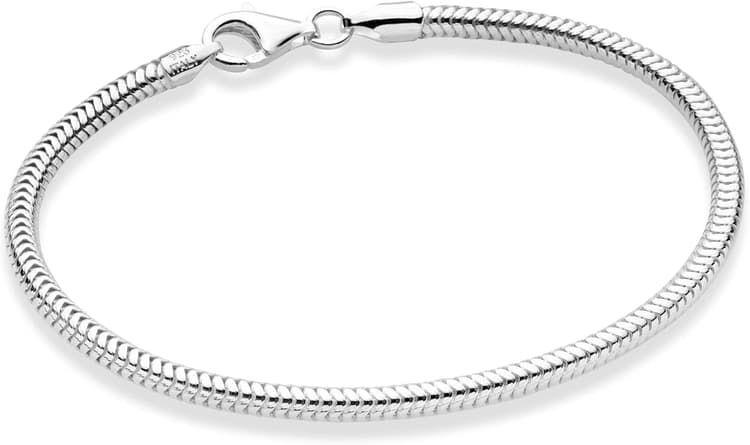
Miabella
$31.90
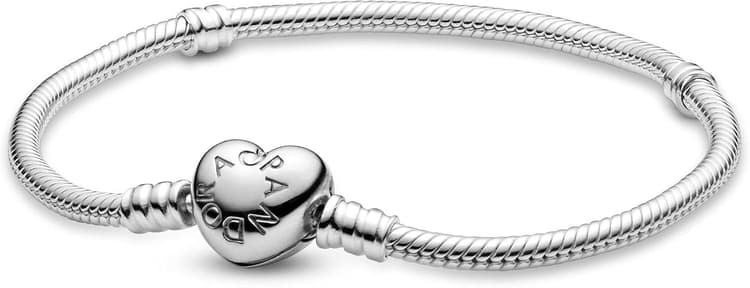
PANDORA
$74.00
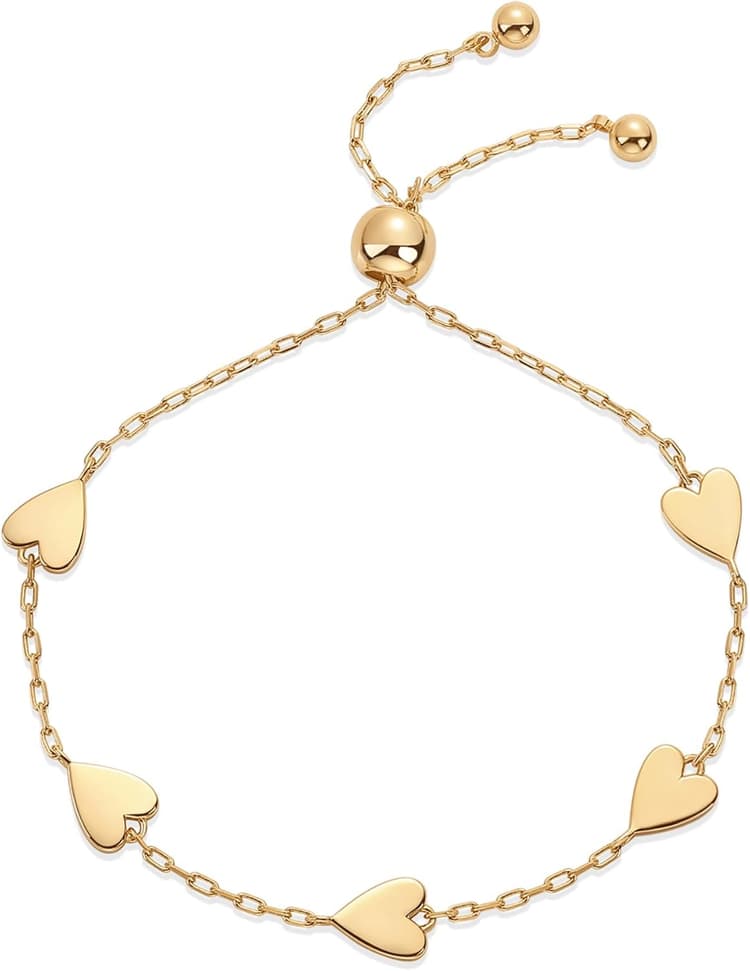
ZYEHXED
$19.90
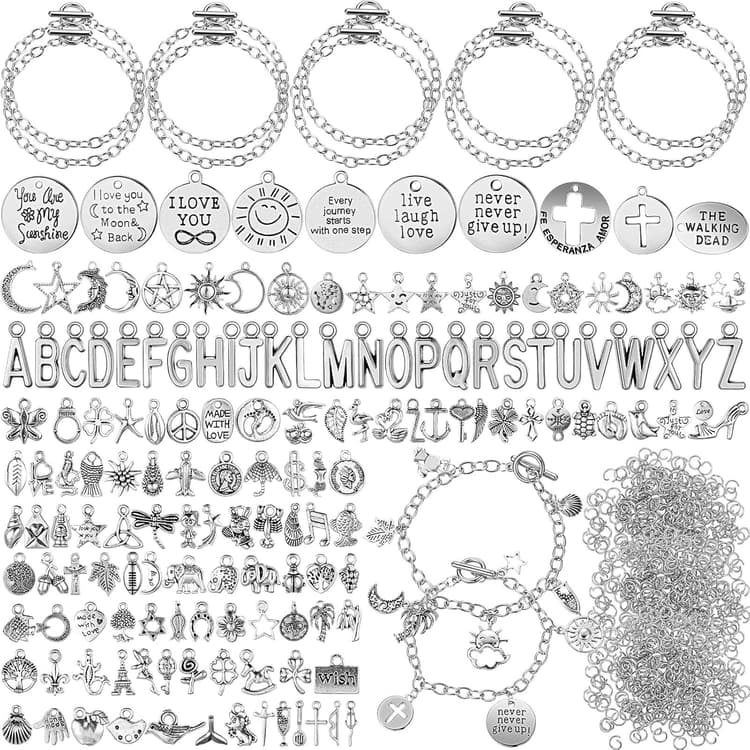
PAVOI
$16.95
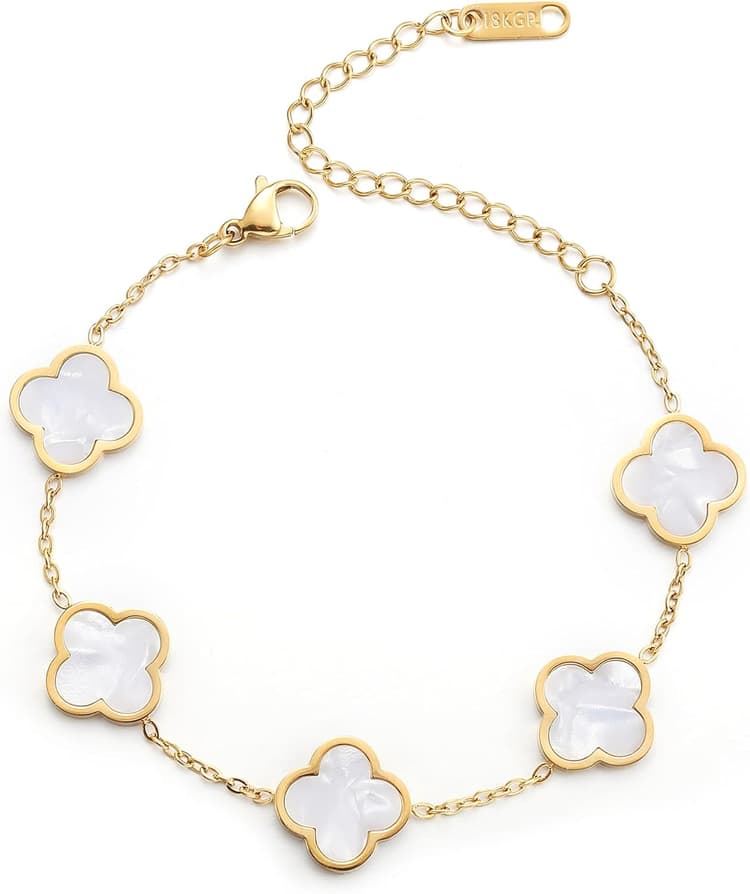
Highergo
$12.99
AIPPK
$12.89
Start by defining why you want a charm bracelet. Make a brief list: occasions (daily wear, work, special events), level of personalization (memory charms, symbolic pieces, decorative), and willingness to maintain the piece. These choices guide your selection of chain, material and clasp.
Practical steps:
Common beginner mistakes: choosing a chain that is too thin because it looks dainty; overlooking the clasp quality; buying charms that don't work well together. To avoid these, mock up the look: attach a few representative charms to a spare string or neutral chain and wear it for a day to test weight and movement.
Concrete example: for a daily bracelet with three meaningful charms and a small pendant, consider a 2.5-3 mm chain in a durable metal and a sturdy spring or lobster clasp. This method helps you set realistic expectations and budget priorities.
How price is built (practical breakdown)
In 2026, the sticker price for a charm bracelet reflects six core components: base metal (or recycled metal), finish thickness (vermeil or PVD), charm complexity (enamel, stones), clasp and fittings, craftsmanship/labor, and traceability/sustainability premiums. Treat the total price as a sum of parts to decide what to prioritise.
Breakdown (typical weight in cost decision)
Interpreting price tiers
Practical decision tips
For hands-on comparisons and curated selections, consult our product perspective in Charm Bracelets - Selection and Practical Guide. Use the cost breakdown table when reading product pages to ask sellers clear questions about metal composition, plating thickness and any traceability statements.
Core material choices and modern coatings
Materials determine appearance, allergy risk and maintenance workload. In 2026, expect wider availability of recycled precious metals, improved PVD and anti-tarnish coatings, and fuller disclosure about alloys. Choose materials according to use-case and tolerance for maintenance.
Main materials & notes
Durability checklist (in-store or from product pages)
Everyday-care & repairability
If you want practical references for silver choices and care, consult our practical picks for silver jewelry at Practical picks for silver jewelry and compare against the broader charm bracelets category. These cross-references help you match material choices to real product listings and 2026 durability expectations.
Correct sizing affects both comfort and look. Too loose a bracelet can snag or slide off; too tight restricts charm movement. The most reliable approach pairs measurement with real-world testing.
Measuring your wrist:
Try it out:
Adjustment options:
Pedagogical tip: keep a size profile (for example wrist 16 cm, preference +2 cm). This makes online shopping easier and reduces returns.
To compare effectively, break each bracelet into functional and visual elements. Here are simple features to inspect and their impact.
Clasps:
Link type and construction:
Charm attachment system:
Weight distribution:
Additional elements:
Comparison method: for each product, make a simple checklist of these categories and score them by priority (security, looks, ease of care). This transforms an emotional choice into a reasoned decision.
How a bracelet performs daily depends on construction and wearer habits. To judge performance, observe its behavior during ordinary activities and apply straightforward care routines.
Practical tests:
Routine care:
Expert-but-accessible tips:
Practical trick: create two configurations—one sturdy and pared-down for daily use, and one decorative set for special occasions. This preserves delicate pieces while keeping your signature style.
PANDORA
$80.00
Miabella
$31.90
PANDORA
$74.00
Sowist
$5.39
$8.49
-37 %
*ZYEHXED
$19.90
PAVOI
$16.95
Highergo
$12.99
RechicGu
$8.00
$8.49
-6 %
*AIPPK
$12.89
SILANER
$9.99
tiggell
$9.99
Aeora
$9.99
Choosing a charm bracelet is straightforward if you use a method: first define use and style, measure your wrist and test fit, then assess materials and technical features. Look at price as a sum of parts (chain, clasp, charms) rather than a single figure.
For everyday wear prioritize security and durability: solid clasp, soldered rings and robust materials. For occasional use, you can lean more toward decorative finishes. Consider modularity if you like to change charms frequently.
Adopt simple care habits and schedule regular checks of weak points (clasp, jump rings). Using these steps lets you compare offers objectively and build a bracelet that balances aesthetic goals with practical constraints. The guide gives you the criteria to ask informed questions and identify quality beyond first impressions.
This guide is a pedagogical resource intended to help you choose a charm bracelet without recommending specific products. Information is based on general jewelry principles: materials, design and ergonomics. No brand names or price figures were invented; guidance is aimed at turning technical criteria into practical decisions. For authentication or repair services consult a qualified professional.
Our guides compare and assess jewelry using objective criteria and expert insight.
We regularly update articles to reflect new releases and recent tests.
We may earn a commission if you buy via our links; this does not influence our editorial selection.
When you click, you are redirected to partner retailers chosen for their reputation.