
Palotay
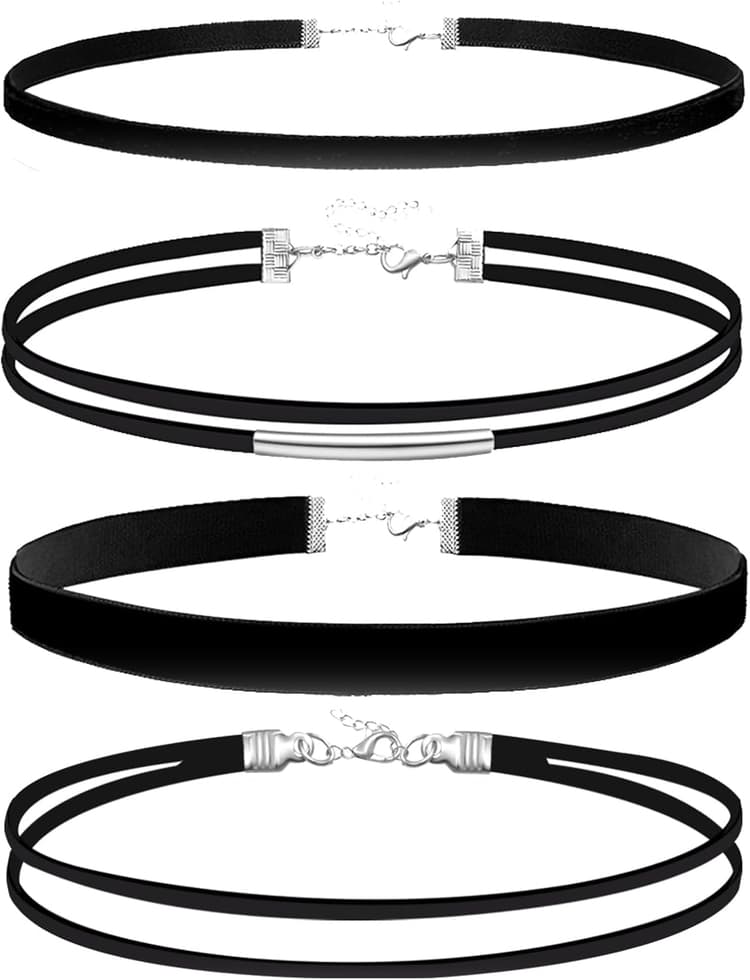
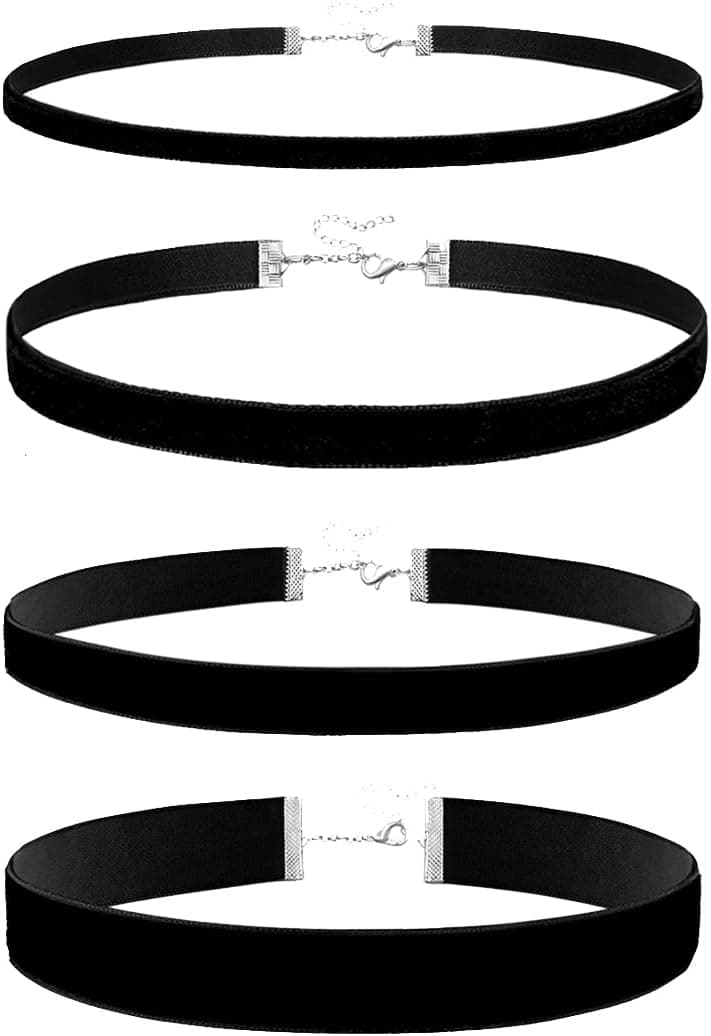
Black Choker Necklace Set Velvet Lace Choker Daisy Gothic Punk Classic Choker
★★★★☆4.1
$4.99
$5.99
-17 %
*
Senior jewelry editor specializing in buying guides, trend reports, and honest reviews.

Purpose & What's Changed (March 2026)
This guide has been refreshed for March 2026 to reflect two clear trends that affect choker purchases today: (1) growing demand for traceability and sustainable sourcing in jewelry, and (2) wider availability of technically improved hypoallergenic finishes and washable materials for everyday wear. Use this updated guide as a practical checklist — not a trend brief — to pick a choker that matches how you live and how often you will wear it.
Key reader outcomes
A quick comparison table
| Shopping goal | Material focus | What to check immediately |
|---|---|---|
| Everyday, sweat-prone | Stainless steel, titanium, silicone | Secure clasp, hypoallergenic label, adjustability |
| Event / occasional | Solid precious metals, pearls | Quality of setting, provenance, plating thickness |
| Budget expressive piece | Plated metal, fabric bands | Plating thickness, backing quality, removable pendants |
Practical links
For category context and curated picks, compare recommended options on our Chokers category page and see editorial selections in Chokers — guide and curated selections.
This update keeps the guide hands-on: each section includes actions you can take in-store (movement test, clasp inspection) and specific expectations for online listings (plating microns, adjustability range). Follow those checkpoints and you'll reduce returns and ensure the choker you buy in 2026 truly fits your life.
Palotay
$4.99
$5.99
-17 %
*
DreamAug
$7.99
$8.99
-11 %
*
K&Q
$19.89
$21.98
-10 %
*
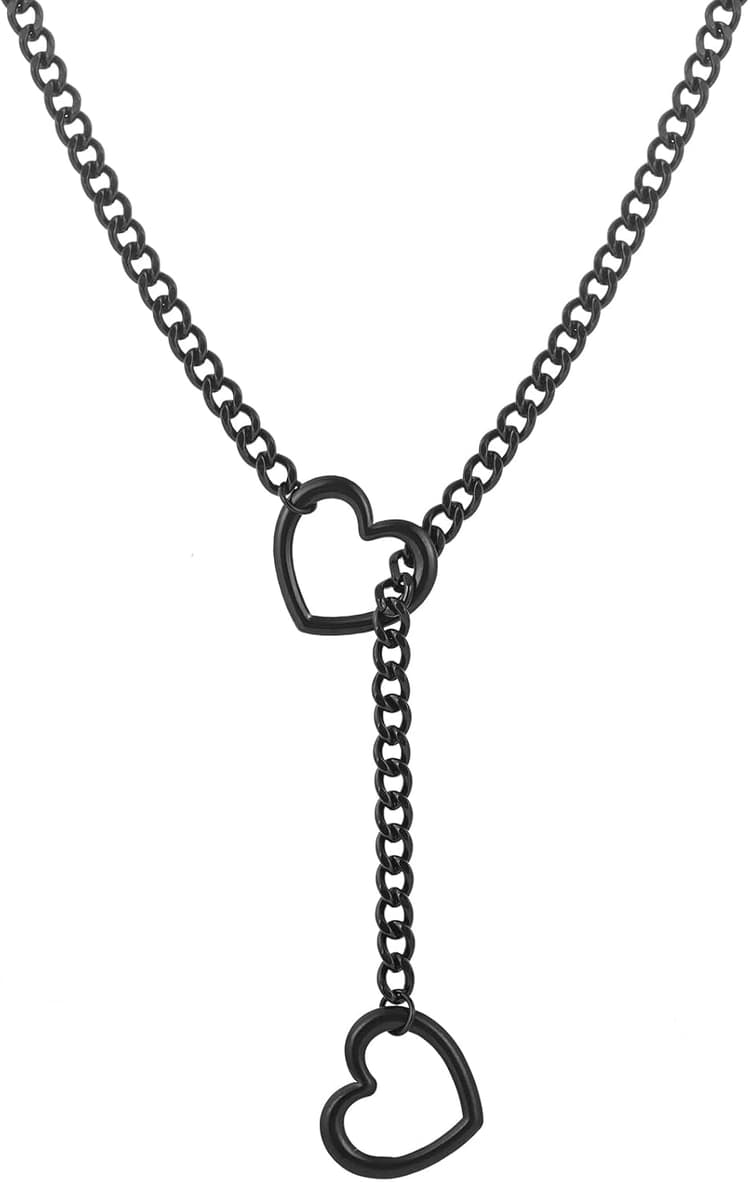
BodyJ4You
$19.99
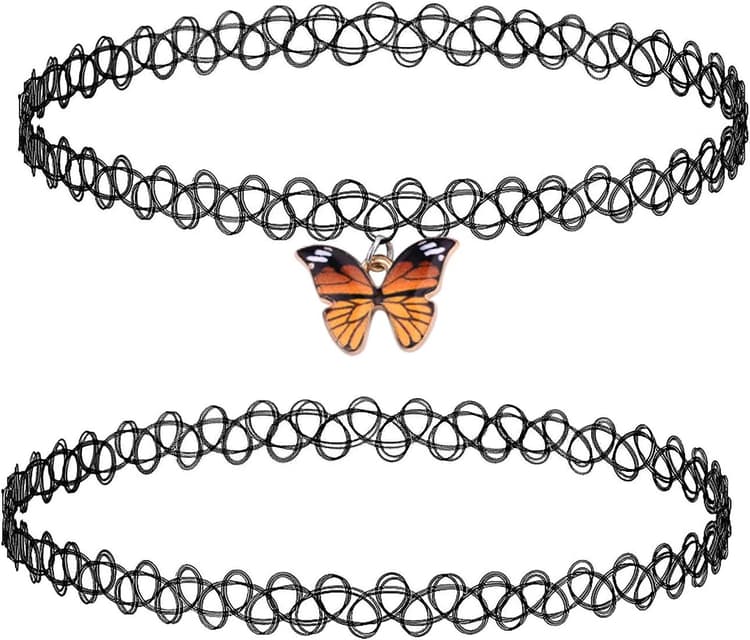
sroyte
$14.99
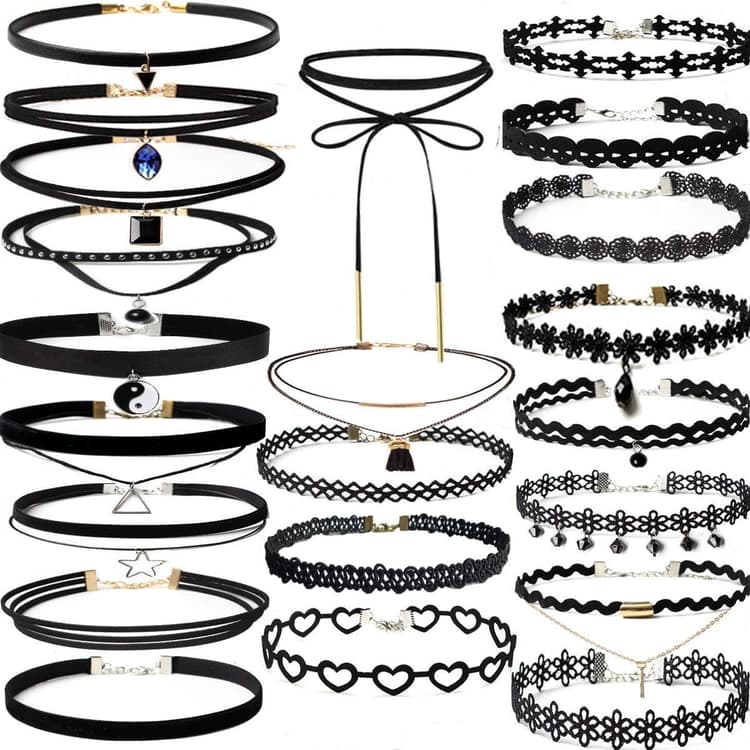
BodyJ4You
$9.99
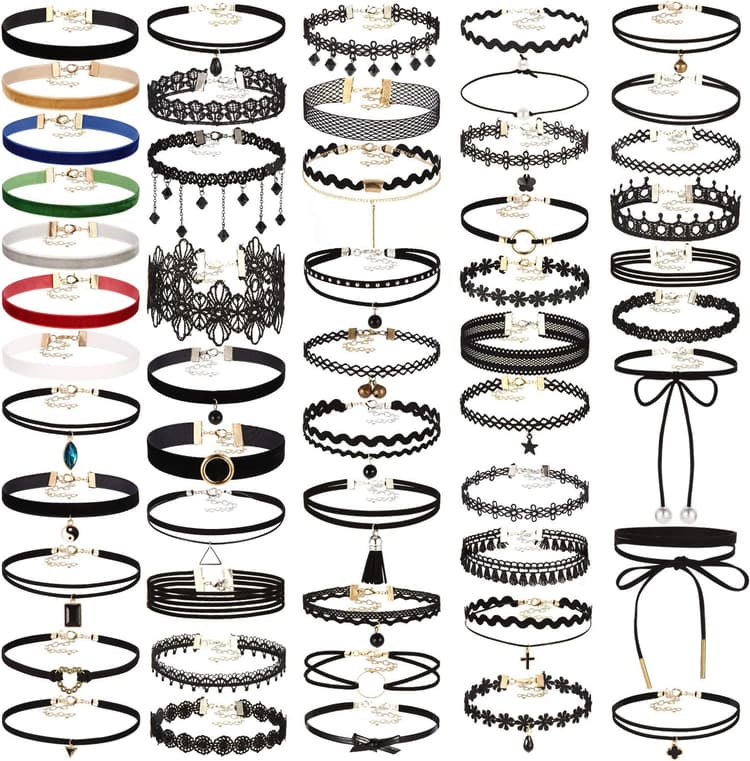
YOKER
$12.99
K&Q
$17.98
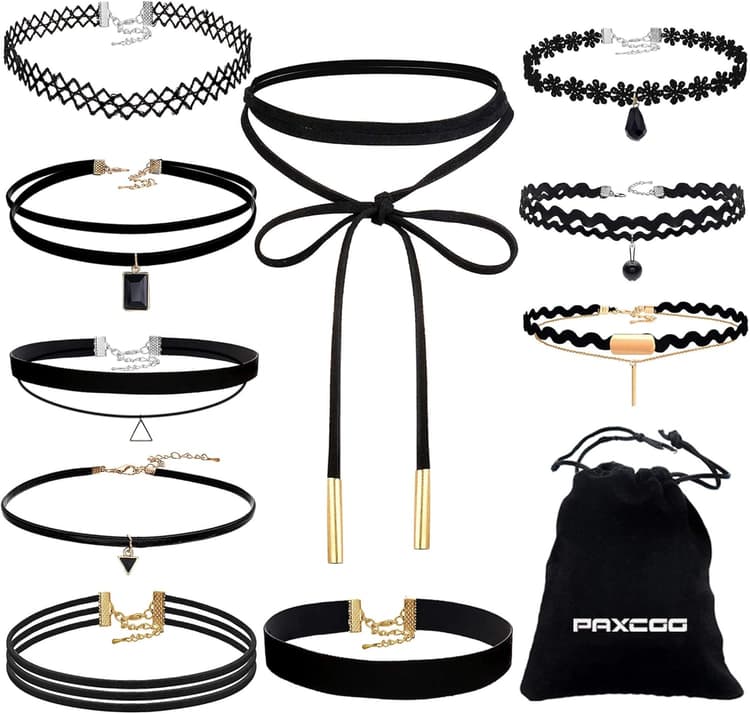
PAXCOO
$8.99
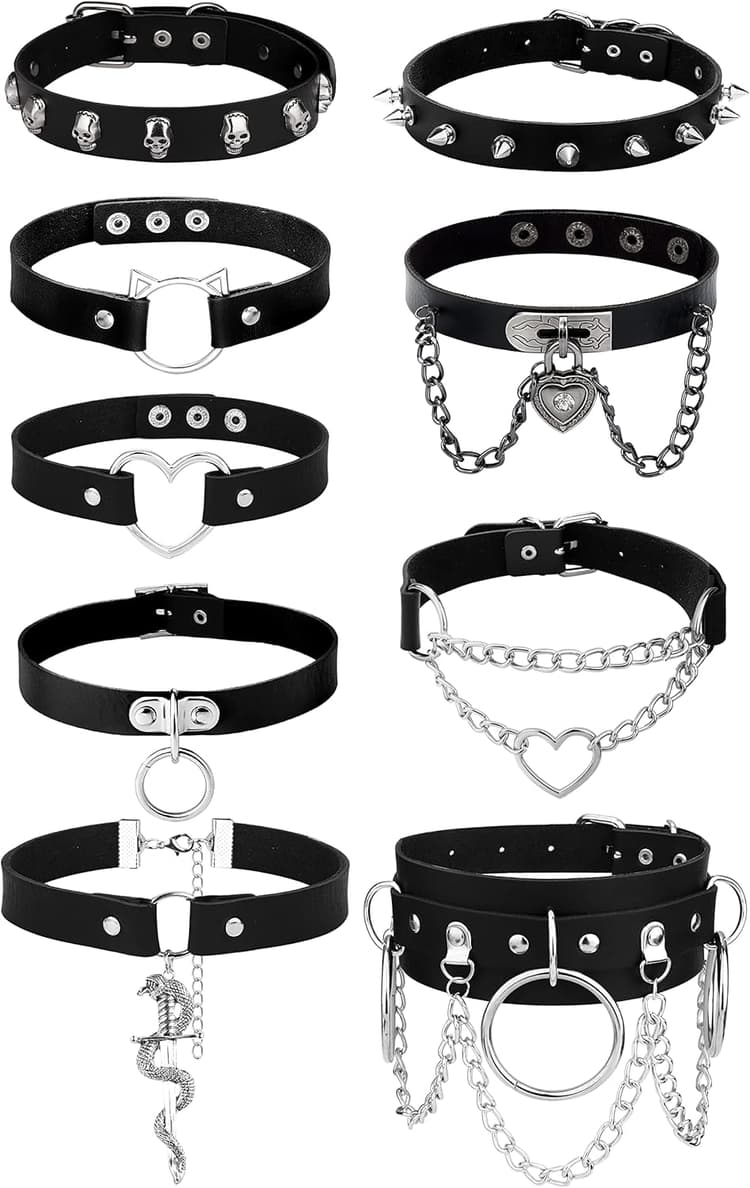
HAIAISO
$19.99
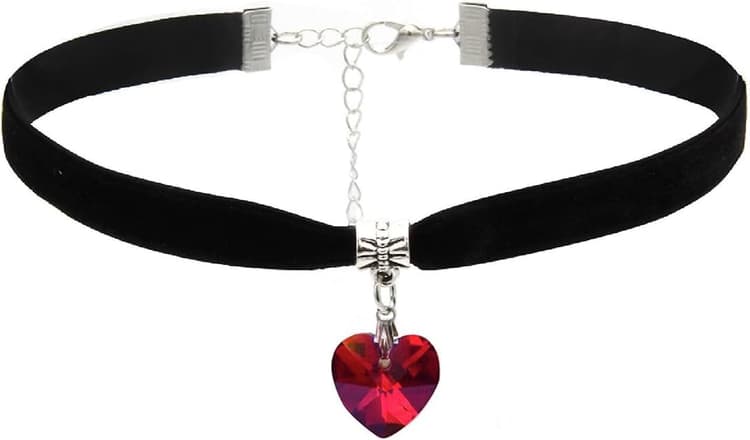
ISCASSE
$5.99
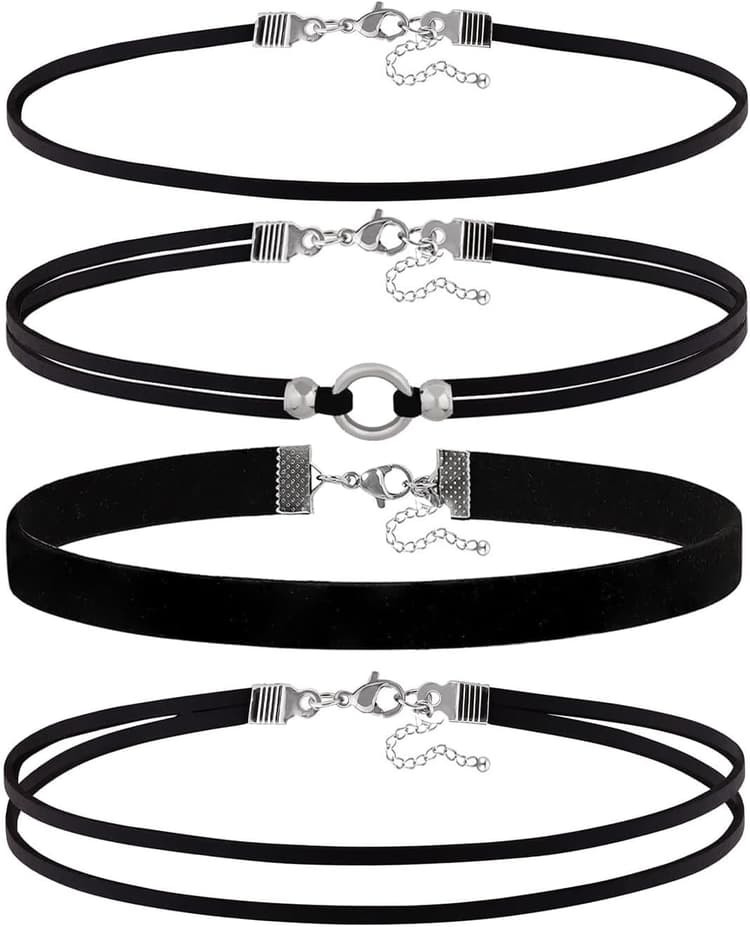
PINCHUAN
$4.57
Start with a practical three-column checklist (2026 edition)
Before you browse, create a small decision matrix that reflects current priorities: daily durability and skin compatibility now sit alongside traceability and cleaning needs. Use a quick three-column table: Use / Comfort / Care, and add a short note for traceability or sustainability where it matters.
What to include in each column
Actionable steps to prioritise
Quick examples
Link & resources
For broader buying frameworks and related guides, see our Necklace Chains - selection and practical advice which helps when chokers integrate chain elements. Choosing with a checklist reduces impulse buys and ensures any choker you keep fits both your style and 2026 expectations for wear and provenance.
Why prices vary — clearer signals in 2026
By March 2026, three price drivers have become clearer for chokers: verified material traceability (certified recycled metals or audited supply chains), improved hypoallergenic surface technologies (multi-layer platings and passivation), and artisanal/handmade work recognition. These factors justify premium pricing beyond raw metal or gemstone cost alone.
Cost-increasing drivers (detailed)
Cost-saving factors to evaluate with caution
Decision grid
| Intended use | Spend guidance | Rationale |
|---|---|---|
| Daily wear & sensitive skin | Invest mid-to-high | Prioritise stainless/titanium/solid precious metals and thicker platings |
| Seasonal/occasional wear | Low-to-mid | Decorative elements and ribbons acceptable if care is manageable |
Practical shopping prompts
Ask sellers: “What is the plating thickness (microns)? Is the metal recycled or certified? Can I replace the clasp?” Prefer listings that mention nickel-free or titanium/stainless composition if you have allergies.
Internal link
For a category-level view and curated picks that reflect these price/quality trade-offs, consult Chokers — guide and curated selections. Making cost decisions with traceability and finish in mind reduces surprises and supports longer product life.
Fit categories and modern comfort checks
Think in three practical fit categories — tight, fitted, relaxed — and use a short series of movement and wear tests. Modern chokers increasingly add extension ranges and engineered backings; test these features deliberately.
Measurement protocol (in-store & at home)
Movement & comfort checklist
Weight, width and visual vs tactile trade-offs
When buying online
Internal link
If you expect the choker to interact with other necklaces, consult our layering advice in Layered Necklaces - selections and buying tips to plan spacing and adjustability. Use these steps to ensure fit, not just size numbers: comfort matters more than a nominal length on the product page.
Material overview with 2026 considerations
Material choice now often includes an added axis: traceability and repairability. Below is a practical comparison you can apply when weighing an item against your checklist.
Table: Materials at a glance
| Material | Strengths | Limitations | 2026 note |
|---|---|---|---|
| Stainless steel | Durable, low maintenance, hypoallergenic | Heavier visually | Often best for daily wear and low care |
| Titanium | Extremely hypoallergenic, light | More expensive | Excellent for sensitive skin and longevity |
| Solid gold / silver | Long-lasting, collectible | Costly, requires polishing | Prefer certified recycled where possible |
| Gold/silver plating (vermeil, PVD) | Affordable look | Wear over time; variable longevity | Check micron thickness and PVD specs |
| Velvet / satin | Comfortable, elegant | Sensitive to water and makeup | Prefer detachable or washable options |
| Leather & faux leather | Structured look | Can react to moisture or crack | Choose vegetable-tanned or high-quality faux for durability |
| Silicone / polymers | Waterproof, washable, flexible | Fashion-forward aesthetic | Great for active lifestyles and humidity-prone wear |
| Beads & pearls | Expressive | Fragile mountings, maintenance | Ask about mounting method and pearl origin |
Care tips by material
Internal link
For deeper metal care and selection guidance, see Practical picks for silver jewelry or our category overview for Chokers. Selecting materials with repairable joins and traceable origins increases longevity and resale value in 2026.
Technical checks that matter in real life (2026)
When two chokers look alike, these technical details determine which one will last and feel better. Inspect closures, adjustability, soldering, backing and weight distribution.
Practical inspection checklist
Small repairs and long-term serviceability
Decision prompts in-store & online
Internal link
For an adjacent overview of chain construction and clasp types, visit Necklace Chains - selection and practical advice. Use this checklist to prioritise technical resilience over purely visual appeal — it reduces returns and keeps the choker wearable over seasons.
Wearability & maintenance — what's best in daily life
Everyday performance is the combination of how a choker tolerates movement and moisture and how easy it is to maintain. In 2026, many accessible finishes (PVD, thicker vermeil) and washable polymers mean you can buy chokers that match more active lifestyles.
Top beginner mistakes (and fixes)
Simple expert tips anyone can use
Quick troubleshooting table
| Problem | Likely cause | Easy fix |
|---|---|---|
| Rubbing at throat | Wrong backing or too-tight fit | Add soft backing or size up one notch |
| Tarnish on metal | Thin plating or exposure | Gentle polish; consider replating if sentimental |
| Clasp slips | Weak spring or worn ring | Replace clasp / reinforce jump ring |
Internal link
For curated durable picks and editor-tested options that suit everyday wear, consult Chokers — guide and curated selections. With these checks and a short maintenance routine you keep both comfort and style without compromise.
BodyJ4You
$19.99
sroyte
$14.99
BodyJ4You
$9.99
K&Q
$19.89
$21.98
-10 %
*YOKER
$12.99
K&Q
$17.98
PAXCOO
$8.99
HAIAISO
$19.99
ISCASSE
$5.99
PINCHUAN
$4.57
Palotay
$4.99
$5.99
-17 %
*
yfstyle
$5.89
Three priorities + three final checks
When you’re ready to buy, use this short final routine shaped for 2026 expectations: Confirm priorities, validate technical specs, and ensure aftercare matches your lifestyle. The aim is to avoid returns and ensure long-term satisfaction.
Three priorities to confirm
Three final checks before purchase
Quick one-page decision table
| Outcome wanted | Buy if | Reconsider if |
|---|---|---|
| Everyday comfort | Soft backing, stainless/titanium, adjustable | Non-adjustable, unclear metal composition |
| Statement occasional piece | Solid precious or high-quality plated, proven setting | Weak soldering, glued elements |
| Sports / active use | Silicone or fully metallic with secure clasp | Fabric-only bands without waterproofing |
Internal link
If you need curated, editorially-tested options for these outcomes, see our Chokers — guide and curated selections. Follow this final checklist and you’ll make a purchase that suits both your style and the practical demands of 2026 life.
Editorial stance and disclosures (March 2026)
This guide is produced to deliver objective, practical buying criteria. Our editorial method favours verifiable technical checks (measurements, plating thickness, clasp construction) and real-world tests (movement, fastening, wear). Where subjective opinions appear (comfort, style), they are clearly framed as recommendations to validate personally.
Transparency checklist for publication contexts
How to read this guide
Internal link
For transparent editor-selected products and curated deals, see our hub: Top Products — Chokers. If this guide appears alongside retail offerings, any affiliate or commercial tie will be stated clearly so readers can evaluate recommendations with full context.
Our guides compare and assess jewelry using objective criteria and expert insight.
We regularly update articles to reflect new releases and recent tests.
We may earn a commission if you buy via our links; this does not influence our editorial selection.
When you click, you are redirected to partner retailers chosen for their reputation.