
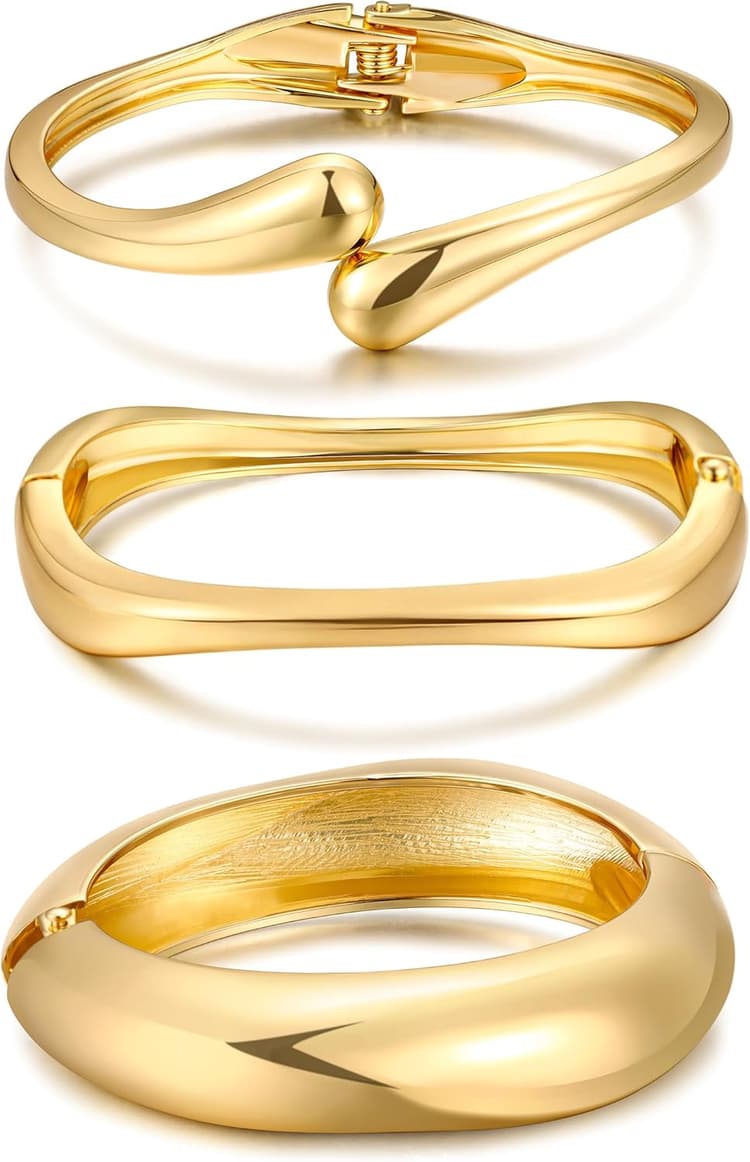
iF YOU
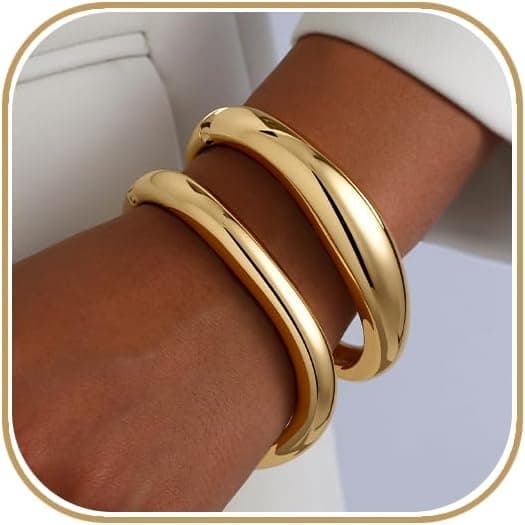
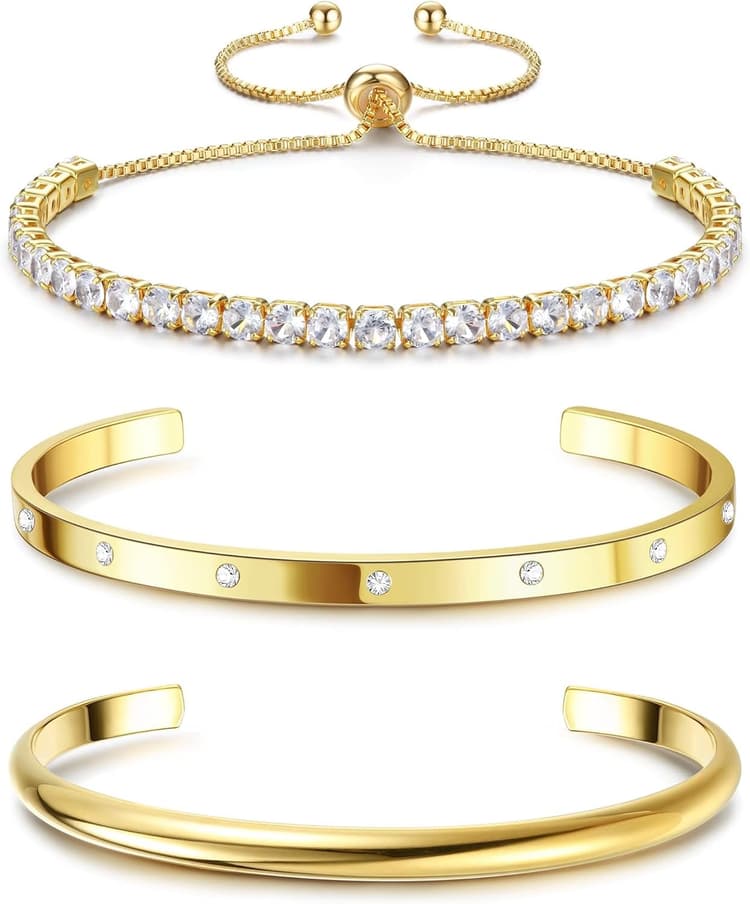
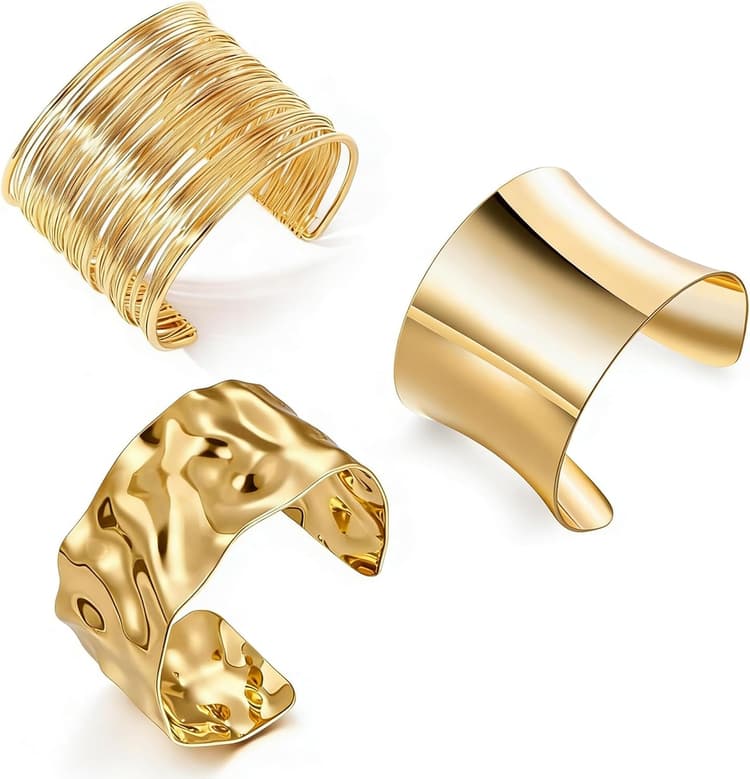
Chunky Gold Bangle Bracelets for Women, Dainty 14k Gold Plated Big Stackable Bangles Set, Trendy Statement Cuff Bracelet Stack Fashion Jewelry Gifts
★★★★☆4.5
$13.99
$17.99
-22 %
*
Senior jewelry editor specializing in buying guides, trend reports, and honest reviews.

Why this guide was refreshed in March 2026
This guide is focused on actionable, modern advice to help you choose a cuff bracelet that fits how you actually live in 2026: consider commuting patterns, hybrid workdays, increased attention to material traceability and tougher expectations for coatings (PVD and improved anti-tarnish treatments). The editorial priorities remain: comfort, durability, and value over time, but with added emphasis on resilience to everyday tech (smartphones, public transport) and sustainable sourcing expectations.
How to use the guide — quick workflow
| Step | What to do | Why it matters |
|---|---|---|
| 1 | Define when & how often you’ll wear it | Narrows material & width options quickly |
| 2 | Measure wrist & palm | Prevents returns and sizing surprises |
| 3 | Inspect finish & joints | Detects weak points before purchase |
| 4 | Run simple in-store tests (movement, edge feel) | Predicts daily comfort |
Practical layout
Editorial note: the guide deliberately avoids brand endorsements to remain evergreen but points you to category-level references so you can compare offerings. For broader category context, consult our Cuff Bracelets category or current market snapshots like the March briefs summarizing bracelet trends and coatings advancements in 2026 (see curated weekly reports).
What you’ll be able to do after reading: create a one-page buying brief (occasion, frequency, maintenance tolerance, size limits) that reduces comparison time and returns. The following sections give the tests and language you need to evaluate listings and in-store samples with confidence.
iF YOU
$13.99
$17.99
-22 %
*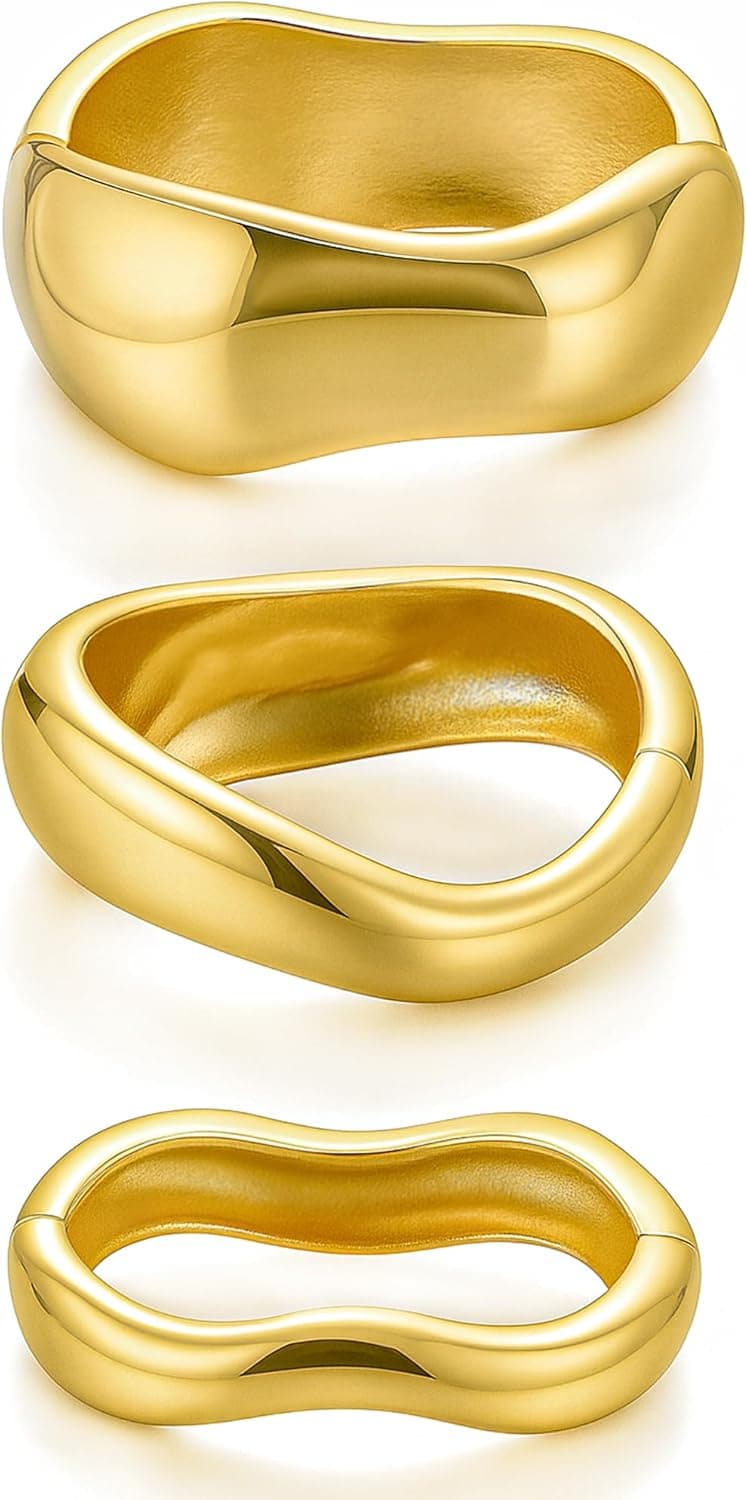
Pls Back
$13.96
$17.98
-22 %
*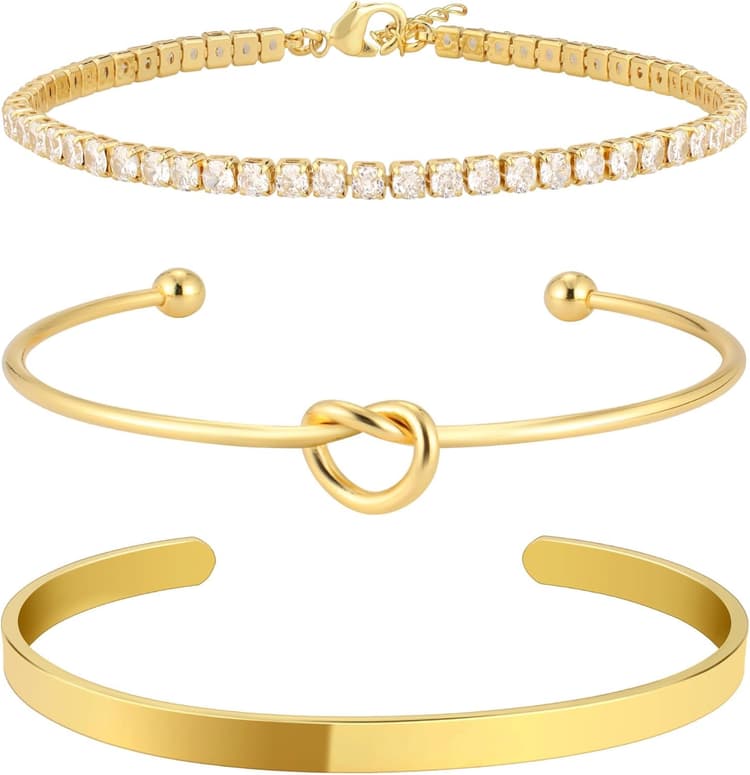
Zalcon
$7.99
$9.99
-20 %
*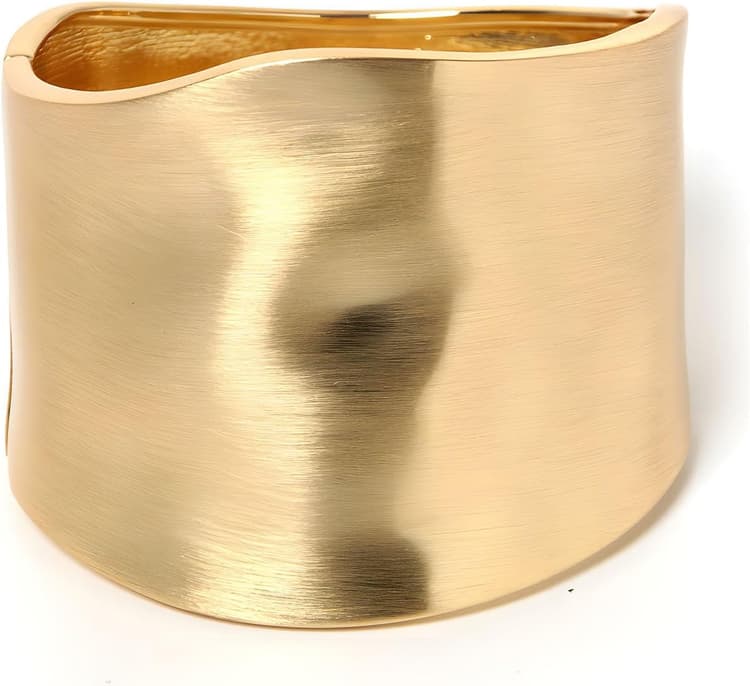
YBMYCM
$9.59
$11.99
-20 %
*
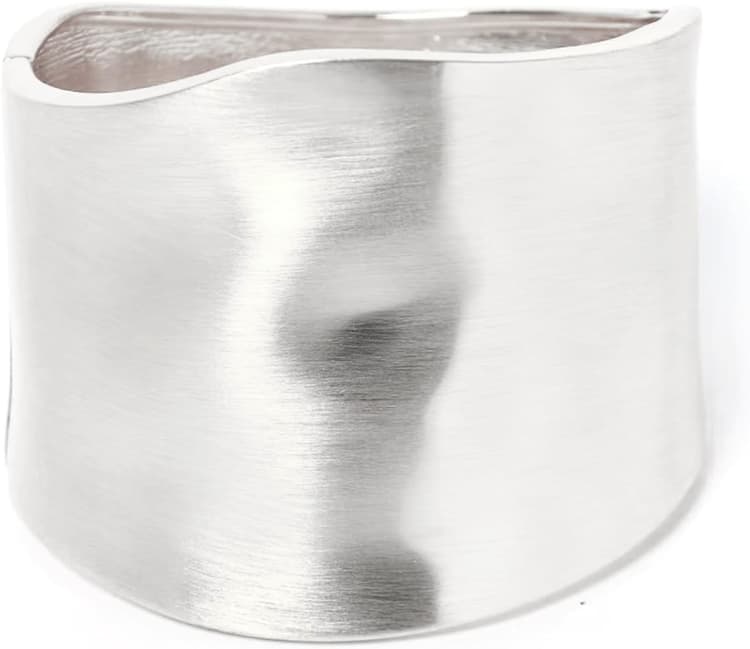
AYWFCBF
$12.99
$15.99
-19 %
*
AYWFCBF
$13.99
$15.99
-13 %
*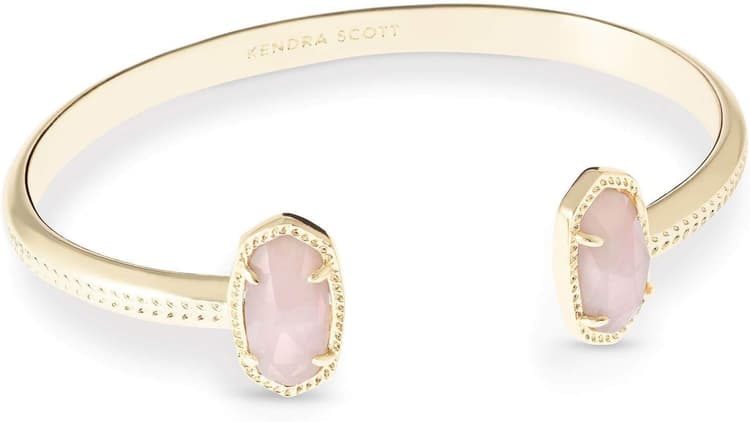
Kendra Scott
$65.00
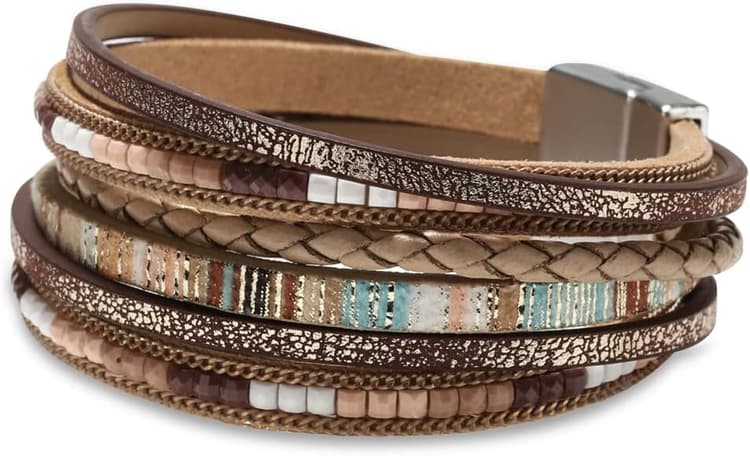
Fesciory
$12.99
Fansilver
$9.99
Abiotp
$13.95
RIOSO
$12.99
Gokeey
$15.98
Start with a compact buying brief — three questions cut your options fast: When will you wear it, how often, and what style do you want? In 2026 many buyers split use between remote days and public commuting; this hybrid pattern favors slim, snag‑resistant cuffs with durable finishes. Use the checklist below to translate lifestyle into technical choices.
Checklist (practical outputs)
Translate into selection rules
Why these choices matter
In-store and online actions
Link & context: for a quick category comparison and to benchmark typical 2026 finishes, consult our Cuff Bracelets category and recent market summaries that highlight coating trends.
This method reduces the search set immediately and puts you in a position to compare measurable attributes rather than marketing language.
Price reflects material, labor, finish, and supply-chain context. In 2026 two factors are increasingly visible to buyers: higher consumer demand for traceability (responsible sourcing) and growing adoption of durable coatings such as PVD that change lifetime cost calculations. Use this practical rubric to evaluate value rather than sticker shock.
Cost drivers — quick rubric
Practical checks to compare listings
A simple value table
| Indicator | What to expect | Buyer takeaway |
|---|---|---|
| Solid metal + visible weight | Higher price, longer wear | Good long-term value for daily wear |
| Thin plating + low weight | Low price, high wear risk | Accept only for occasional use |
| PVD / anti-corrosion treatment | Mid‑to‑high price, less maintenance | Prefer for everyday pieces |
Market context (Mar 2026): small independent studios often charge more but provide traceability and repair options; mass-produced lines can offer budget options with predictable wear patterns. For context and trend reporting on bracelet finishes and market movements, consult our 2026 bracelet market summaries and reviews.
Translating price into expected lifespan and maintenance cost is the fastest way to judge whether a higher upfront price is justified.
Accurate sizing is the single best way to avoid returns. Use a flexible tape or paper strip to measure the narrowest part of your wrist; record the circumference and the width of your palm at the base of the fingers if the cuff must slide over your hand. In 2026, many cuffs are offered with explicit opening ranges — treat those numbers as essential data.
Sizing rules of thumb
Comfort features to prioritise
In-store fit tests (practical)
Decision matrix (short)
Tip for online buying: ask for interior diameter, opening width and a profile photo showing inner edge. Sellers that publish these three measurements reduce the likelihood of sizing errors. For comparative browsing across typical 2026 models and measured specs consult our cuff category listings to validate typical opening ranges.
Sizing well once saves both time and money; combine simple measurements with the fit tests above before committing.
Material choice defines performance and maintenance. In 2026 buyers expect clear labelling (alloy grade, coating type, leather origin) and descriptions of expected wear. Below is a practical guide to common materials and finishes, and how they behave in daily use.
Materials at a glance
Leather & organic materials
Durability checkpoints (inspect these)
Maintenance in practice
Quick decision table
| Need | Recommended material/finish |
|---|---|
| Daily commuter, low-maintenance | 316L stainless steel or PVD-coated stainless |
| Sensitive skin | Titanium or high-karat solid gold |
| Statement piece, occasional wear | Sterling silver or gold with decorative work |
For category ranges and examples of PVD adoption across current collections, consult our cuff category and recent market briefs that note coating trends in 2026. Choosing the right combination of base metal and finish reduces visible wear and lowers long-term maintenance burden.
Compare measurable features, not marketing claims. When comparing models, focus on width, thickness, opening type, weight, finish and interior profile. Below are clear, repeatable tests you can run in-store (or request photos/videos for online purchases) to judge real-world performance.
Feature checklist (direct measurements)
Everyday performance tests
Comparative table for buyers
| Feature | What to observe | Effect on day-to-day use |
|---|---|---|
| Narrow width (6–12 mm) | Less interference with sleeves | Better for commuting/office |
| Wide width (>20 mm) | Statement look, reduced flex | May limit wrist motion |
| Thick gauge | More rigid and durable | Heavier, can fatigue wrist |
| Hinged closure | Easier to wear | Higher mechanical complexity |
Compatibility & wardrobe note
Link & context: for reference examples and to benchmark feature sets across typical 2026 models, consult our cuff category listings and recent bracelet trend summaries — these help translate measurements into realistic expectations.
Objective, repeatable tests let you compare items across sellers and reduce the role of decorative marketing in your decision.
Beginners often make repeatable mistakes that lead to discomfort or quick wear. Updated advice for 2026 focuses on measurement discipline, verifying finish technology (PVD vs plating), and recognising the signs of poor assembly.
Top beginner mistakes
Practical expert tips (actionable)
Quick testing protocol before purchase
Maintenance shortcuts that matter
Decision heuristic when between sizes
Reference & context: when assessing listings, use measurable cues and insist on material transparency. For broader trend context (coating adoption and studio vs mass production trade-offs) consult the latest bracelet market briefs to see how sellers are labelling finishes in 2026.
Follow these steps and you'll avoid the most common mistakes while buying a cuff that lasts.
Kendra Scott
$65.00
iF YOU
$13.99
$17.99
-22 %
*Fesciory
$12.99
AYWFCBF
$13.99
$15.99
-13 %
*Zalcon
$7.99
$9.99
-20 %
*Fansilver
$9.99
Abiotp
$13.95
Pls Back
$13.96
$17.98
-22 %
*YBMYCM
$9.59
$11.99
-20 %
*RIOSO
$12.99
AYWFCBF
$12.99
$15.99
-19 %
*Gokeey
$15.98
Short summary — what to prioritise and simple actions
Selecting a cuff is about balancing three priorities: comfort, longevity, and suitability for your routine. In March 2026, pay special attention to finish type (PVD vs plating), transparent material labelling, and clear sizing data. Follow this concise decision flow and you’ll reduce returns and post‑purchase disappointment.
Decision flow (4 steps)
Quick-care rules to extend life
Checklist before checkout
Where to look for reliable comparisons
Following these steps will help you choose a cuff that matches your style and daily needs while minimising surprises. Make the measurements, demand clear specifications, and prioritise finishes designed for the life you intend to lead with the piece.
Our guides compare and assess jewelry using objective criteria and expert insight.
We regularly update articles to reflect new releases and recent tests.
We may earn a commission if you buy via our links; this does not influence our editorial selection.
When you click, you are redirected to partner retailers chosen for their reputation.