
Altitude Boutique
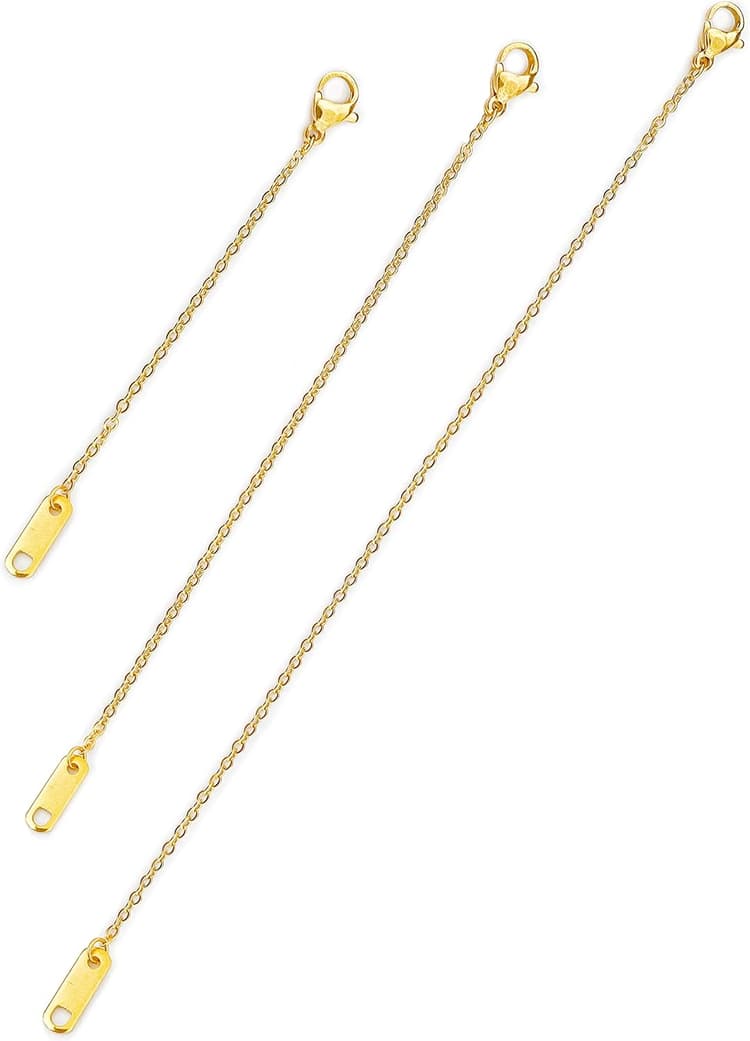
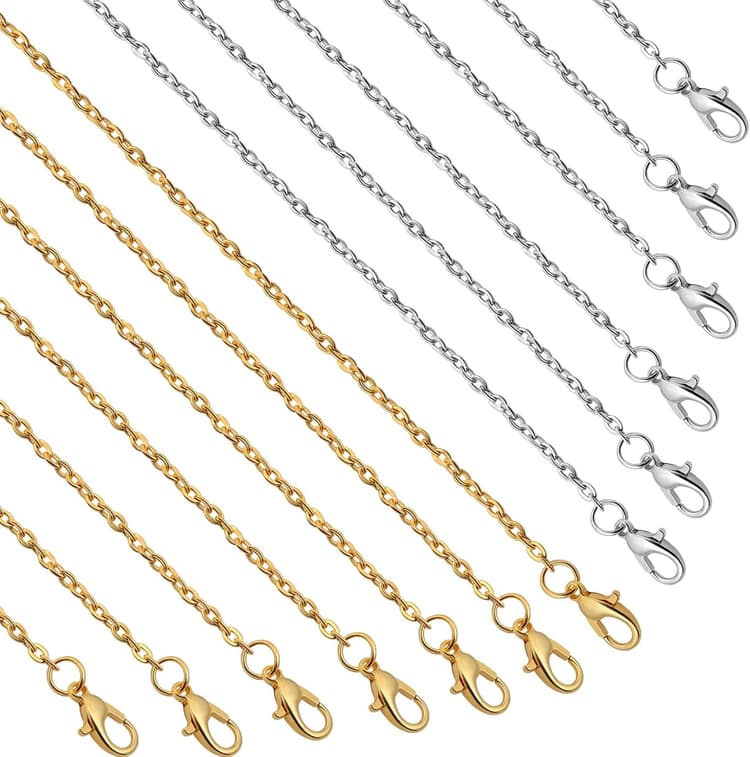
Altitude Boutique 18k Gold Plated Necklace Extenders Delicate Necklace Extender Chain Set for Women 3 Piece Set, Extensions 2", 4", 6" Inches Hypoallergenic in Gold, Rose Gold, or Silver
★★★★☆4.5
$9.99
$14.99
-33 %
*
Product reviewer and deals editor focused on watches, gemstones, and budget-friendly jewelry picks.

Purpose & scope — March 2026 update
This guide is a practical, hands-on primer for anyone buying a necklace chain today: from daily-wear staples to seasonal fashion pieces. In 2026 the market shows continued demand for durable, traceable materials (316L stainless, 14K gold, verified vermeil) and clearer labelling — this update explains how to translate those labels into decisions. Use the guide like a checklist: define the use case, measure, test, compare and document before you buy.
How to use this document (quick workflow)
Practical features you'll find in the rest of the guide
| Section | What it helps you do |
|---|---|
| Materials & durability | Choose metals for water, sweat and skin sensitivity |
| Lengths & fit | Visualise placement with exact cm/inches |
| Price drivers | Understand where to invest (weight, purity, craftsmanship) |
| Tests to run | Quick in-store checks to avoid early failures |
For direct, comparative picks and further reading consult our curated chain selections: see Necklace Chains - Selection and Practical Advice (en) or Chaînes pour colliers - sélection et conseils (fr). Use this guide as a repeatable checklist: each time you shop, repeat the same measurements and tests so you can objectively compare options across stores and online listings.
This pedagogical approach (measure → simulate → test → compare) reflects March 2026 marketplace expectations: clearer labeling, traceability questions, and a shift toward materials proven for everyday resistance.
Altitude Boutique
$9.99
$14.99
-33 %
*
Tudomro
$13.99
$14.99
-7 %
*
salbsever
$6.49
$6.99
-7 %
*
DHOOZ
$6.59
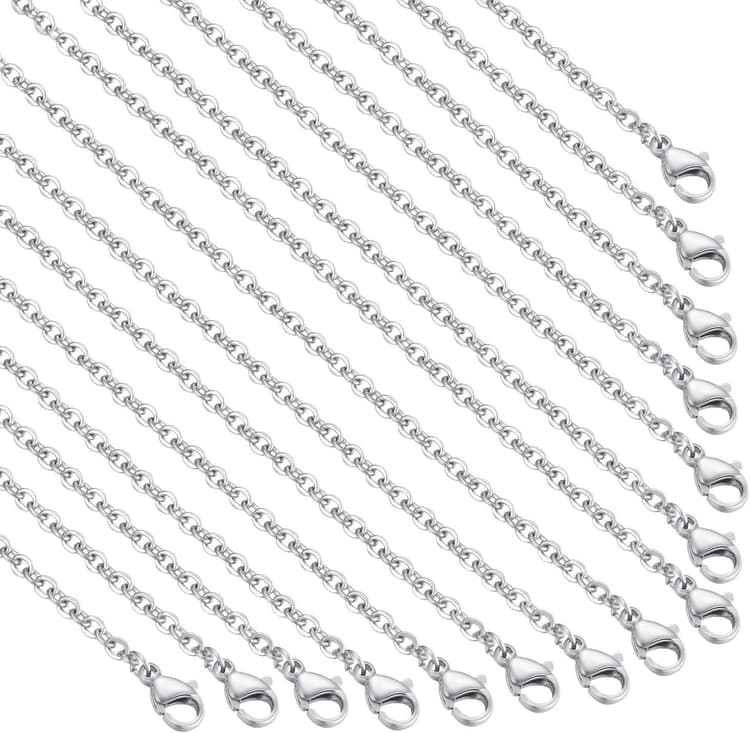
TOSCALINA
$14.99
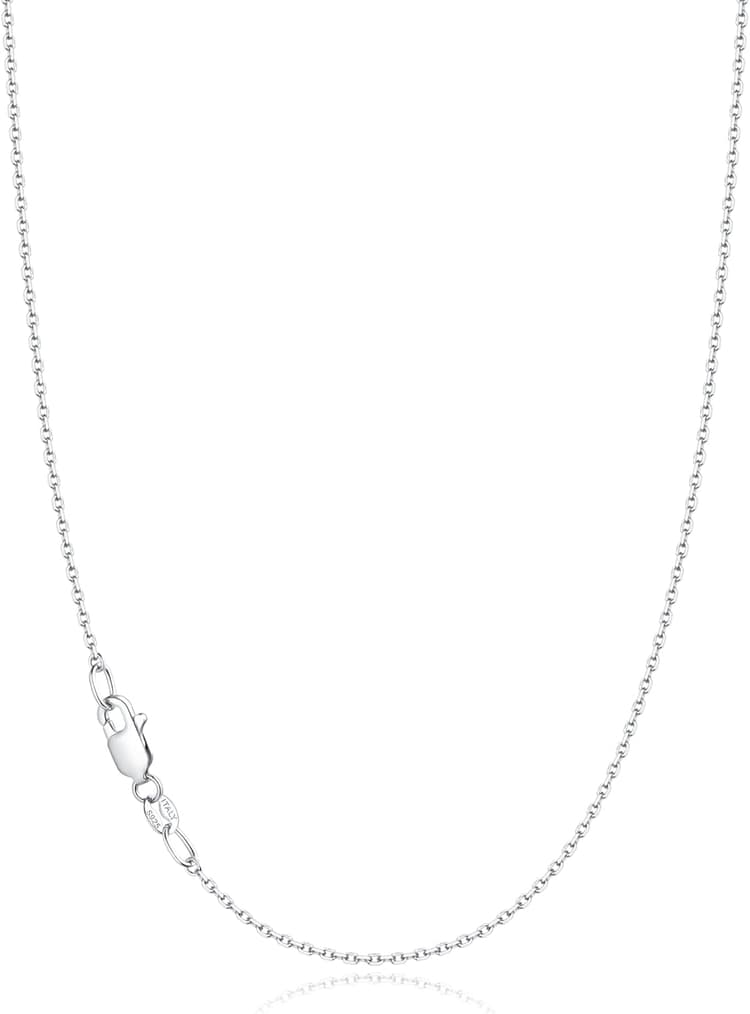
Jewlpire
$18.99
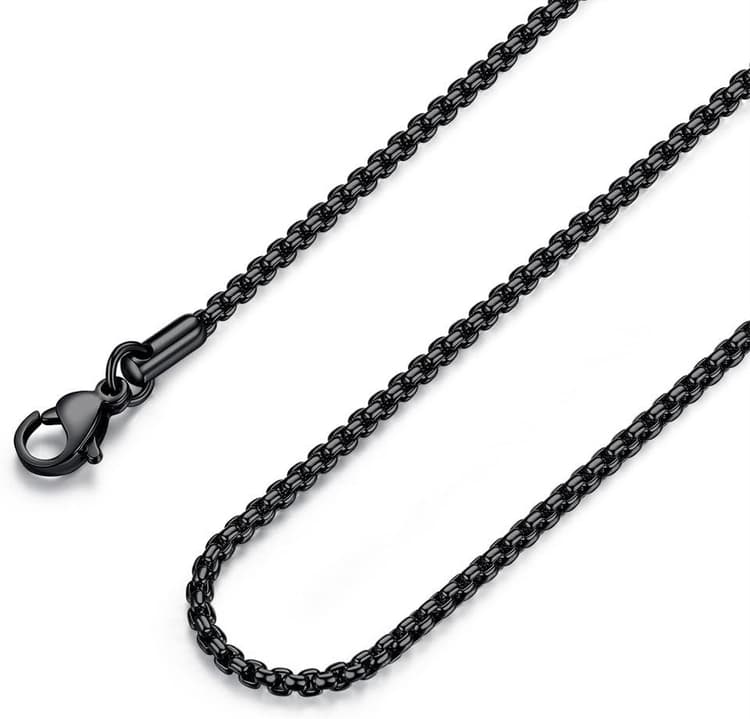
FOSIR
$9.99
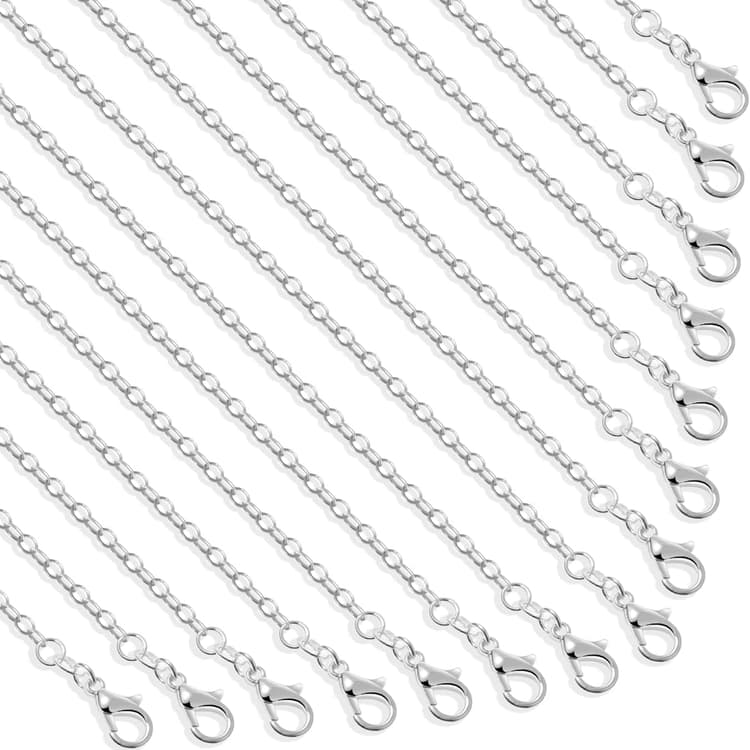
selizo
$9.99
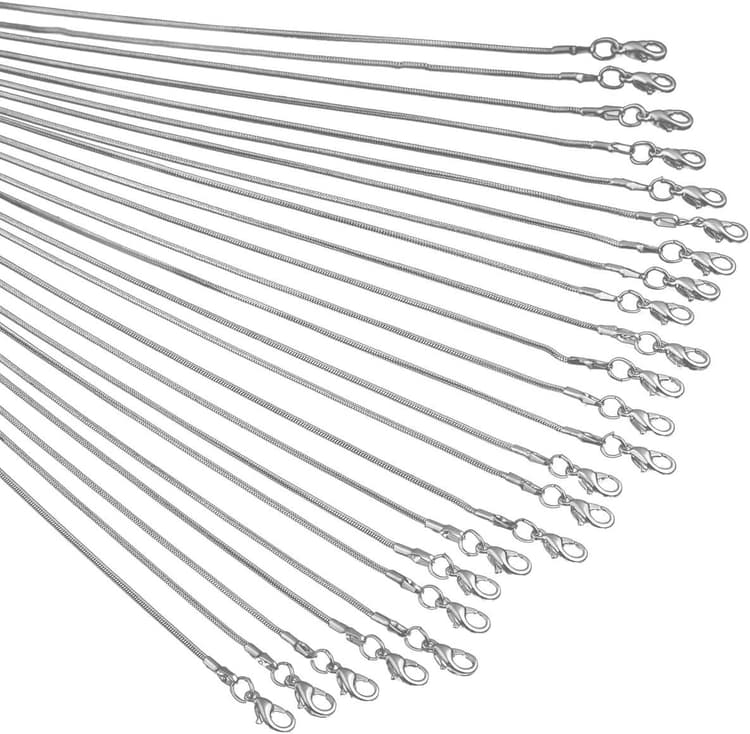
Cmidy
$12.99
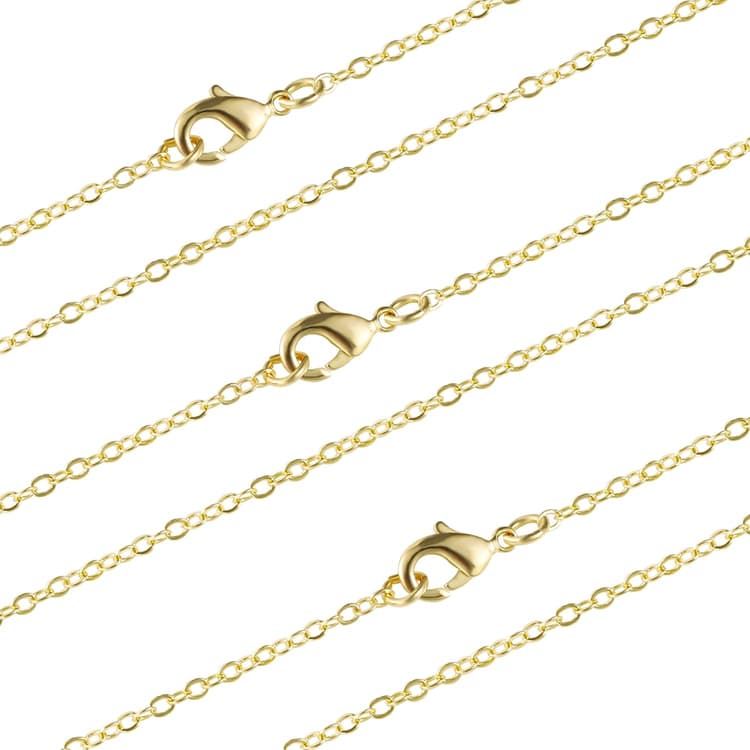
ALEXCRAFT
$14.99
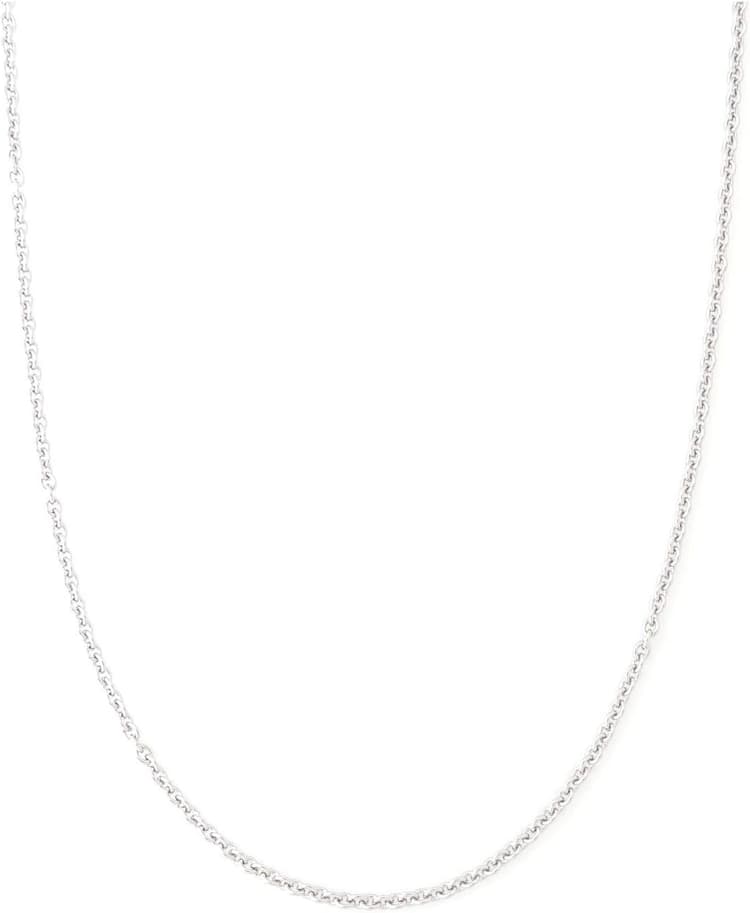
sejin jewelry
$4.78
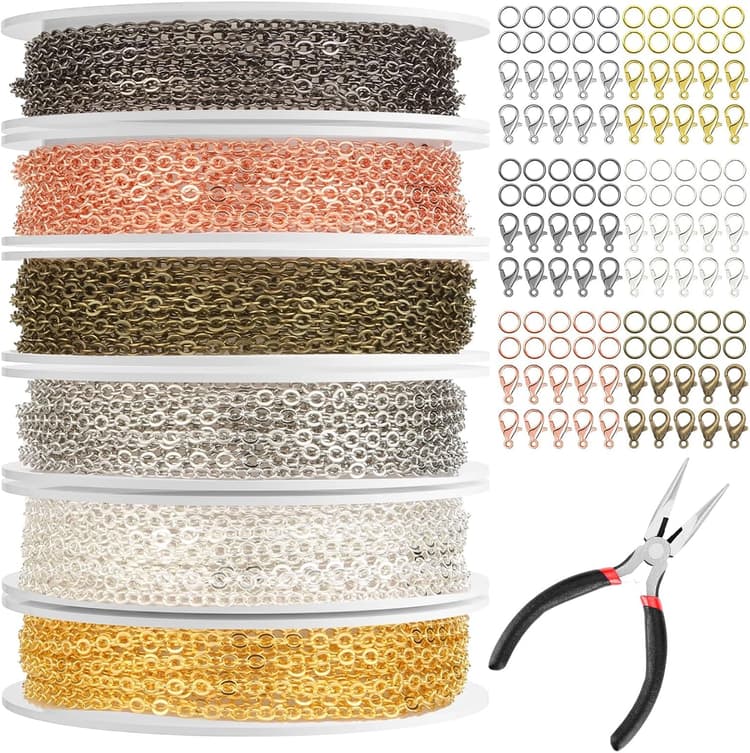
selizo
$14.99
Start by clarifying why you are buying the chain and when you will wear it. Use three simple axes: occasion (daily, work, formal), visual style (subtle, statement, minimalist) and personal constraints (sensitive skin, contact with water, preference for ethical metals).
Practical exercise: write down the three most common situations you will wear the chain (e.g., work, gym, evenings). For each, rank comfort, appearance and durability. This simple matrix makes it easier to filter options when shopping.
Why chains cost more — a practical breakdown (March 2026)
Chain prices are driven by a small set of measurable variables. Knowing which ones matter helps you decide where to spend and where to save. Below is a concise, actionable table and guidance you can use during comparison shopping.
Key price drivers
Comparison table (practical)
| Tier | Typical materials | What you pay for |
|---|---|---|
| Budget | Plated base metals, costume alloys | Appearance, trendiness; short lifespan |
| Mid | 316L stainless, vermeil, sterling silver (rhodium) | Durability, low maintenance, lower precious-metal cost |
| Premium | Solid 14K/18K gold, bespoke artisan pieces | Intrinsic metal value, longevity, repairability |
How to apply this in-store or online
For curated recommendations and price-contextual picks, view our chain selections at Necklace Chains - Selection and Practical Advice. Use these objective metrics (material, weight, complexity) to justify a purchase to yourself — it makes shopping rational and reduces buyer's remorse.
Fit, thickness and real-world comfort — practical method (March 2026)
A chain’s visual impact and wearability are defined by two measurable variables: length and thickness. In 2026 shoppers expect exact cm measurements, multiple attachment rings and clear clasp sizing. Use the procedure below to simulate and confirm fit before buying.
Step-by-step fitting process
Ergonomics & clasp guidance
Movement test (do not skip)
Visual guide (quick reference)
| Look | Common lengths (cm) | Typical thickness |
|---|---|---|
| Choker/minimal | 35–38 cm | 0.6–1.0 mm |
| Everyday/pendant | 40–45 cm | 1.0–1.8 mm |
| Layering/statement | 50+ cm | 1.5–3.0 mm |
Before purchasing, compare models using exact figures: length in cm, diameter in mm and clasp type. For curated chains and practical examples, see our Necklace Chains - Selection and Practical Advice. Recording specific numbers prevents reliance on product imagery and ensures the chain fits both in look and function.
Materials, marks and real-world durability — practical checks (Mar 2026)
Material choice remains the single most important long-term factor for chain performance. In 2026, shoppers expect clear markings, improved vermeil standards and an emphasis on corrosion resistance for active lifestyles. Use the checklist below to verify claims and anticipate wear.
Material snapshot
Quality indicators to verify in-store or online
Use-case recommendation (quick)
For comparisons with product examples and realistic price ranges see our curated lists: Necklace Chains - Selection and Practical Advice. Note the stated marks, plating data and join finish when you compare — these objective elements predict longevity far better than visual appeal alone.
Comparing chains comes down to assessing a few concrete, easy-to-check features. Below are the most important with brief explanations.
Example quick comparison template to fill for each model: material | length | diameter | clasp | weight | finish notes. Turning the purchase into a rational task eases decision-making.
Simple, repeatable tests to predict daily life performance (Mar 2026)
Before finalising a purchase, run a short battery of practical tests. These checks reveal weak points that photographs and descriptions usually hide. The sequence below is efficient and repeatable across stores and online returns.
In-store quick test checklist (5 minutes)
Document findings in a one-line tag
Use a short notation on your comparison sheet: Clasp(Firm/Loose) | Flex(Good/Poor) | Catch(Yes/No) | Pendant(Stable/Rotates) | WaterRes(High/Low).
Interpreting the results
For product examples and real-life comparisons, consult our curated chain selections: Necklace Chains - Selection and Practical Advice. Repeat this test sequence for each candidate to compare objective behavior rather than impressions alone — a decisive advantage when evaluating multiple models in one shopping session.
Frequent pitfalls and short expert moves you can apply immediately (Mar 2026)
New buyers commonly make a handful of repeatable misjudgements. This section lists them concisely with corrective actions you can apply in-store or when reading an online listing. The emphasis is on actions that require no specialist tools — just observation and a short simulation.
Top beginner mistakes & fixes
Practical expert tips (accessible)
A short pre-purchase checklist
For concrete product comparisons and to practise applying these checks against live listings, consult our Necklace Chains - Selection and Practical Advice. Turning these expert rules into a short routine (measure → simulate → test → ask) prevents the most common regrets and keeps purchases aligned with real-life use.
DHOOZ
$6.59
TOSCALINA
$14.99
Altitude Boutique
$9.99
$14.99
-33 %
*Jewlpire
$18.99
Tudomro
$13.99
$14.99
-7 %
*FOSIR
$9.99
selizo
$9.99
Cmidy
$12.99
ALEXCRAFT
$14.99
sejin jewelry
$4.78
selizo
$14.99
Lemonkey
$7.59
Actionable summary & next steps (March 2026 checklist)
Selecting the right chain is a layered decision: align occasion, material, dimensions and real-world performance. Below is a compressed action plan you can use in one shopping session — it turns comparisons into objective, repeatable choices.
3-minute pre-buy routine
Decision matrix (two-line)
Why this works
These steps convert subjective impressions into objective data: numbers and test results beat photos. In 2026, with better labelling and consumer expectations for traceability, relying on hallmarks and plating specifications helps you compare value across price tiers.
For concrete examples and to practise the routine against curated items, consult our collections at Necklace Chains - Selection and Practical Advice or in French Chaînes pour colliers - sélection et conseils. Record your priorities and your test results: the modest time invested before purchase is the best insurance against early wear and the fastest way to a satisfying ownership experience.
This guide was written to provide educational and practical criteria for choosing jewelry chains. It does not include brand comparisons or product endorsements. The information is based on technical principles and common jewelry practices. There are no commercial links or direct promotions in this text. The goal is to enable readers to make informed choices in-store or online.
Our guides compare and assess jewelry using objective criteria and expert insight.
We regularly update articles to reflect new releases and recent tests.
We may earn a commission if you buy via our links; this does not influence our editorial selection.
When you click, you are redirected to partner retailers chosen for their reputation.