
YEEZII
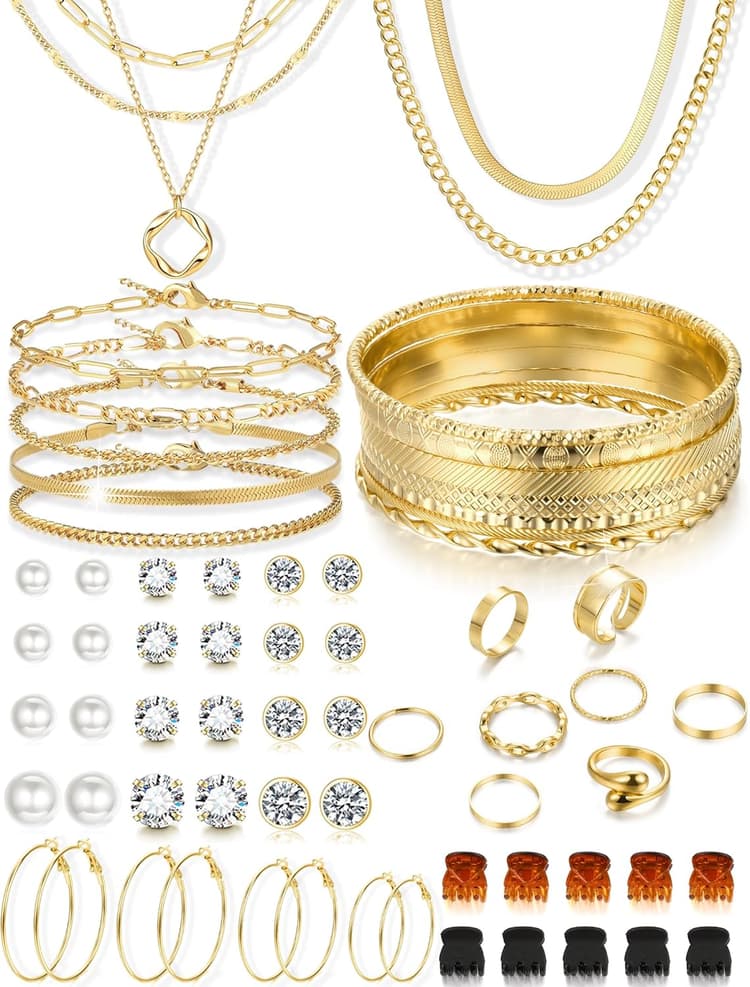
YEEZII 56 Pcs Gold Jewelry Set for Women with 5Pcs Layered Necklace, 5Pcs Layered Necklace, 12 Bracelets, 4 Hoop Earrings, 8 Stackable Rings, 10 hairpins, 12 Studs Earrings Jewerly set for Women
★★★★☆4.2
$9.99
$12.99
-23 %
*
Product reviewer and deals editor focused on watches, gemstones, and budget-friendly jewelry picks.

Why this update (March 2026)
This guide has been refreshed to reflect two important market shifts in 2025–2026: wider adoption of lab‑grown gemstones and stronger consumer demand for traceability and ethical sourcing. Our aim remains pedagogical: help you make a reasoned choice for a jewelry set by prioritizing use, comfort, materials and longevity, while adding practical checkpoints on provenance and certification.
How to use the method
Quick example checklist
| Step | What you check | Why it matters |
|---|---|---|
| 1 | Use case & piece list | Determines durability and style constraints |
| 2 | Budget band & material | Predicts care needs and lifespan |
| 3 | Sizing & closures | Avoids discomfort and loss |
| 4 | Traceability & certification | Confirms ethical sourcing and long‑term value |
Practical links: if you want product examples or curated picks, consult our Recommended Jewelry Sets or the category overview for set buying Jewelry Sets. Use the French links for fr‑language browsing: Parures et coffrets recommandés and Ensembles de bijoux.
Benefit: a repeatable, low‑bias process that incorporates 2026 expectations (traceability, lab gems). Limitations: market availability and personal taste still require flexibility; keep a 10–20% budget margin for certification or repairs.
YEEZII
$9.99
$12.99
-23 %
*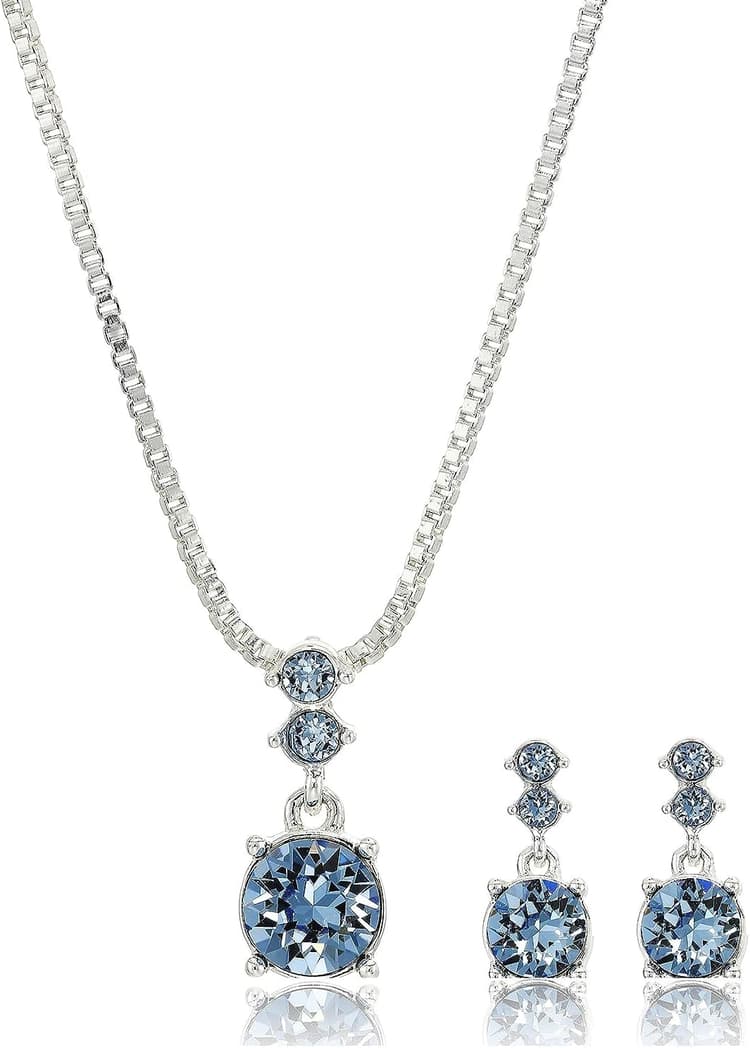
Nine West
$20.00
$24.00
-17 %
*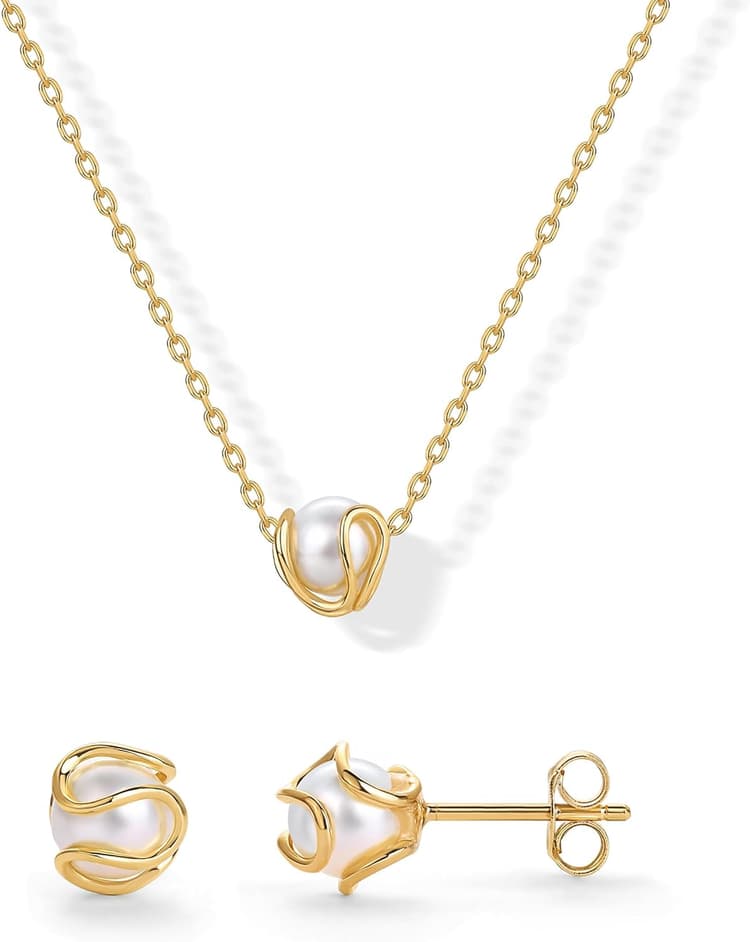
PAVOI
$18.95
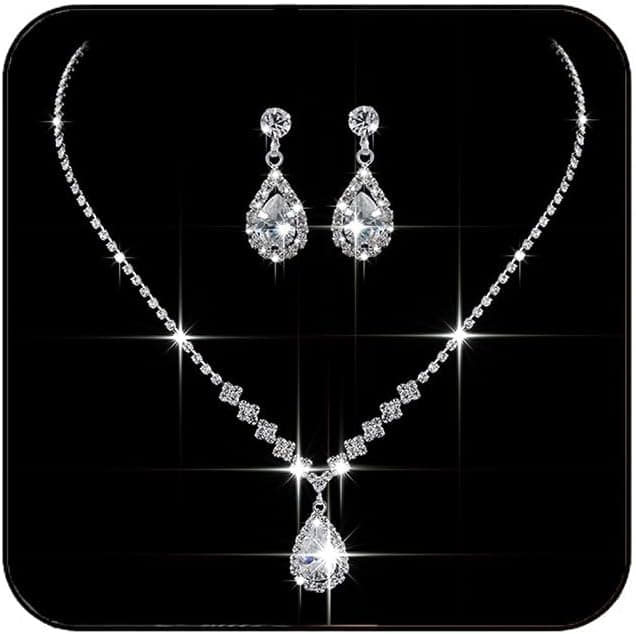
JAKAWIN
$13.11
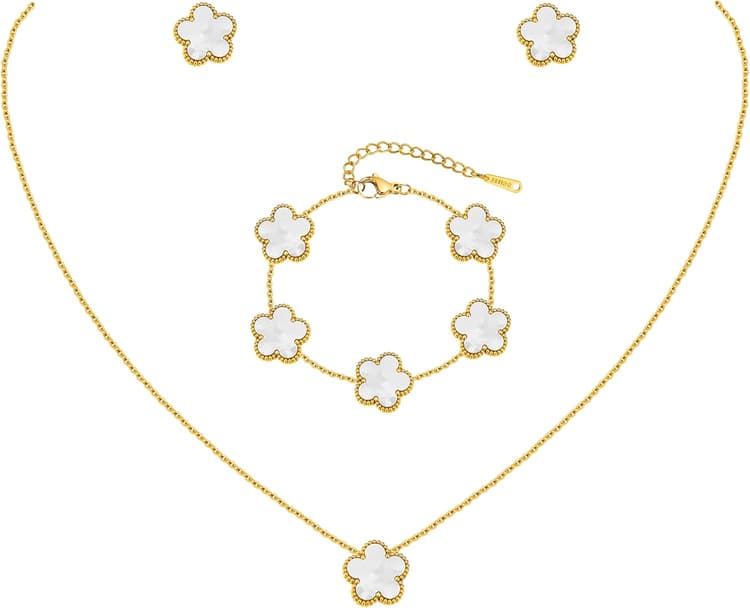
MPRAINBOW
$15.99
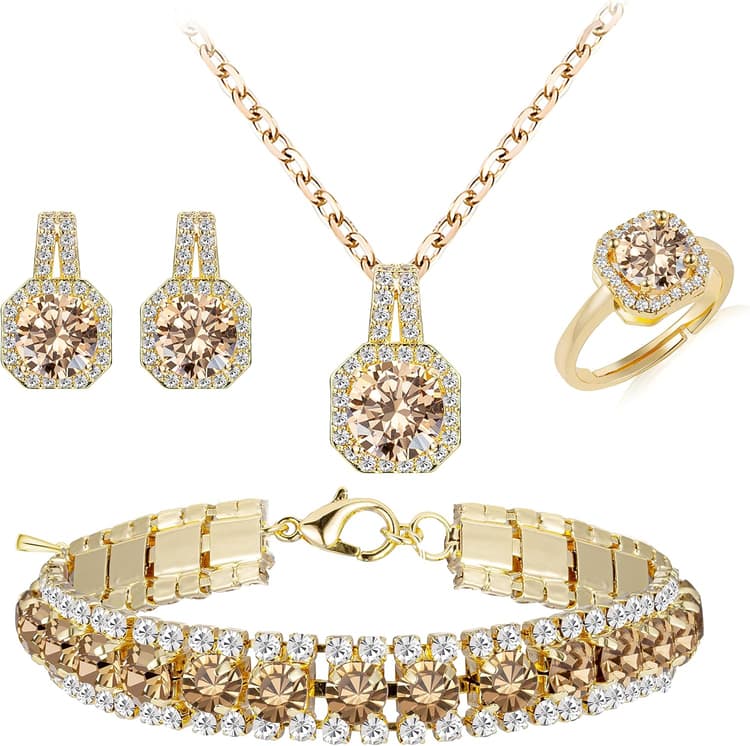
Paxuan
$15.38
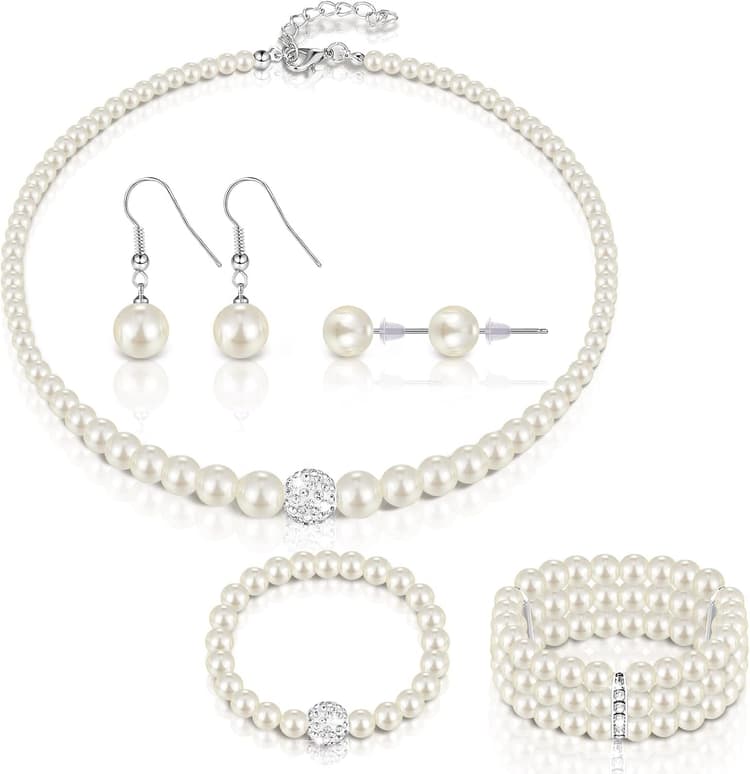
Glenmal
$9.99
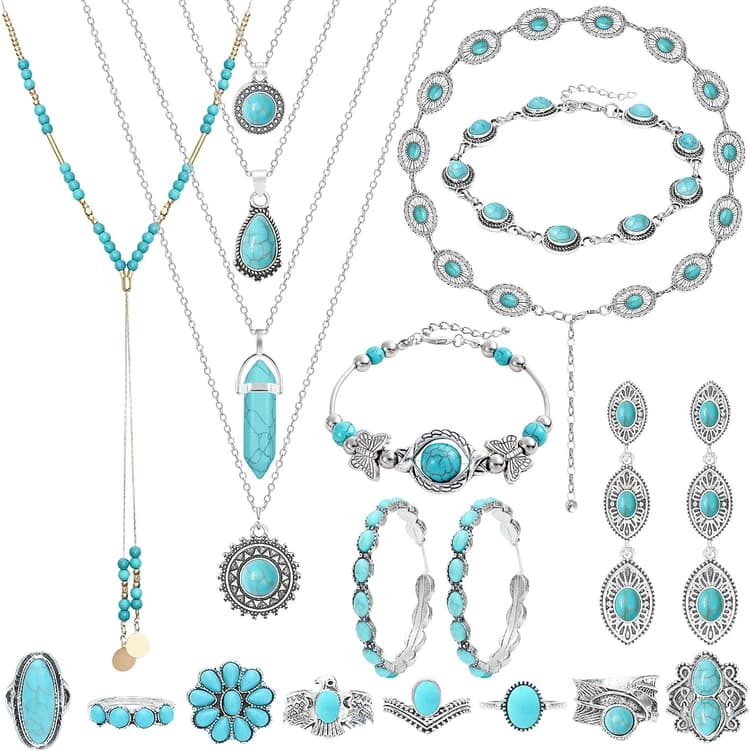
NEWITIN
$16.99
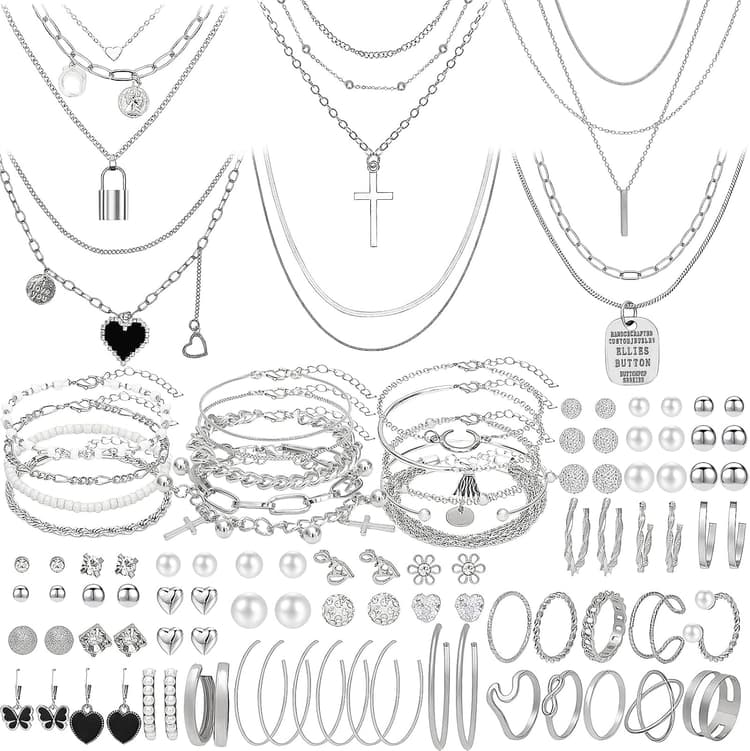
NEWITIN
$15.99
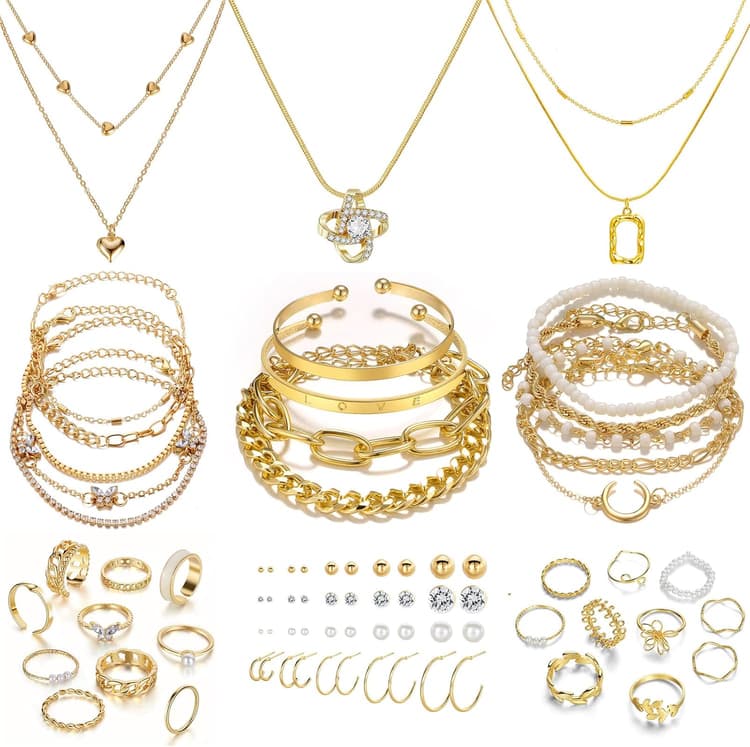
IFKM
$14.97
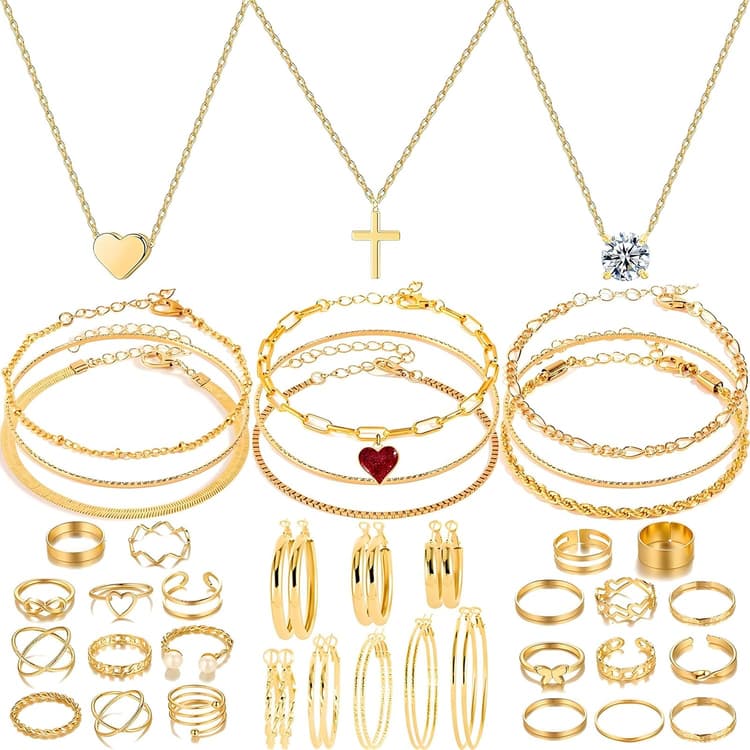
IXNEOP
$9.90
Start by defining the use case. Is the set for a wedding, daily wear, a gift or a collectible? Each use implies different priorities.
Ask concrete questions: which pieces should be included (necklace + earrings, bracelet + ring, complete set)? What is the maximum budget? How often will it be worn? Any nickel or copper allergies? Record these variables and rank them (for example: 1. hypoallergenic, 2. durability, 3. appearance). Use that ranking as a filter to quickly discard options that don't match.
Advantages of this approach: it lowers the chance of impulse purchases and steers you toward functional choices. Limitations: needs can change (a set bought for an event may become daily wear), so allow some flexibility in budget or criteria.
Market context (March 2026) — gold price volatility and increased consumer interest in traceable materials have changed how value is perceived. Brands offering documented sourcing or lab‑grown alternatives often command different premiums than traditional hallmarking alone.
Three drivers of price
Practical price tiers (updated)
| Tier | Typical materials | Expectation | Trade-offs |
|---|---|---|---|
| Entry | Thin plating, base alloys, CZ | Affordable look, shorter lifespan | Faster wear, more maintenance |
| Mid | Sterling 925, thicker vermeil, stainless steel | Best durability-to-cost in 2026 | Fewer luxury cues, but better daily resilience |
| High | 14k–18k solid gold, platinum, certified natural stones | Longevity, resale value | Insurance and security considerations |
Buying checklist for each tier
Tip: For many buyers in 2026 the best compromise is mid‑range with traceability or certified lab gems. It combines comfort, durability and ethical clarity without high insurance costs. If you need product examples, view our curated picks in Recommended Jewelry Sets or explore the category overview Jewelry Sets for context.
Limit: price is an imperfect proxy for ethics or durability; always verify composition and seller policies before purchase.
Size and comfort are often underestimated but crucial for daily wear.
How to measure accurately:
Comfort and ergonomics:
When possible, try items on: wear a set for 15-30 minutes to detect pressure points. Benefit: reduces returns; Limitation: in-store trials don't replicate repeated daily wear.
Overview — Knowing composition is now inseparable from provenance. In 2026 buyers expect both durability data and traceability notes for higher‑tier purchases. Below are common materials, practical durability cues and care recommendations.
Materials and practical notes
Durability checklist
Care & prevention (practical)
| Material | Typical care | Longevity (everyday use) |
|---|---|---|
| 14k–18k gold | polish, occasional jeweller check | 10+ years (with scratches) |
| Rhodium‑plated silver | avoid abrasion, replate when worn | 2–5 years (depending on wear) |
| Stainless steel | low maintenance | 10+ years |
Final note: always request composition proofs and, when possible, a traceability statement. For mid‑range durable options that balance ethics and longevity, consider rhodium‑plated sterling or recycled stainless steel from brands that publish sourcing details.
To compare effectively, turn your priorities (Step 1) into measurable criteria. Here is a simple checklist and explanations:
Practical comparison: create a simple table (or list) for three options and rate each criterion 1-5. Sum scores to reflect your personal hierarchy.
Everyday performance: consider your environment. An office allows more delicate pieces than manual work. For sports, prefer basic designs and robust materials.
Benefit: structured comparison reduces mistakes from visual assessment alone. Limitation: subjective qualities (appeal, style) remain hard to quantify; include a personal aesthetic score.
Top beginner mistakes (updated)
Practical expert tips you can apply today
Maintenance & realistic total cost
Mini decision matrix (practical)
| Need | Low budget | Mid budget | High budget |
|---|---|---|---|
| Daily wear | stainless steel / rhodium 925 | rhodium‑plated 925 or vermeil | 14k solid gold, bezel settings |
| Gift / heirloom | avoid thin plating | choose vermeil with certificate | certified natural stones, traceability docs |
Final advice: always ask for composition and traceability statements and test comfort for at least 15–30 minutes in‑store when possible. If you prefer online shopping, select sellers with transparent return policies and visible certifications. For inspiration and vetted picks, consult our Recommended Jewelry Sets or the broader set category Jewelry Sets. In French use Parures et coffrets recommandés et Ensembles de bijoux.
Nine West
$20.00
$24.00
-17 %
*PAVOI
$18.95
JAKAWIN
$13.11
MPRAINBOW
$15.99
Paxuan
$15.38
Glenmal
$9.99
YEEZII
$9.99
$12.99
-23 %
*NEWITIN
$16.99
NEWITIN
$15.99
IFKM
$14.97
IXNEOP
$9.90
Choosing a jewelry set is about balancing use, budget, comfort and durability. The recommended process: define needs, prioritize criteria, understand price tiers and learn about materials. Measure sizes correctly and test comfort when you can. Use a simple comparison grid to weigh durability, clasp security, maintenance and water resistance against your lifestyle.
Remember that the total cost includes care, potential repairs and insurance for valuable pieces. The practical advice here aims to reduce mistakes and encourage purchases that are durable and suitable. Finally, accept reasonable compromises: the best choice for daily wear is often not the most luxurious but the one that combines comfort and longevity. By following these steps you should be able to select a set that fits your needs and keeps its value over time.
Our guides compare and assess jewelry using objective criteria and expert insight.
We regularly update articles to reflect new releases and recent tests.
We may earn a commission if you buy via our links; this does not influence our editorial selection.
When you click, you are redirected to partner retailers chosen for their reputation.