
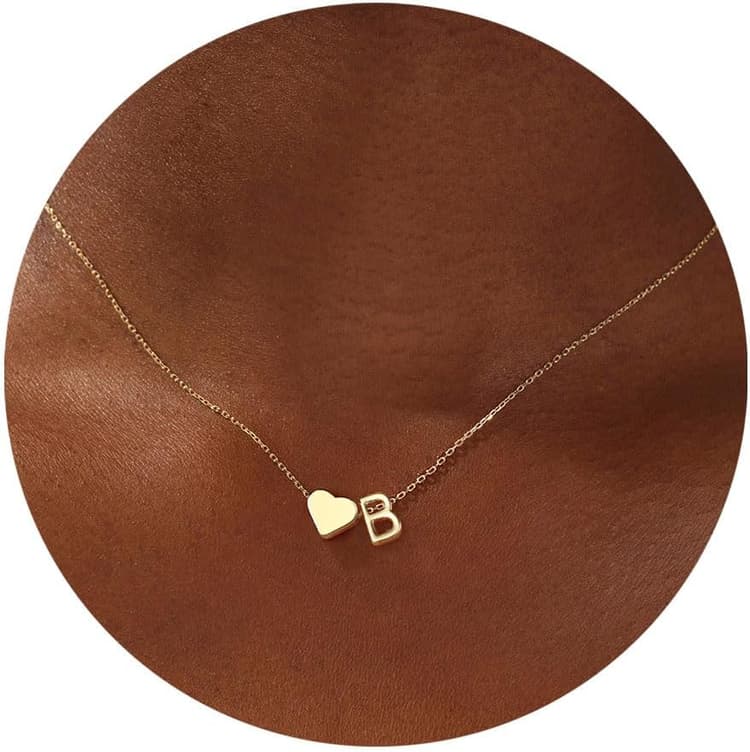
Turandoss
Turandoss Heart Initial Necklace for Women Teen Girls - 18K Gold Plated Letter A-Z Pendant Necklace Dainty Heart Necklaces Tiny Initial Necklaces Birthday Gifts for Women Jewelry
★★★★☆4.6
$17.99
$19.99
-10 %
*
Product reviewer and deals editor focused on watches, gemstones, and budget-friendly jewelry picks.

Purpose of this March 2026 update
This guide has been refreshed to reflect market changes and practical expectations for personalized necklaces in March 2026: evolving plating longevity, wider use of laser engraving, and measurable consumer demand for durability and traceability. Our aim remains pedagogical and practical — to help you compare options using clear criteria, not brand names.
What you’ll find in this update
Quick reference table (what to prioritize by use-case)
| Use case | Material priority | Personalization focus |
|---|---|---|
| Daily, active wear | Stainless steel, 14k gold | Laser or deep mechanical engraving; secure clasp |
| Heirloom / keepsake | 14k–18k gold, solid silver | Hand or deep mechanical engraving; hallmarks |
| Gift (unknown size) | Adjustable chain, vermeil or stainless steel | Clear, short engraving; readability prioritized |
How to apply this guide on the site
When assessing options, consult product detail pages for metal purity, engraving method and clasp type rather than relying on photos. For category browsing, see our curated selections for context: check the Personalized necklaces hub and compare chain options on Necklace Chains - Selection and Practical Advice.
This guide remains neutral and informational: follow the three-step decision method inside to avoid common mistakes and pick a personalized necklace that matches your lifestyle and expectations in 2026.
Turandoss
$17.99
$19.99
-10 %
*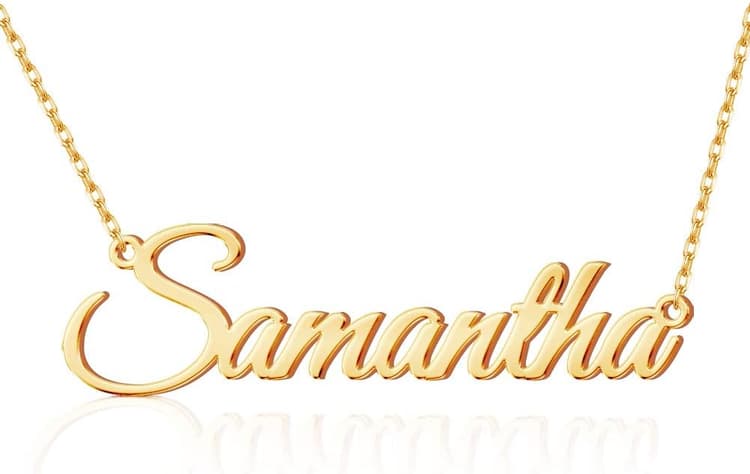
TinyName
$15.99
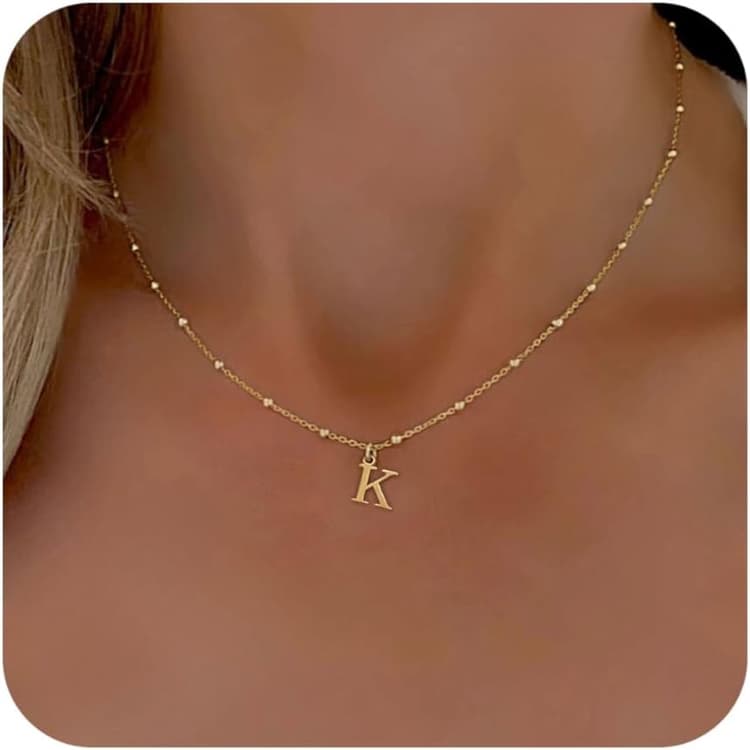
De Amo Sara
$12.99
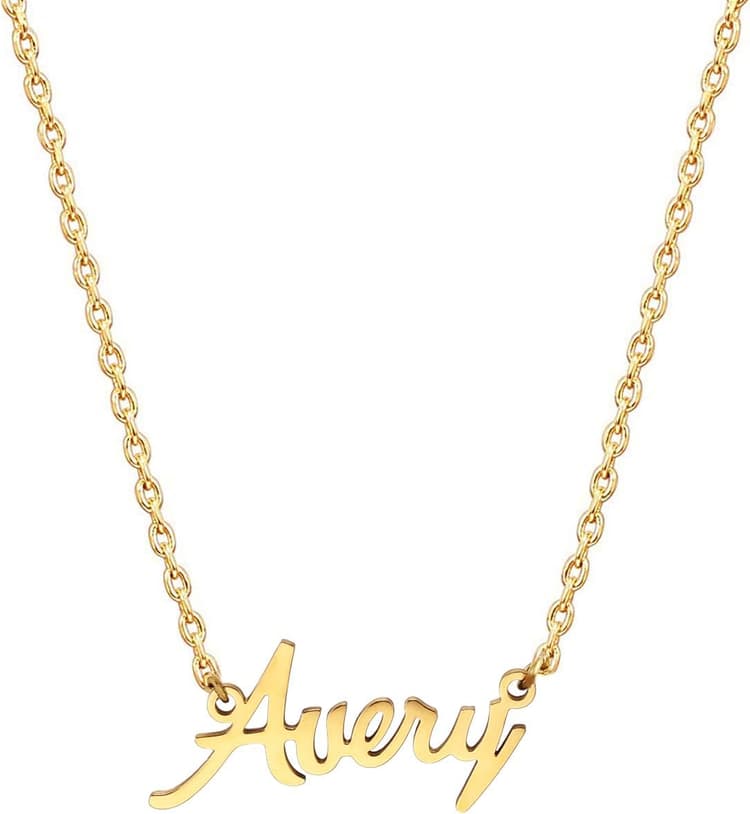
MOMOL
$9.99
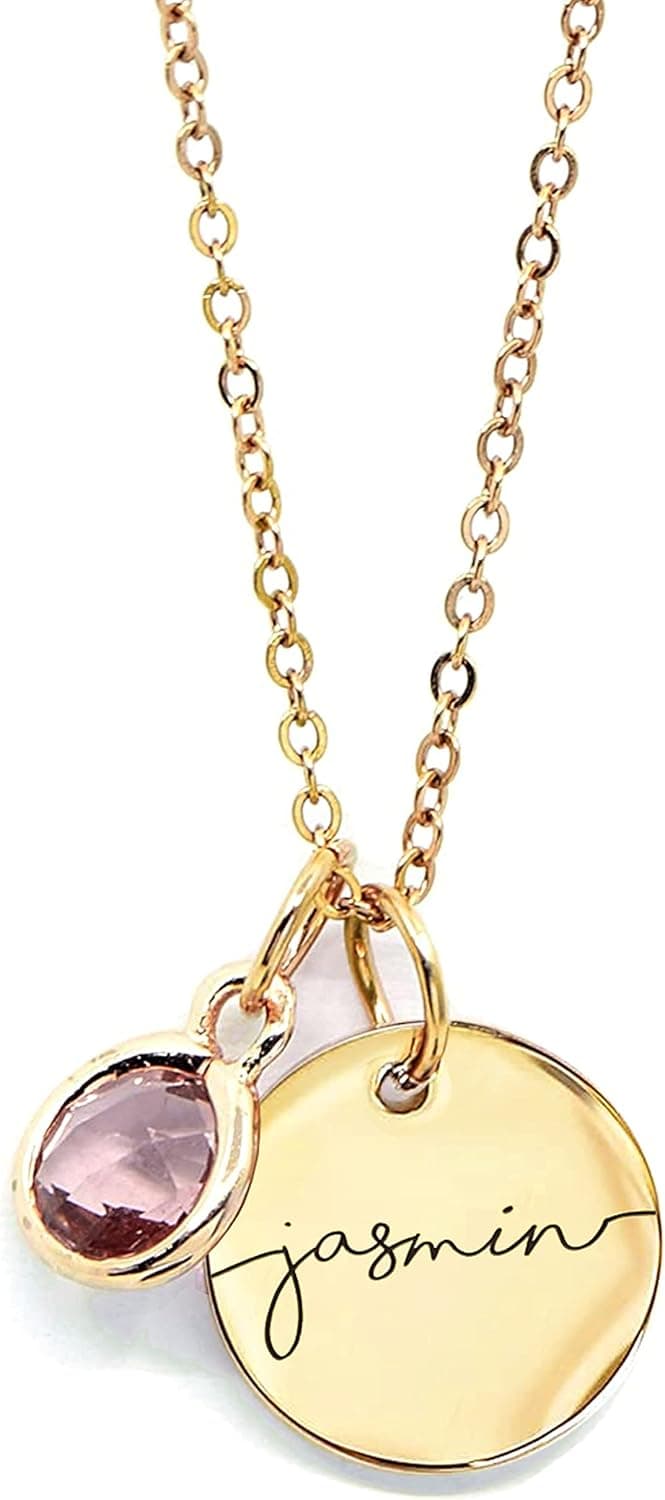
MignonandMignon
$21.50
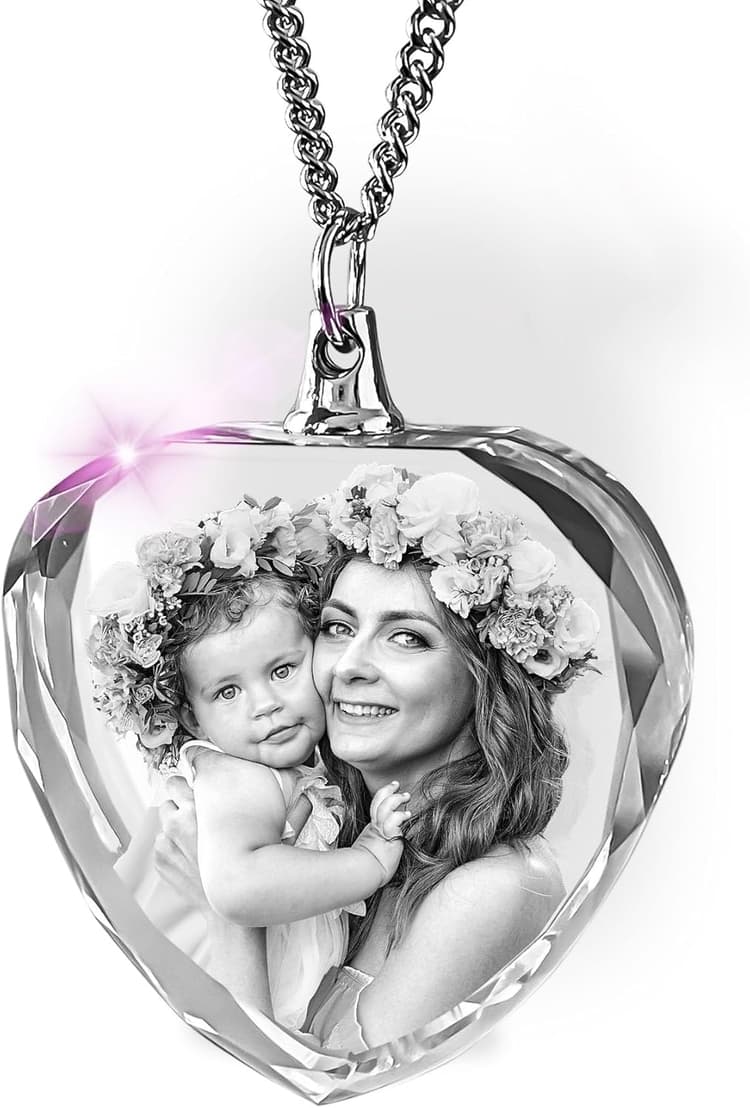
ArtPix 3D
$39.99
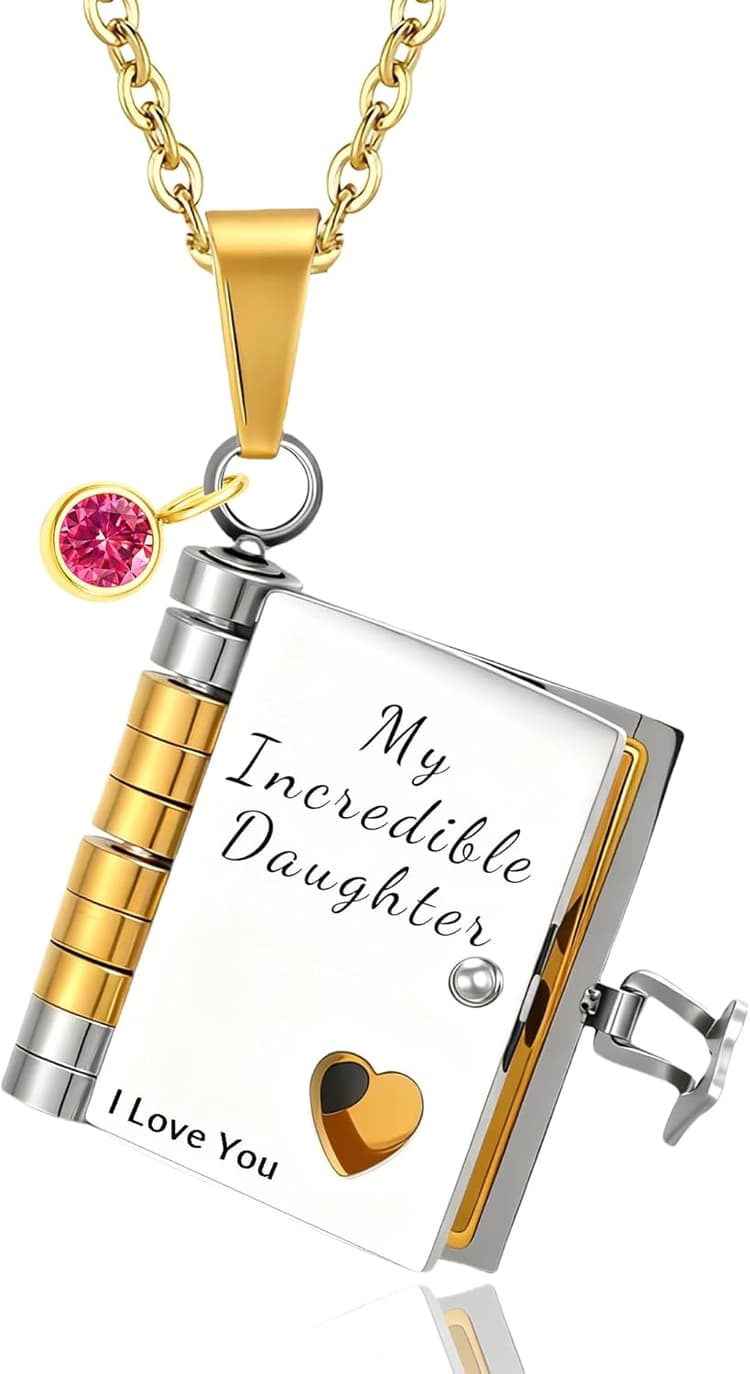
WINSD
$14.99
Start with a short needs audit (3 clear questions)
Before browsing, answer these in order: 1) How often will the necklace be worn? 2) Is the piece symbolic (keepsake) or functional (daily ID)? 3) Do you or the recipient have skin sensitivities? Your answers determine the best material, engraving depth and clasp choice.
Decision matrix (fast)
Practical step-by-step
Why this matters in 2026
Manufacturers now widely publish plating thickness, engraving technique (laser depth in microns) and clasp rating. Use those metrics to decide—photos and style guides are helpful, but the technical specs predict real-world endurance.
For further reading on chain choices and how they affect comfort and strength, consult our practical chain selection hub: Necklace Chains - Selection and Practical Advice. Applying this audit before you shop reduces returns and ensures the personalization you choose remains legible and wearable over time.
Price is a signal—decode it with technical facts
In March 2026 the primary cost drivers remain the same, but transparency has improved: many makers now publish plating thickness (microns), engraving method and metal fineness. Use these facts to translate price into expected durability rather than guessing from images.
Main cost drivers — a concise checklist
Practical benchmarks (March 2026)
How to use price information when shopping
For curated selections and to compare typical price tiers alongside technical specs, see our topical picks: Personalized necklaces selection and practical advice. This approach helps match budget and expectations in 2026 market conditions.
Comfort is a technical fit—test, measure, and record
Choosing the right length, pendant size and clasp is the single most effective way to ensure a necklace is comfortable in daily life. Use quick at-home trials and a simple checklist to prevent returns and disappointment.
Home fitting protocol (3 steps)
Pendant and chain compatibility
Clasp selection & adjustability
Quick reference table
| Common outfit | Recommended length | Chain type |
|---|---|---|
| High-collar shirts | 35–45 cm | Sturdy curb or cable |
| Low V-neck | 45–55 cm | Delicate cable or box |
| Layered looks | Mix 35–70 cm | Adjustable chains preferred |
For additional guidance on chain types and their strengths, see our chain selection hub: Necklace Chains - Selection and Practical Advice. Document your preferred length and carrying test results before ordering to reduce sizing surprises.
Materials now come with measurable specs—use them
In 2026 sellers increasingly list objective metrics: metal fineness (e.g., 14k), plating thickness (µm) and whether an item is nickel-free. These data points are more predictive of real-world durability than photos.
Material groups and practical implications
Durability checklist (what to look for on product pages)
For practical selections based on materials, consult our curated picks and technical advice at the personalized necklaces hub: Personalized necklaces — selections and practical advice. Choosing a solid or well-specified vermeil option will usually pay off in longevity compared with thinly plated fashion pieces.
Compare like-for-like using measurable features
When two necklaces look similar in photos, technical differences determine real-world performance. Use this checklist to compare offerings side-by-side.
Feature checklist (must-read fields on product pages)
Quick comparative table
| Visual parity | Durable spec (better) | Fragile spec (avoid for daily wear) |
|---|---|---|
| Similar photos | Laser engraving on stainless steel; soldered clasp | Superficial print on plated metal; crimped clasp |
Action steps before buying
To cross-check chain types and pendant compatibility, see our practical guides: How to Choose a Pendant Necklace and the Necklace Chains hub. This lets you compare specs, not just aesthetics, for a decision that lasts.
Select with real-life conditions in mind
Consider practical stressors: chlorine, saltwater, sweat, perfumes, cosmetics and physical activity. These factors influence material choice and maintenance; specify them when shopping so the seller can recommend appropriate options.
Real-world checklist
Personalization longevity
Practical example
A seaside commuter who keeps jewelry on should choose stainless steel or 14k gold with a locking clasp and laser engraving. An office worker with infrequent wear can favor sterling silver with careful storage.
For product comparisons by lifestyle, use our curated hubs like Personalized necklaces — selections and practical advice. Thinking about daily exposures before purchase reduces the need for early replacement and keeps the personalization legible for years.
Top mistakes and how to eliminate them
Many returns and disappointments stem from predictable errors. Here are the most common mistakes we still see in 2026—and simple, low-effort remedies you can apply before buying.
Common mistakes & fixes
Simple expert tips anyone can use
One-minute pre-purchase checklist
For practical comparisons and to see examples that implement these tips well, consult our curated selection: Personalized necklaces — selections and practical advice. Apply the checklist to minimize returns and ensure the personalization you order remains readable and wearable.
Turandoss
$17.99
$19.99
-10 %
*TinyName
$15.99
De Amo Sara
$12.99
MOMOL
$9.99
MignonandMignon
$21.50
ArtPix 3D
$39.99
WINSD
$14.99
Key takeaways and an action plan
Choosing the right personalized necklace in 2026 relies on three pillars: (1) a clear needs assessment, (2) objective material and engraving specs, and (3) comfort testing. Use the small set of tests and checklists above before ordering to avoid common pitfalls.
Action plan (5 practical steps)
Final table — match use to recommended specs
| Use-case | Recommended material | Engraving | Clasp |
|---|---|---|---|
| Daily active | Stainless steel or 14k gold | Laser or mechanical deep | Locking / screw clasp |
| Keepsake | 14k–18k gold or sterling silver | Hand or deep mechanical | Hallmarked, repairable |
| Gift unknown | Adjustable chain (45 cm baseline) | Short, simple text | Adjustable or locking clasp |
For hands-on comparisons and curated product suggestions that reflect these 2026 standards, visit our curated hub: Personalized necklaces — selections and practical advice. Following this action plan will reduce returns and help you buy a personalized necklace that remains legible, comfortable and durable for years.
What changed in this March 2026 refresh
We updated this guide to reflect clearer industry transparency in 2026: more sellers disclose plating thickness (µm), engraving method and depth, and clasp construction. We incorporated these measurable fields into our decision method so readers can compare offerings objectively rather than relying on imagery.
Method and sources
Neutrality and scope
Content is informational and not legal or medical advice. Where possible, we give concrete checks you can perform (request ruler photos, ask for engraving depth). Our goal is to reduce returns and increase buyer confidence.
If you want product-specific advice, use the checklists in this guide and cross-check on the relevant category pages such as Personalized necklaces. We keep the guide up to date as seller transparency evolves in 2026.
Our guides compare and assess jewelry using objective criteria and expert insight.
We regularly update articles to reflect new releases and recent tests.
We may earn a commission if you buy via our links; this does not influence our editorial selection.
When you click, you are redirected to partner retailers chosen for their reputation.