
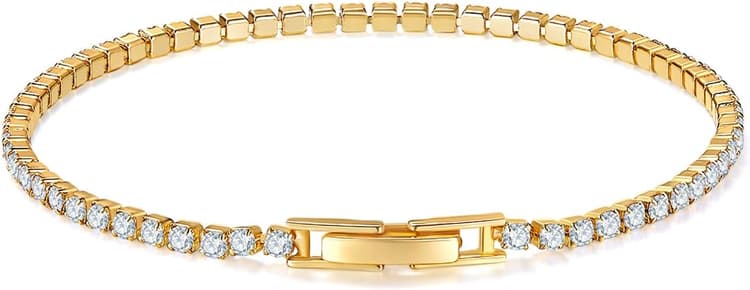
MINDDHA
MINDDHA Tennis Bracelet | 2mm 14K Gold/White Gold Plated Cubic Zirconia Silver, Gold Bracelets for Women | Elegant CZ Tennis Bracelet for Women, Thin, Dainty, & Classic, Size 5.5-8 Inch
★★★☆☆3.5
$7.99
$9.99
-20 %
*
Senior jewelry editor specializing in buying guides, trend reports, and honest reviews.

Purpose & scope
This guide is a concise, practical reference updated for March 2026 to help you buy a tennis bracelet that matches your lifestyle, aesthetic priorities and long-term expectations. It avoids brand endorsements and focuses on verifiable, testable signals you can check on a product page or in-store. Use the checklist below during research, in a jeweller’s showroom, or when comparing listings on marketplaces.
How to use this guide
Quick checklist (one-line)
| Decision area | Quick question to answer |
|---|---|
| Use case | Will it be worn daily? |
| Metal | Prefer 14k / 18k / platinum for durability/colour? |
| Stones | TCW, average stone size, 4Cs |
| Setting | Prong vs closed/bezel — protection vs sparkle |
| Clasp | Box + secondary safety? |
Practical notes & modern context (Mar 2026)
Use this slice as your orientation: the rest of the guide expands on price drivers, sizing, materials, and specific tests to run in person or when requesting additional photos from sellers. Keep the checklist accessible on your phone when shopping.
MINDDHA
$7.99
$9.99
-20 %
*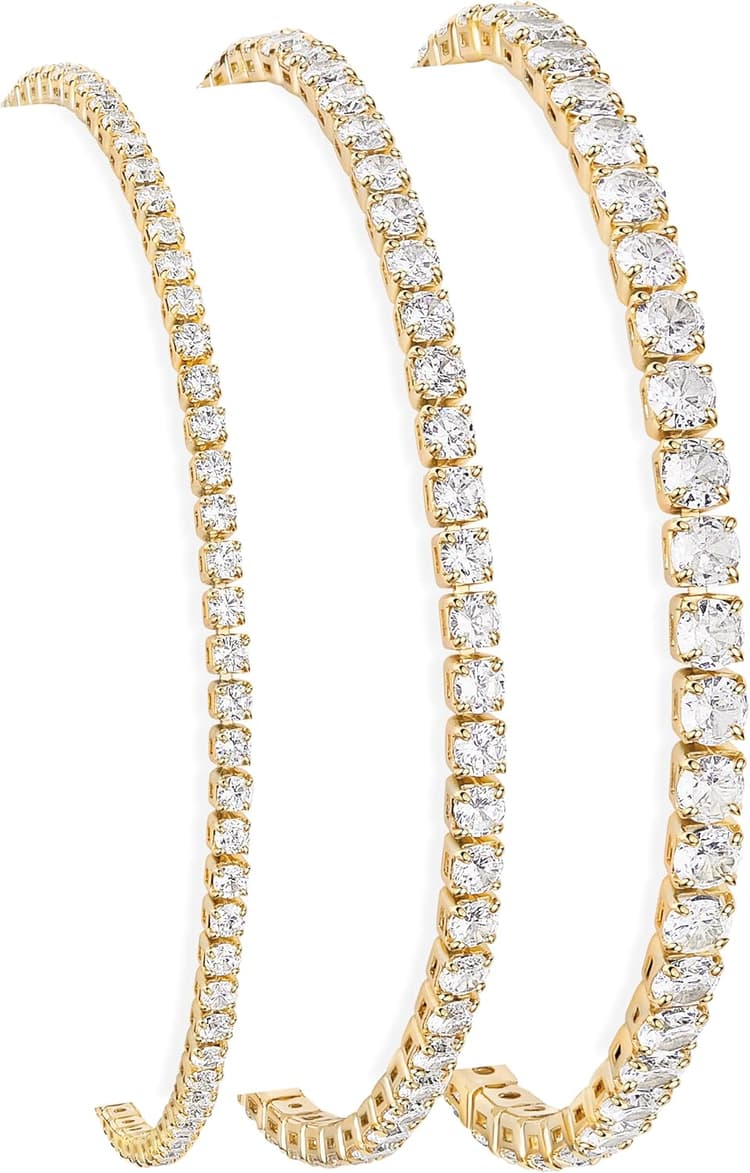
Poxtex
$13.99
$15.99
-13 %
*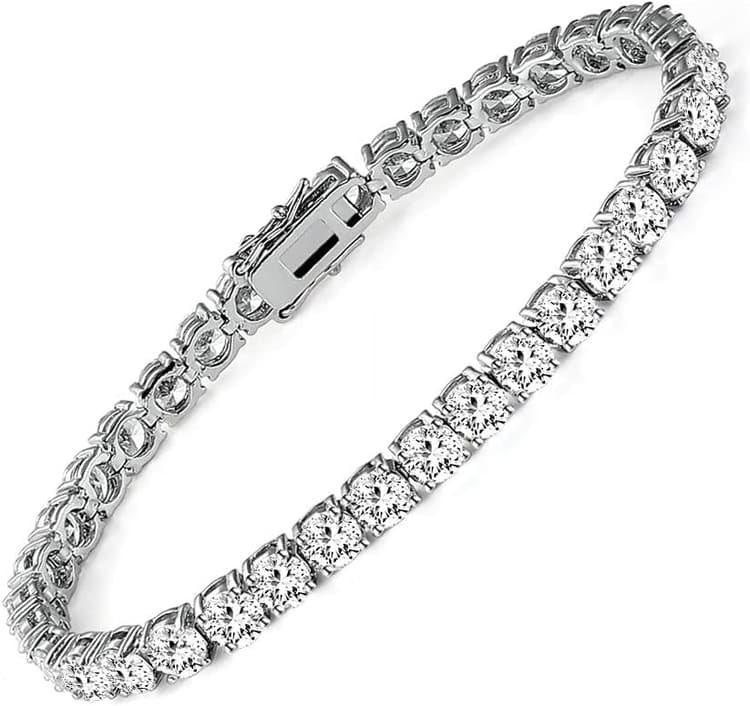
MDFUN
$18.99
$19.99
-5 %
*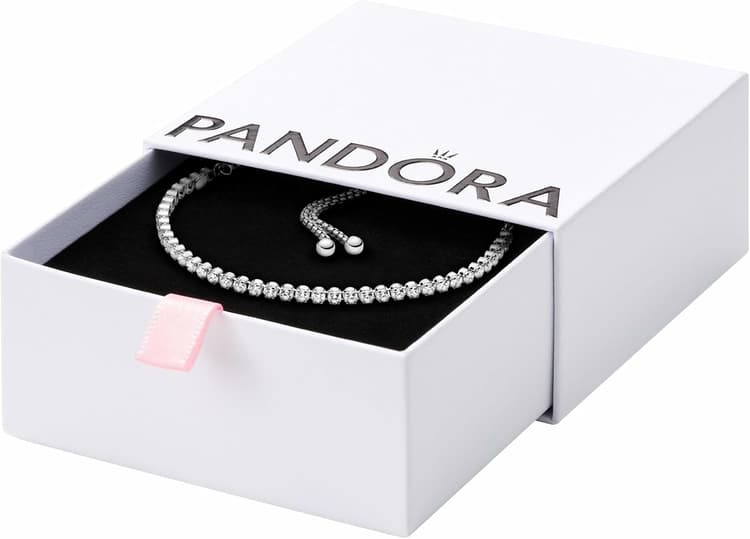
PANDORA
$90.00

PAVOI
$19.95
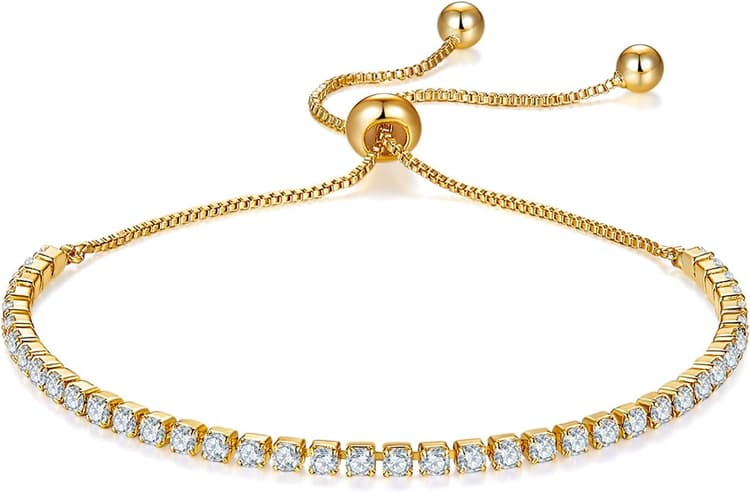
MINDDHA
$9.99
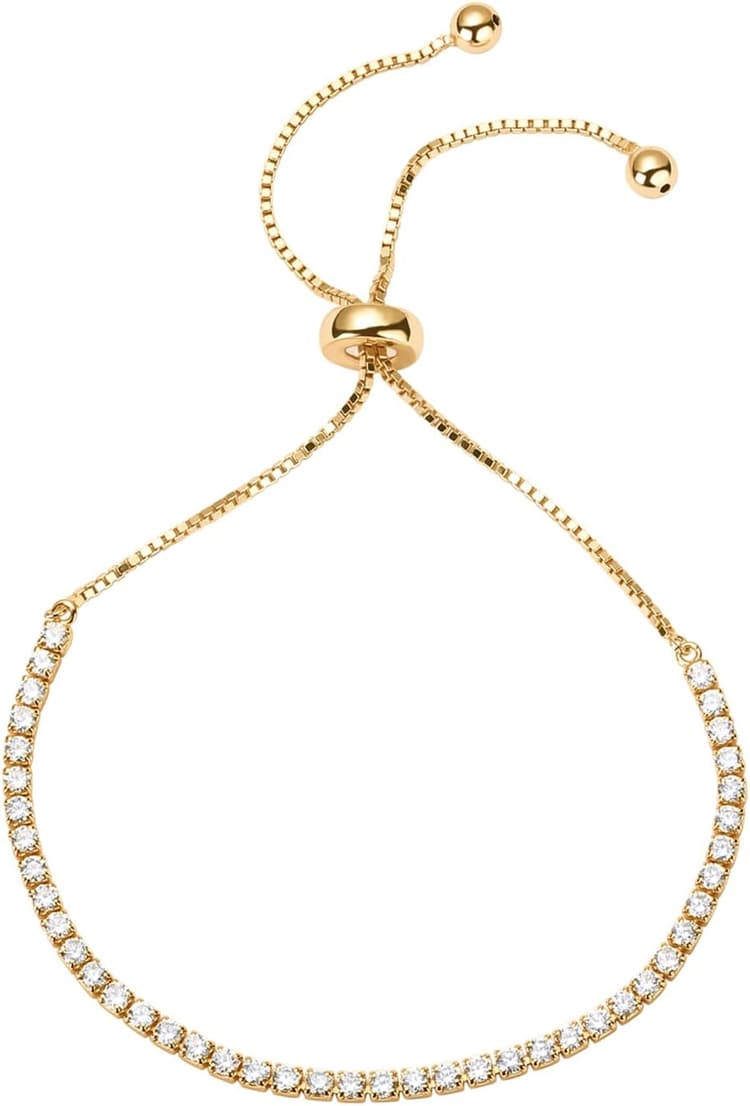
PAVOI
$16.95
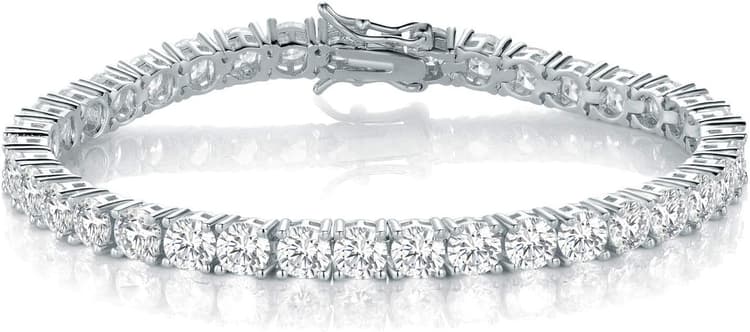
Gemsme
$13.99
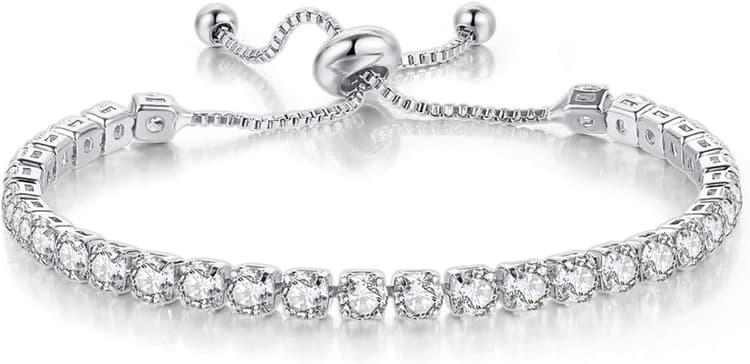
GEMOSA
$7.99
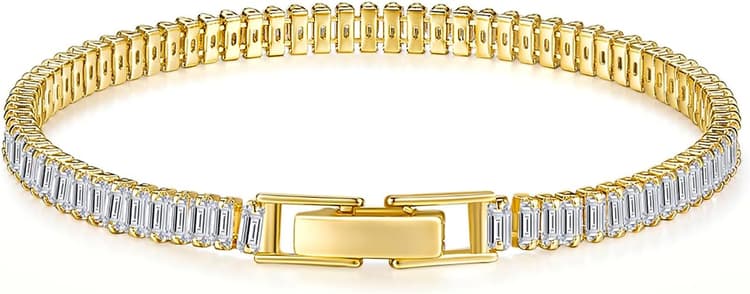
MINDDHA
$7.99
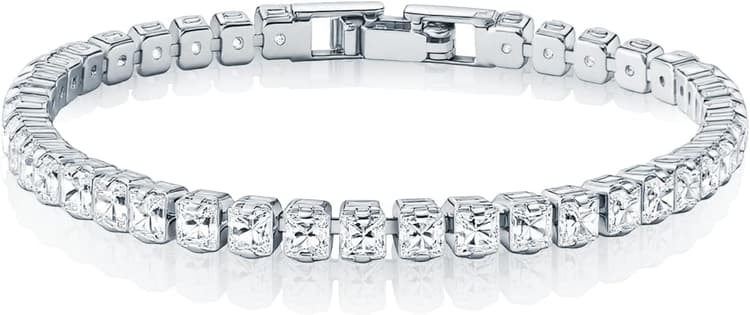
ELARLACE
$9.99
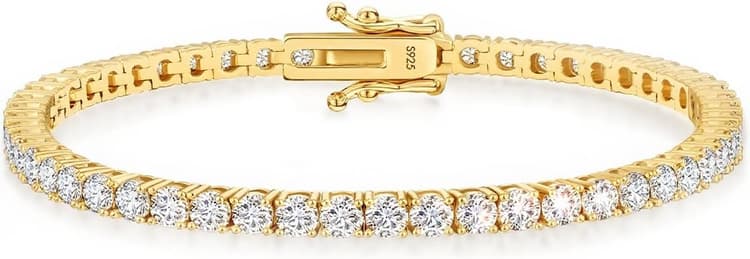
GemSpark
$149.00
Start by defining what role the bracelet will play. Typical buyer scenarios are daily wear, occasional wear, and purchasing for long-term value. Each scenario requires different priorities.
Daily wear: focus on secure settings and a dependable clasp. Well-executed prong work or closed pavé settings lower the chance of stone loss during routine activities. Choose a streamlined design, medium-sized stones instead of oversized ones, and fewer articulation points to reduce snagging.
Occasional wear: visual impact matters more. Larger stones and bolder proportions are acceptable if the piece is rarely exposed to wear. Softer metals may be chosen for their color and finish if durability is a secondary concern.
Investment or heirloom: prioritize material quality (durable precious metal, certified stones) and repairability. Standardized settings and common stone shapes make long-term restoration simpler.
Factor in lifestyle details: manual labor, sports, and frequent exposure to water or chemicals argue for stronger alloys and sealed settings. Consider aesthetic choices too: metal color, added ornaments, and polished versus brushed finishes. Set a realistic budget and rank your requirements: when comfort tops the list, a flexible tennis bracelet with a secure clasp may be preferable to one with the largest possible stones.
What you’re really paying for
By March 2026 the composition of price for a tennis bracelet remains the same in principle, but market sensitivity around traceability, lab certification and alloy choices has increased. Break the asking price into distinct buckets so you can decide where to prioritise budget.
Price buckets (table)
| Bucket | What it covers | Decision trade‑off |
|---|---|---|
| Metal | Type (14k, 18k, platinum), weight, finish (rhodium) | Durability vs colour/weight cost |
| Stones | Total Carat Weight (TCW), 4Cs, uniformity | Size/impact vs stone quality |
| Workmanship | Setting complexity, soldering, link construction | Durability and repairability |
| Security & extras | Clasp quality, safety catches, warranty | Daily risk mitigation |
| Certification | Lab reports (GIA, IGI, etc.), chain of custody | Resale value & provenance confidence |
Key modern points (Mar 2026)
Practical buying tip
Itemise the seller’s price into the buckets above and ask for a simple breakdown. When buying online, request macro photos of the inside of links and the clasp mechanism; when buying in store, note the metal stamp, ask for any lab reports and compare similar items in our Tennis Bracelet Selections to validate value.
Fit matters — and it’s measurable
By March 2026 consumer feedback continues to show that poor fit is the main reason owners stop wearing a bracelet. Sizing for a tennis bracelet is a precise balance between security and comfort. Below is a stepwise method to measure and test fit, together with practical actions you can take in store or when ordering online.
Stepwise measurement and testing
Technical checks for everyday performance
Maintenance planning
Plan for a setting inspection and cleaning every 6–12 months for daily wear; factor this into total ownership cost. If buying online, request a return window that allows a full‑day trial at home and confirm repair/warranty terms.
When comparing items, test fit first and then examine construction. For visual examples and size references, cross‑check similar models in our Tennis Bracelet Selections and the tennis bracelets category to confirm how measured allowances translate to real products.
Pick materials with your lifestyle in mind
In 2026, material decisions still determine long‑term satisfaction. Metals, alloys, stone types and construction techniques combine to define durability and maintenance needs. Below is an actionable breakdown that pairs common choices with their practical consequences.
Metal overview (compact)
Alloys & treatments
Stone choices
Construction & finishing
Practical trade‑offs
When in doubt, ask to see macro photos of the inside of links and the solder points, and compare construction details with similar items in our Tennis Bracelet Selections to validate build quality.
When comparing similar pieces, create a quick checklist with these fields: metal type and weight, total carat weight (TCW), average stone size, setting style, clasp type, certification, and repair policy. Simple explanations and hands-on tips follow.
Total carat weight (TCW): the sum of all stone carats. Higher TCW increases visual impact, but distribution matters: small, uniform stones give continuous sparkle, while larger stones create focal points.
Setting style: prong settings expose stones to light but are less protective; bezel or closed settings shield stones. Expert tip: if your hands are active, choose protective settings or low-profile prongs.
Clasp: test opening and closing for ease and reliability. A clasp that's too stiff can wear out components; a clasp that's too simple risks accidental opening. Tip: a secondary safety catch is sensible for everyday wear.
Stone uniformity: consistent color and size provide a more refined look and better perceived value.
Certification: for notable diamonds, a lab report assists in verifying quality and supports resale.
Practical tips: wear the bracelet for a day when possible; request maintenance history or repair options; ask for macro photos of settings and the inside of links. Small checks like these reduce surprises and help you compare on objective grounds.
Most regrets are avoidable with simple checks
By March 2026, the common mistakes remain consistent: buying from flattering images alone, neglecting the clasp, underestimating metal behaviour, skipping maintenance, and confusing TCW with visual quality. Below are the typical pitfalls and a step‑by‑step avoidance plan you can use immediately.
Top beginner mistakes & fixes
Buying on photos only — Photos can hide uneven settings, worn soldering or mismatched stones.
Ignoring the clasp — Clasp failure is a leading cause of loss.
Choosing 18k for colour only — 18k is softer and dents faster.
Skipping maintenance — Loose prongs and worn links will worsen over time.
Equating TCW with better look — High TCW can still look flat if cuts or colours are poor.
Checklist to avoid regret (one page)
Small actions done at purchase time reduce 90% of post‑purchase problems. If unsure, compare similar items in our Tennis Bracelet Selections to identify realistic standards for construction and finish.
PANDORA
$90.00
PAVOI
$19.95
MINDDHA
$9.99
PAVOI
$16.95
Gemsme
$13.99
MDFUN
$18.99
$19.99
-5 %
*Poxtex
$13.99
$15.99
-13 %
*GEMOSA
$7.99
MINDDHA
$7.99
ELARLACE
$9.99
GemSpark
$149.00
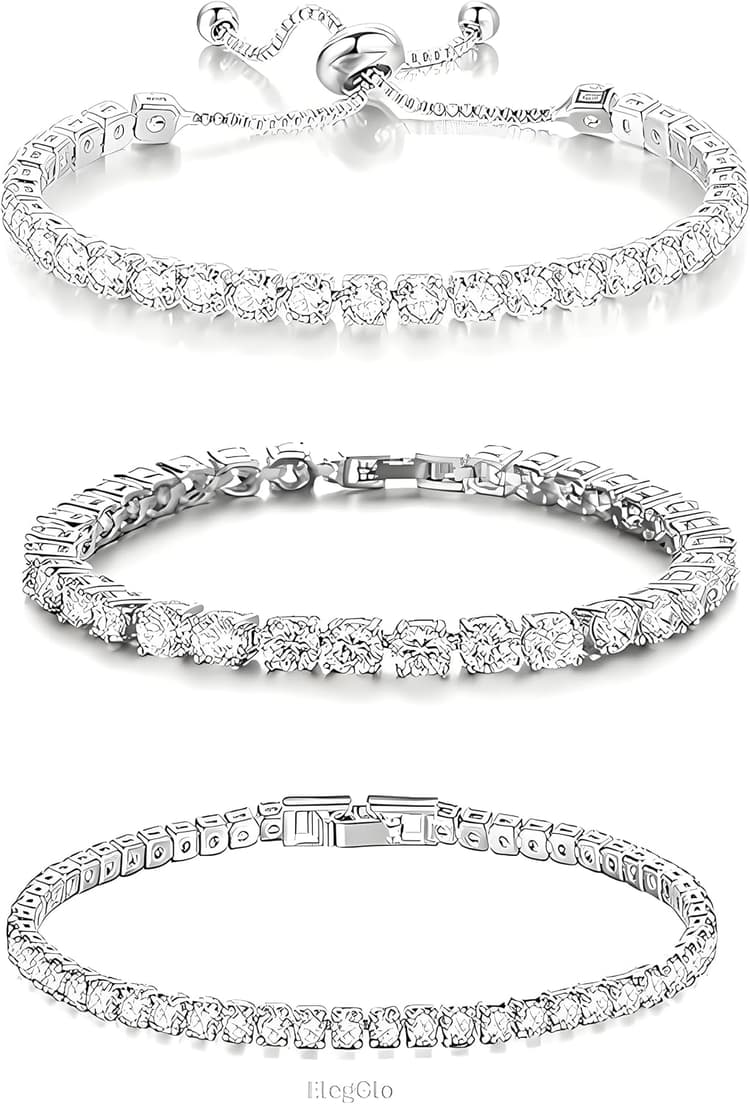
ElegGlo
$9.99
A compact decision framework
This final summary gives you a one‑page decision framework to apply in March 2026 when choosing a tennis bracelet. The goal: convert your priorities into verifiable buying criteria so you buy less on impulse and more on durable value.
Three questions to answer before purchase
Buying decision matrix (brief)
Final practical checks
Applying this compact framework reduces common regrets. Use the guide’s checklists at the point of purchase and compare candidates with our reference examples in the Tennis Bracelet Selections to see how these principles appear in real listings. Buying a tennis bracelet in 2026 is about balancing immediate visual impact with predictable, maintainable performance — do the checks, set expectations, and choose accordingly.
This guide is educational and does not contain brand endorsements or made-up price figures. Recommendations are based on general jewelry principles, ergonomics, and maintenance practices. No commercial promotions are included and examples stay generic. Readers should verify certifications and vendor policies before purchasing.
Our guides compare and assess jewelry using objective criteria and expert insight.
We regularly update articles to reflect new releases and recent tests.
We may earn a commission if you buy via our links; this does not influence our editorial selection.
When you click, you are redirected to partner retailers chosen for their reputation.