
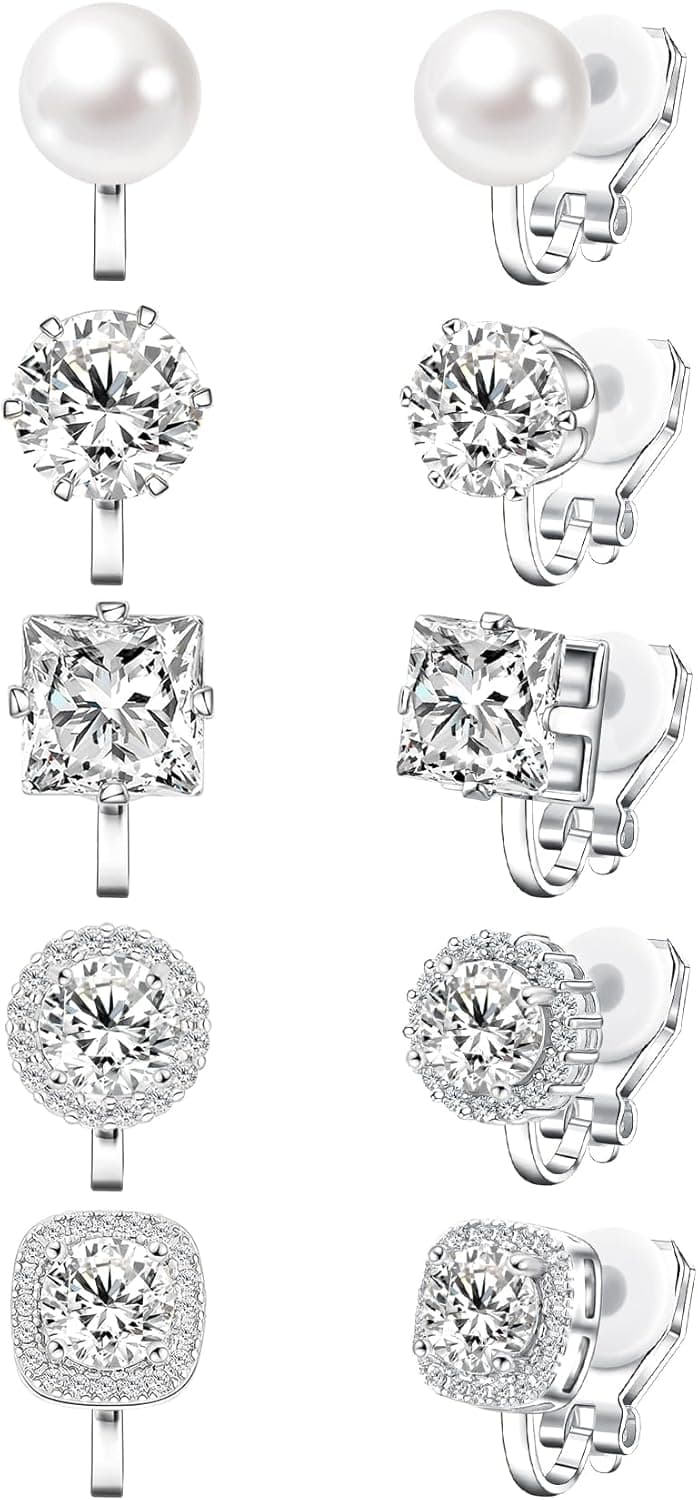
Ritach
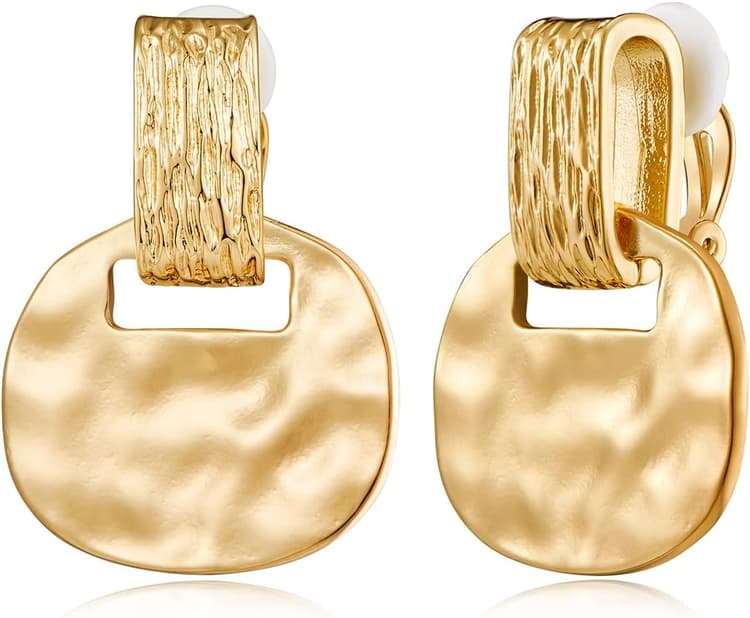
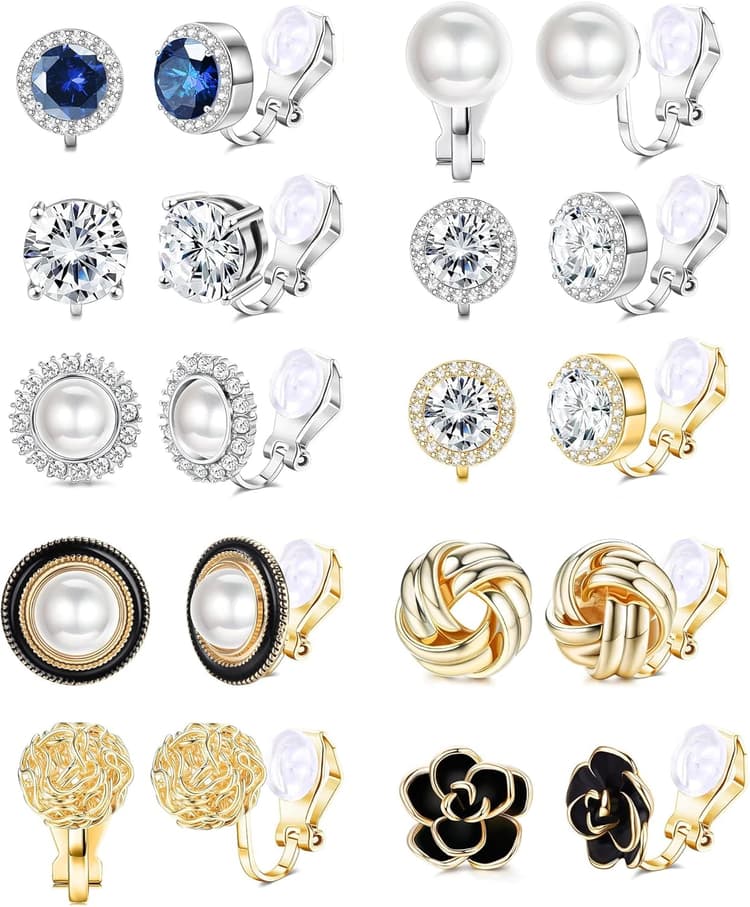
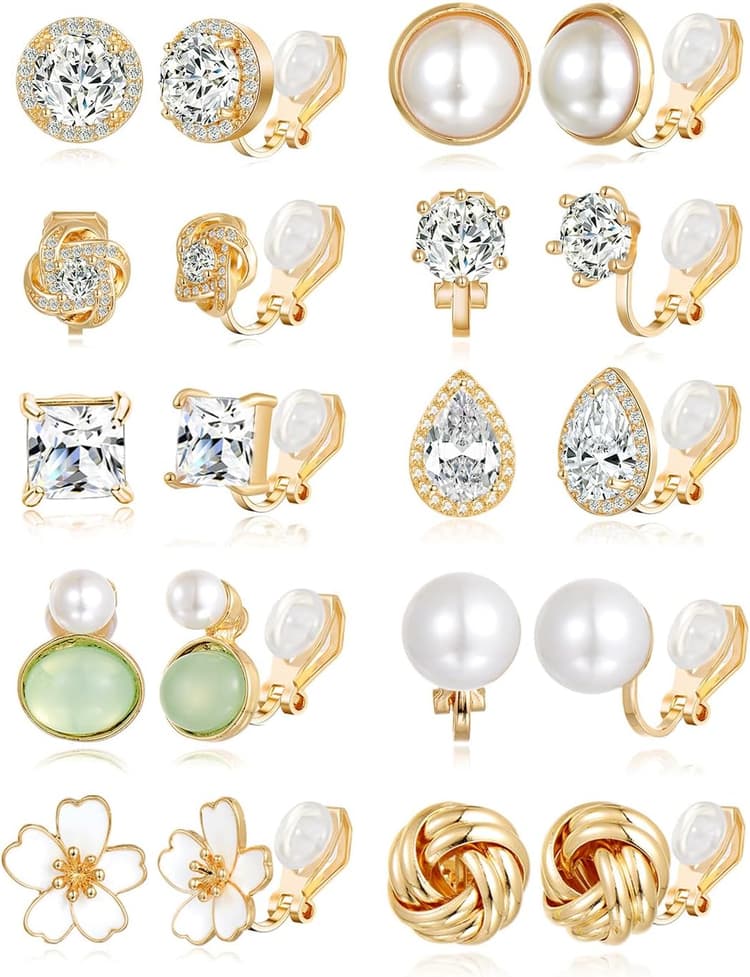
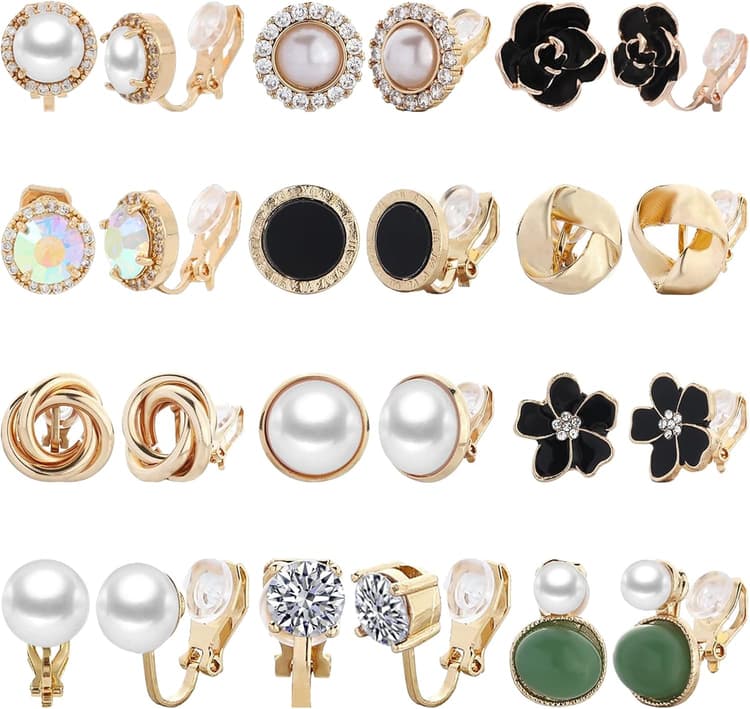
Cubic Zirconia Clip on Earrings - Women Hypoallergenic Comfortable Non Pierced Stud Earrings for Wedding and Dance Competitions, Clip-on Earrings Silver Gold
★★★★☆4.6
$9.99
$12.99
-23 %
*
Senior jewelry editor specializing in buying guides, trend reports, and honest reviews.

What this updated guide delivers (March 2026 standards)
This refreshed, practical guide teaches you how to choose clip‑on earrings with an emphasis on measurable comfort, realistic durability and objective comparison—useful whether you buy in store or online. It focuses on three user outcomes: comfortable short‑term wear, reliable daily wear, and safe choices for sensitive skin. The goal is not to list products but to give reproducible tests and decision tools so you avoid impulse purchases that look good but hurt or corrode quickly.
Who will benefit most
Quick reference table — which approach to use
| Primary need | Prioritise | Test to run before buying |
|---|---|---|
| Occasional (hours) | Secure hold, style | 1‑hour simulated test; rotation check |
| Daily (hours/day) | Lightweight, padding, corrosion resistance | Progressive wear up to 3–4 hours; moisture test |
| Sensitive skin | Nickel‑free, grade metals | Patch/contact check 24–72 hours (see FAQ) |
How to use the rest of this guide
This update integrates industry feedback and consumer testing practices current to March 2026: we emphasise measurable trials (time, movement, mechanical cycles) and explicit material checks rather than aesthetic impressions alone.
Ritach
$9.99
$12.99
-23 %
*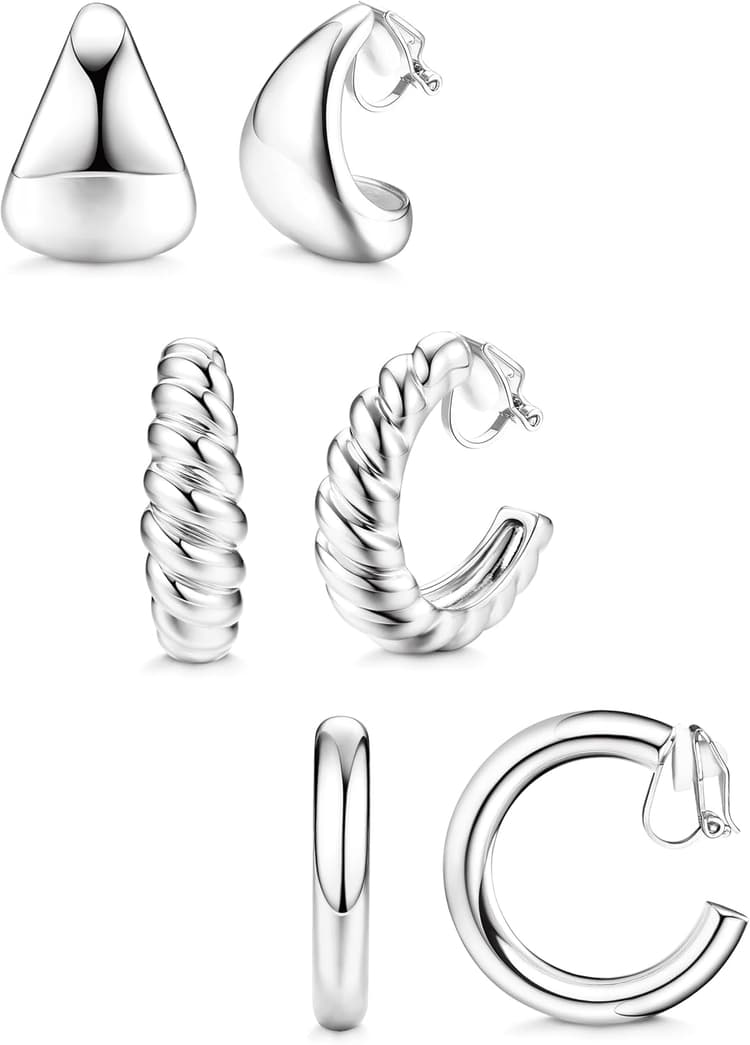
BESTEEL
$9.99
$11.99
-17 %
*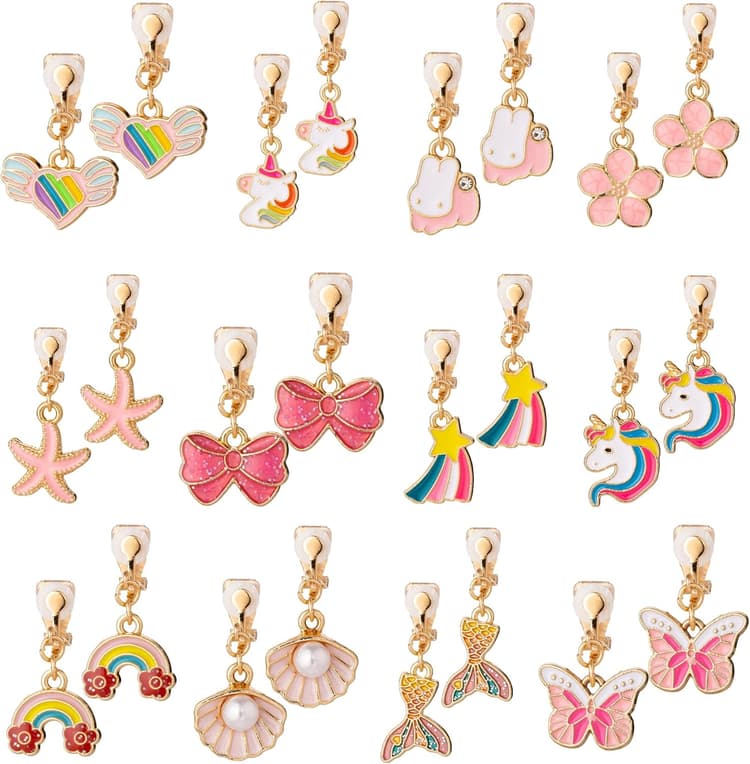
PASEMM
$9.99
$11.99
-17 %
*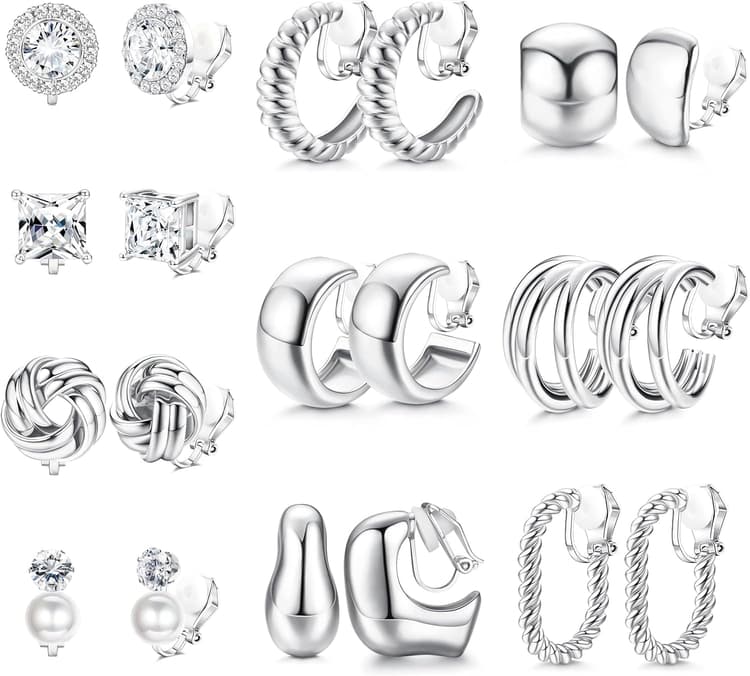
FIBO STEEL
$13.99
$15.99
-13 %
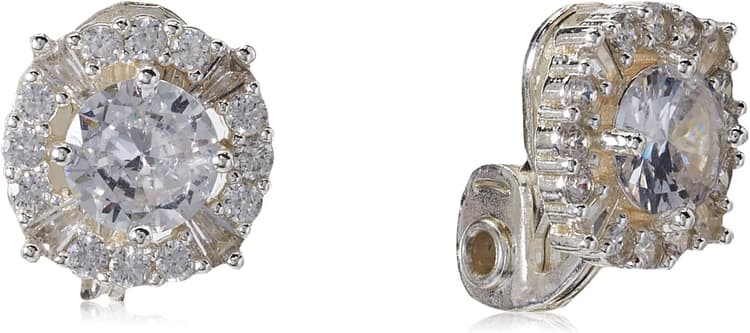
*
$17.60
$20.00
-12 %
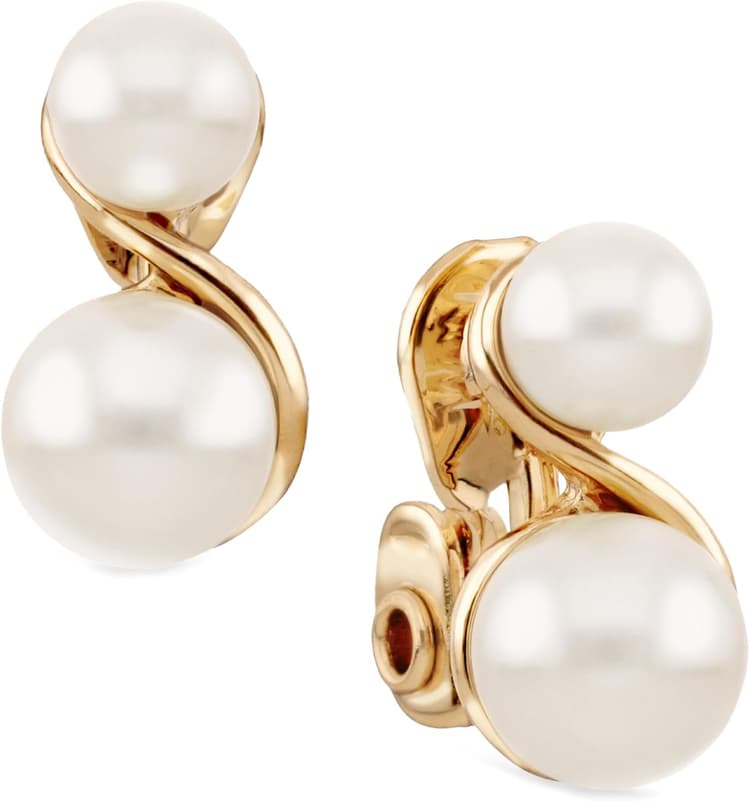
*
Anne Klein
$16.00
$18.00
-11 %
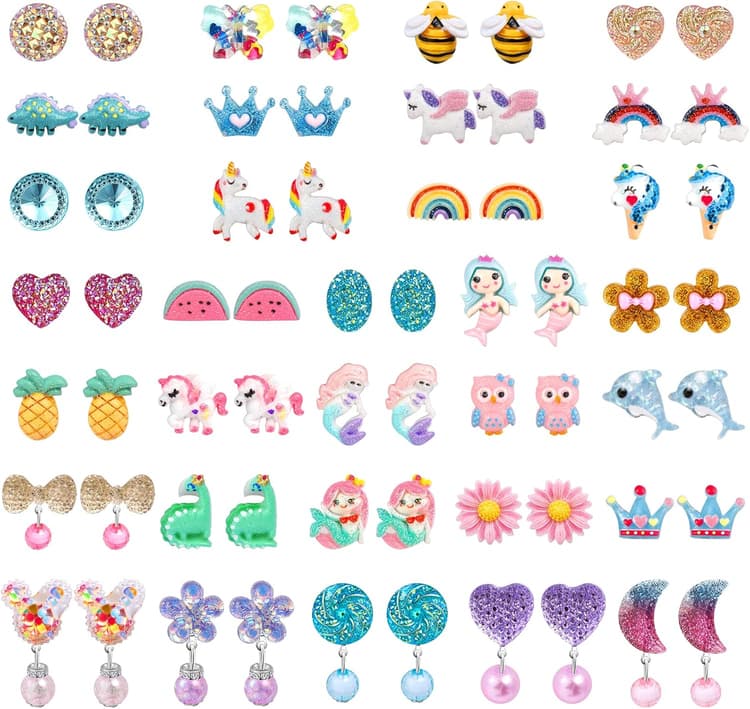
*
DEVIENG
$15.96
$16.98
-6 %
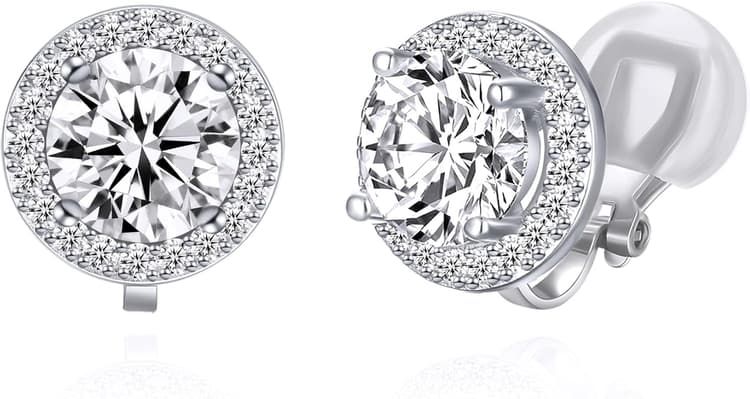
*
YOQUCOL
$9.99
MUYAN
$12.99
FIBO STEEL
$14.99
Tornito
$14.99
NEWITIN
$12.99
Clarify your use case, then map features to outcomes
Before browsing, define a primary use case and secondary priorities: is this for a single event, daily rotation, or is skin sensitivity the main constraint? Practical buying decisions start with a simple matrix that aligns use case with must‑have features and acceptable trade‑offs.
Decision matrix (quick)
| Use case | Must‑have features | Acceptable compromises |
|---|---|---|
| Event (≤ 6 hours) | Decorative front, secure fastenings (screw or strong spring), visual proportion | Higher pressure tolerable, heavier materials OK briefly |
| Daily wear (8+ hours) | Lightweight (<8–12 g per earring where possible), padding, corrosion‑resistant metal | Simpler design preferred over heavy embellishment |
| Sensitive skin | Nickel‑free, 316L stainless or high‑karat gold, hypoallergenic pads | May cost more; avoid thin plating |
Practical cues to decide in store or online
Budget vs lifespan: pragmatic rule
Final tip: prepare a short checklist before visiting a retailer: weight, fastening type, padding presence, metal grade, warranty/returns. Use that checklist to eliminate pairs quickly and objectively, then perform progressive comfort tests on the finalists.
Clip-on earring prices range widely based on several technical and aesthetic factors. Rather than treating price as a sole indicator of quality, identify what each price band actually buys.
Price drivers:
How to interpret price ranges:
Practical recommendation: if you need comfortable, low-maintenance earrings for daily use, invest in a mid- to high-range model focused on materials and mechanism rather than multiple cheap pairs that may wear quickly.
Why systematic testing matters
Comfort for clip‑on earrings is primarily mechanical: pressure distribution, edge geometry and weight determine how long you can wear a pair without pain. Instead of guessing, apply a reproducible test sequence that reveals pressure peaks and rotation tendencies.
Measurement and quick checks
Progressive wear protocol (use this in‑store or at home)
Simple mechanical tests to run
Adjustment and retrofit tips
Resources
For additional comparisons and real product examples, refer to our curated picks at Clip‑On Earrings - Practical Selection and category notes at Clip‑On category. Applying the above tests will reduce returns and ensure a pair that actually fits your daily life.
Matching materials to intended use
Material choice dictates allergy risk, ageing and the maintenance you’ll need. In 2026, jewellery makers increasingly publish metal grades and plating thickness—use those specs when available and prefer explicit mentions like “nickel‑free,” “316L stainless,” “silver 925” or plating µm values.
Common materials — pros & cons (practical table)
| Material | Pros | Cons |
|---|---|---|
| Thick gold plating (≥2 µm) or vermeil | Warm look, often hypoallergenic if underlying metal is silver | More costly than light plating; still can wear with abrasion |
| 14k–18k solid gold | Durable, hypoallergenic for many | High cost, heavier |
| Sterling silver (925) | Attractive patina, durable with care | Tarnishes; may require cleaning |
| 316L stainless steel | Corrosion resistant, low allergy risk | Limited colour options; less “precious” look |
| Base metal alloy (lightweight) | Very light, inexpensive | Often contains nickel; plating may wear quickly |
What to look for on a product page or label
Care to extend lifespan
When durability matters
If you plan daily wear, prioritise 316L stainless or solid precious metals and ask about plating µm. For occasional use, high‑quality plating can be acceptable but expect visible wear sooner. For more examples and category guidance, check the Clip‑On category or our curated picks Clip‑On Earrings - Practical Selection.
To compare effectively, focus on a small set of measurable features and real-use performance. Here is a simple framework for comparing multiple pairs.
Features to compare:
Assessing everyday performance:
Practical comparison method: create a mini-scorecard with 4 to 6 criteria (comfort, hold, material, weight, aesthetics, cost). Assign weights based on your priorities (for example comfort 40%, hold 30%, cost 10%) and add scores to get a clear ranking. This objective approach reduces decisions made purely on looks.
Common beginner mistakes often include:
Expert tips, made practical:
Quick decision guide:
These recommendations are designed to lower returns and increase satisfaction. They draw on straightforward mechanical principles (pressure distribution, hinge quality) and simple user tests you can perform yourself.
YOQUCOL
$9.99
MUYAN
$12.99
Ritach
$9.99
$12.99
-23 %
*FIBO STEEL
$14.99
Tornito
$14.99
NEWITIN
$12.99
TAMHOO
$16.69
FIBO STEEL
$13.99
$15.99
-13 %
*Anne Klein
$16.00
$18.00
-11 %
*DEVIENG
$15.96
$16.98
-6 %
*
LOYALLOOK
$13.59
Oruworu
$14.88
Three prioritized axes
When finalising a purchase, balance comfort, hold and materials. Start from your primary use case (event, daily, sensitive skin) and prioritise the features that directly address it: mechanism type, padding and metal grade.
Actionable checklist (use this at point of sale or before checkout)
Mini scorecard (example weighting)
Final pragmatic tips
For curated comparisons and real product examples, consult our practical selection at Clip‑On Earrings - Practical Selection and Comparison or browse the broader Clip‑On category. Following the checklist and scoring method above will reduce returns and increase long‑term satisfaction.
This guide delivers practical, pedagogical advice based on mechanical principles and common-use observations. It does not recommend specific products nor replace medical advice for severe allergies. Recommendations reflect general scenarios—adapt them to your situation and always test pairs before extended wear. No brands or prices have been invented in this content.
Our guides compare and assess jewelry using objective criteria and expert insight.
We regularly update articles to reflect new releases and recent tests.
We may earn a commission if you buy via our links; this does not influence our editorial selection.
When you click, you are redirected to partner retailers chosen for their reputation.