
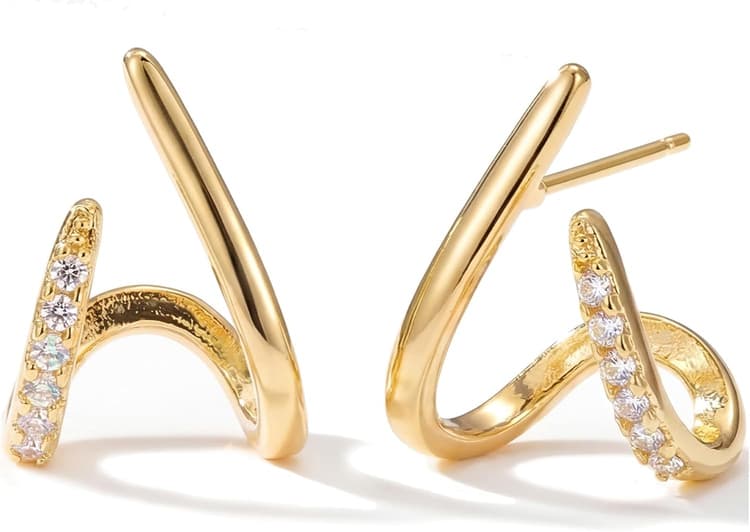
MUMREUES
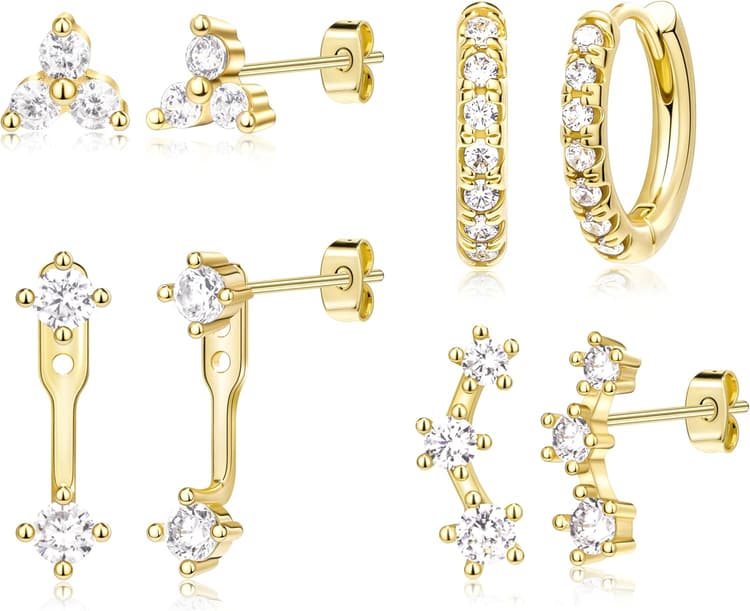
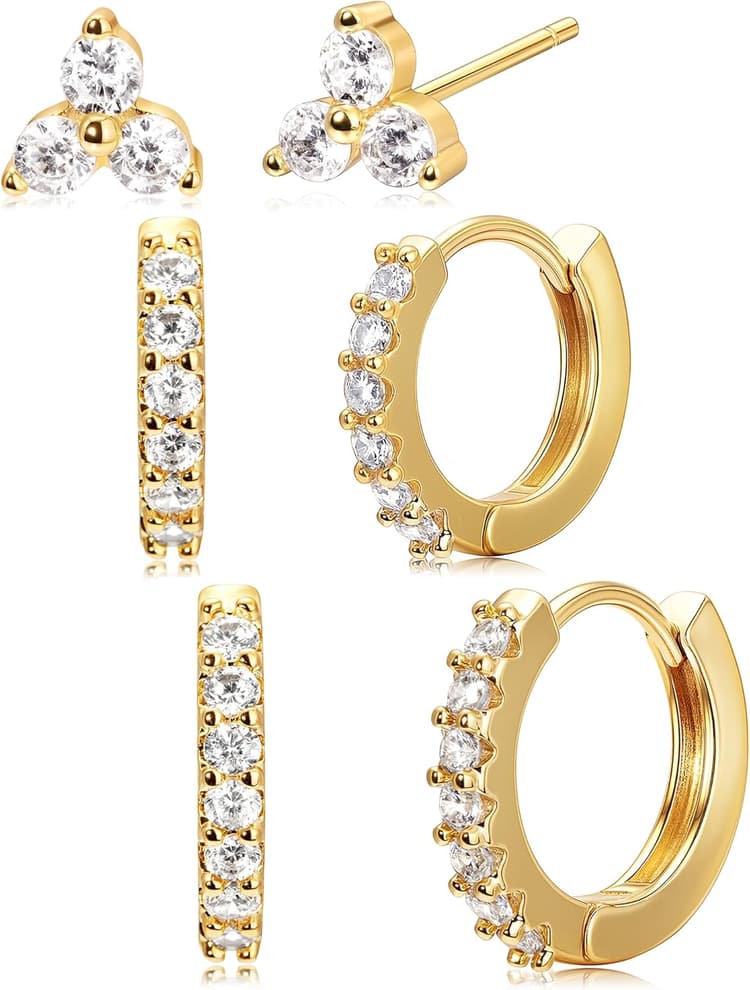
MUMREUES Gold Earrings for Women Trendy 14K Gold Plated Stud Earrings Dainty Minimalis Hypoallergenic CZ Earrings Jewelry Gifts for Her
★★★★☆4.6
$7.99
$9.99
-20 %
*
Product reviewer and deals editor focused on watches, gemstones, and budget-friendly jewelry picks.

Purpose & scope (March 2026 update). This guide is a practical, non‑commercial primer designed to help you buy gold and diamond jewelry with confidence in a market affected by recent gold‑price volatility and growing demand for traceability. It focuses on measurable criteria — hallmarks, 4Cs, alloy composition, setting security, and after‑sale care — so you can evaluate pieces beyond marketing claims.
How to use this guide:
Quick structure (what you’ll find):
| Stage | What it helps you do |
|---|---|
| Preparation | Define use case, style, budget and traceability expectations |
| Comparison | Understand price drivers (material, cut, labor) and durability trade‑offs |
| Verification | Check hallmarks, certificates and finish before payment |
| Aftercare | Simple maintenance and inspection rhythm to extend life |
Why this matters now: markets in early 2026 show pressure on gold prices and increased consumer focus on provenance and lab‑grown alternatives. Use this guide to balance aesthetics, durability and responsible sourcing. For category context and product selections, consult our hub on Gold and Diamond Jewelry and the broader Complete Guides collection for related step‑by‑step help.
Practical tip: print or save the 5‑criteria checklist before shopping and insist on written information for alloy composition and diamond certificates. This will transform subjective impressions into measurable comparisons and reduce buying regrets.
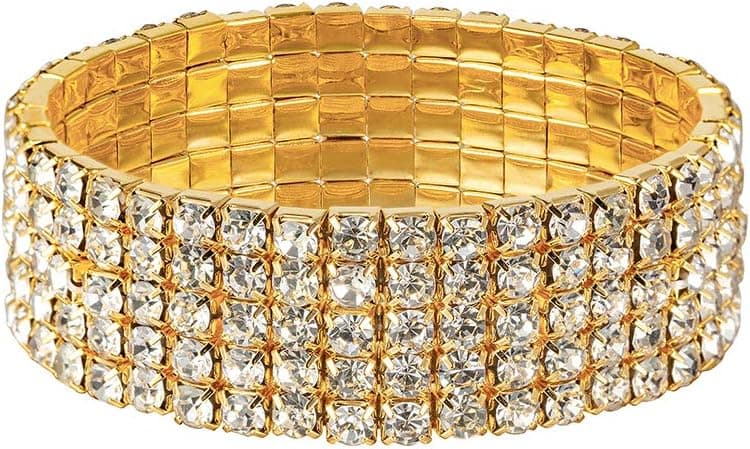
MUMREUES
$7.99
$9.99
-20 %
*
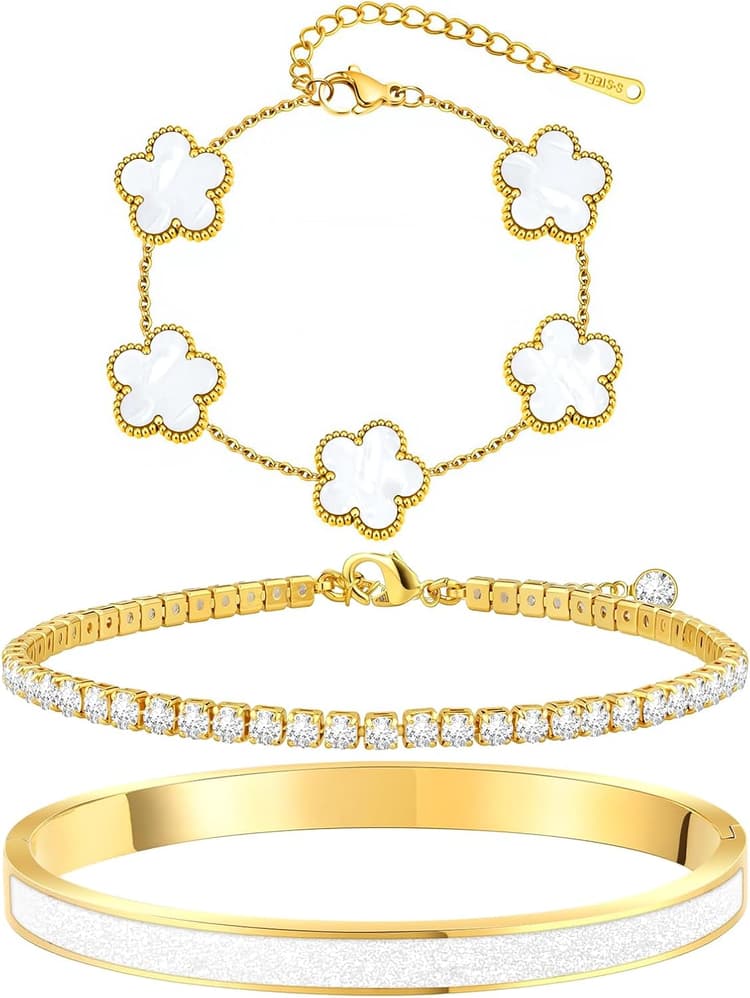
YINLI
$15.99
$17.99
-11 %
*
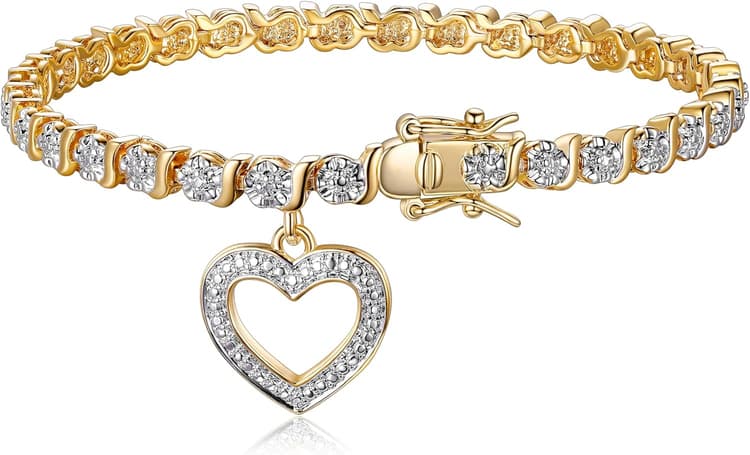
MOINSPIRE
$17.99
$19.99
-10 %
*
MORGAN & PAIGE
$39.99
Poxtex
$11.99
Poxtex
$8.99
REASAYLL
$6.99
Poxtex
$14.99
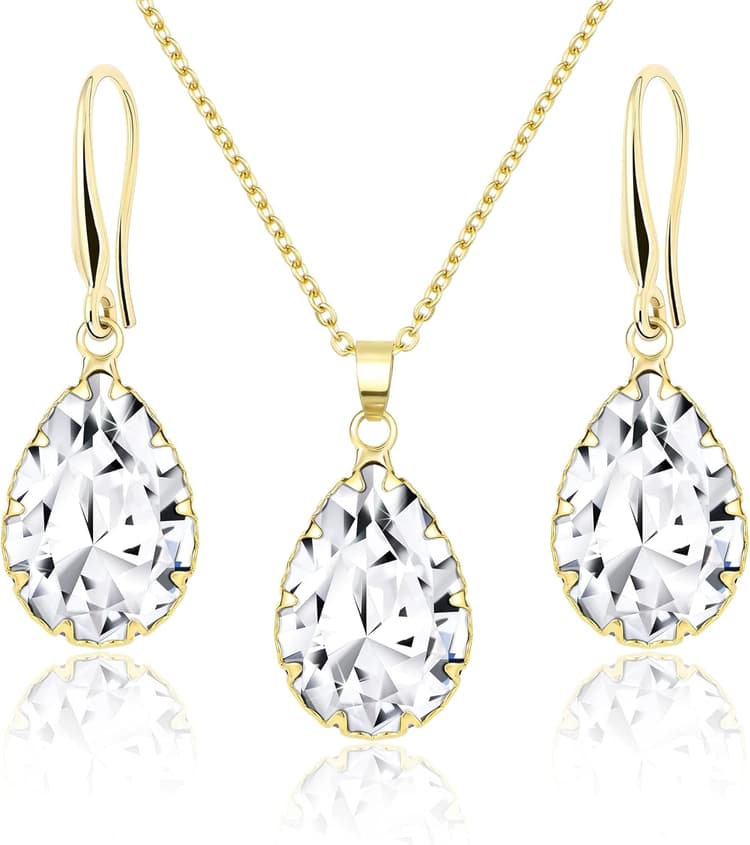
Linawe
$19.99
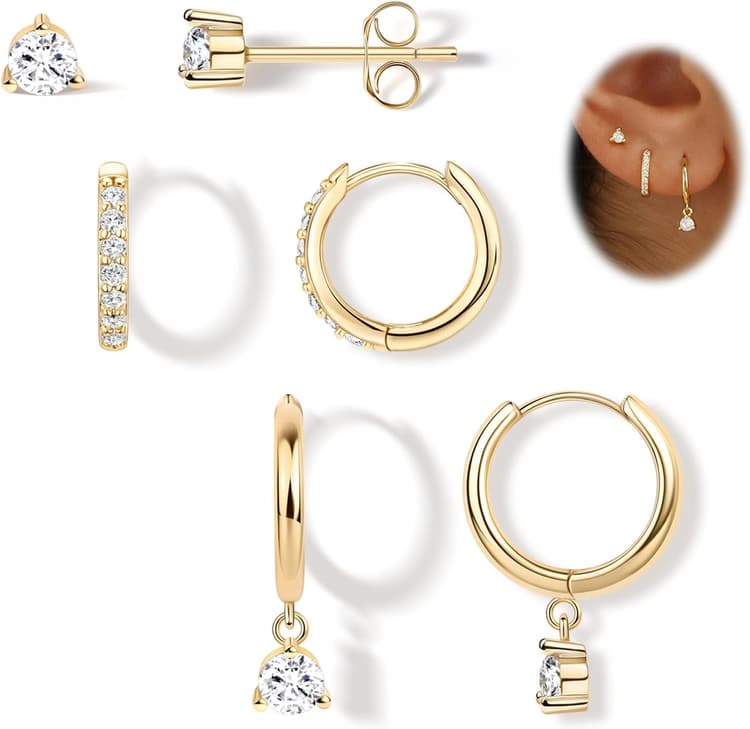
Poxtex
$12.99
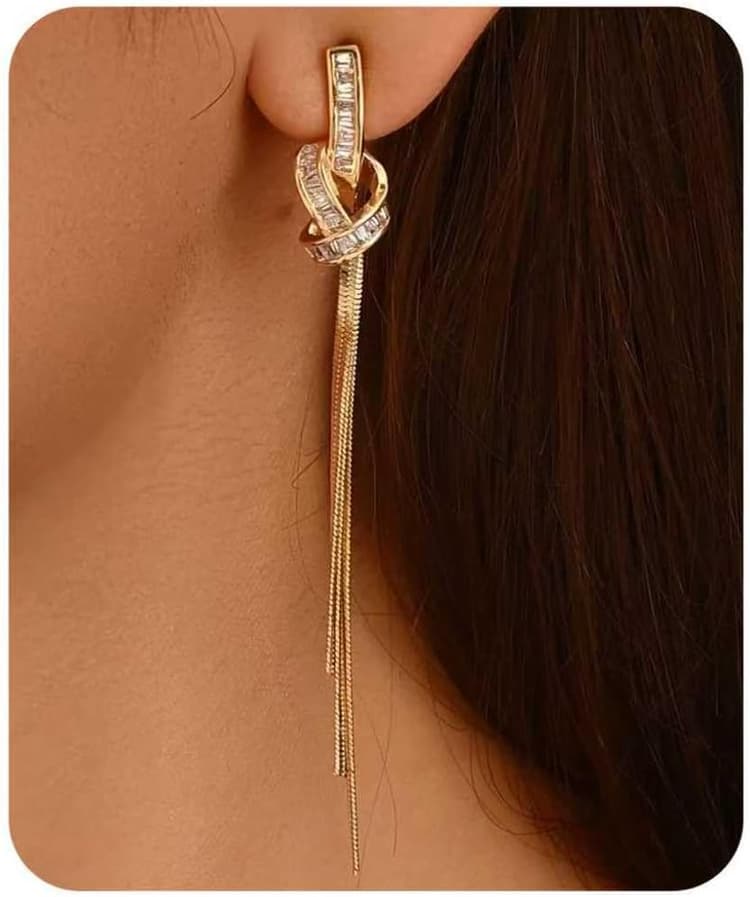
Belle Brighton
$17.99
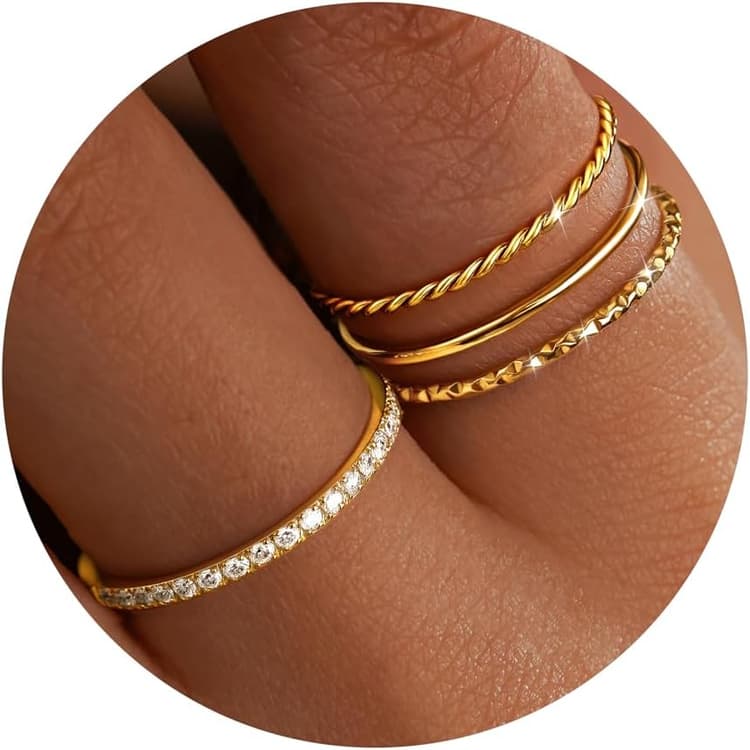
Gelbesty
$12.99
Start by clarifying the intended use. A ring worn every day has different requirements than a piece reserved for special occasions. Ask yourself: how often will I wear this? Will I expose it to manual work, sports, or chemicals? These considerations affect material choice, setting style, and finishing.
Next, define the aesthetic: minimalist, vintage, modern, or ornate. Style influences silhouette (ring profile, setting height, chain type) and comfort. Also think about the colors and outfits you wear most often—yellow gold reads differently against warm tones than white or rose gold.
Account for practical constraints: skin sensitivity (nickel allergies), household safety (young children), and the total budget, including likely repair and maintenance costs. If weight is a concern, try comparable pieces in person to assess how they feel throughout a day.
Finally, rank your priorities. For instance: 1) durability, 2) appearance, 3) price, 4) ease of maintenance. This hierarchy helps you make trade-offs when comparing options. An informed decision combines honest assessment of your needs with an understanding of the technical compromises on offer from jewelers.
Core price drivers (short summary). Jewelry pricing in March 2026 still hinges on a predictable set of components: material weight & purity, gemstone characteristics, labor/finish, design complexity, distribution margin and documentation/traceability. Recent market moves have amplified the material cost variable, so learning which elements are negotiable is essential.
At‑a‑glance table of impact and negotiability:
| Driver | Why it matters | Negotiable? |
|---|---|---|
| Gold purity & grams | Direct material cost; 14K vs 18K affects color and strength | Low |
| Diamond carat & 4Cs | Price scales nonlinearly with carat; cut often affects perceived value most | Medium |
| Setting & finish | Labor‑intensive techniques (micro‑pavé, hand‑engraving) add significant cost | Medium‑High |
| Certification & traceability | Certified stones and audited supply chains add premium but reduce risk | Low‑Medium |
| Distribution & warranty | Retail margin, after‑sales and service levels vary by seller | Medium |
Practical trade-offs and examples:
Checklist when comparing prices:
For market context and recent reporting on gold‑price pressure that affects material cost, see our weekly market summary on gold market tensions and retail initiatives and our curated selections for practical price comparisons in Top Gold and Diamond Jewelry. This will help you separate unavoidable material premiums from negotiable design or distribution markups.
Right sizing and comfort are crucial: an ill-fitting piece loses appeal and can cause skin issues or damage. For rings, measure taking into account daily and seasonal fluctuations: fingers swell in the evening and in warm weather. Measure late in the day and try different band widths—the wider the band, the larger the needed size. Use a ring mandrel in-store or a measuring strip at home; avoid rough estimates.
For bracelets and necklaces, consider movement and layering. A bracelet should allow some play to avoid snagging; sizing for rigid bangles differs from flexible chains. Necklaces come in standard lengths (choker, princess, matinee); use a fabric strip to test where a pendant will sit on your chest.
Earrings require weight consideration: heavy drops pull on lobes and become uncomfortable within hours. Try different closures (post with friction back, lever-back) to find what holds securely and feels comfortable.
Comfort and safety: ask about adjustment options (extender chains, half-size resizes) and whether resizing services are available. From a pedagogical angle, keep a note of your measurements and wear a trial piece for 10-15 minutes in-store to identify rubbing points, tension, or loose settings before buying.
Material science for buyers (what to check). The metal alloy, plating process and gemstone type determine how a piece behaves in daily life. Since 2025–26 consumer interest in traceability and alternative gemstones rose, it's important to pair expectations with the right material choices.
Key comparisons:
Practical inspection checklist before purchase:
Maintenance & longevity table:
| Material/Feature | Typical life under daily wear | Common maintenance |
|---|---|---|
| 14K gold | Many years with surface scratches | Polishing occasionally |
| 18K gold | Many years, softer surface | More careful polishing; avoid hard knocks |
| Vermeil/plating | Months–years depending on wear | Replating required eventually |
| Diamond | Very long (resists scratches) | Prong checks; cleaning |
| Opal/amber | Fragile | Avoid water/chemicals; cautious wear |
If provenance matters, request written traceability and certificates. For practical style vs durability decisions, try comparable pieces and test the setting securement. For category context and curated selections of durable designs, consult our Gold and Diamond Jewelry hub which illustrates common alloy choices and finishing techniques in current market offers.
To compare two pieces quickly, focus on a few clear features: gold weight, diamond carat, cut quality, setting type, and warranty/after-sales service. Gold weight indicates the amount of precious metal; higher weight increases material value. Diamond carat measures mass: 0.50 ct is substantially less costly than 1 ct due to price scaling.
Diamond cut affects brilliance; a well-cut diamond can appear more lively even if color or clarity is average. Color and clarity affect transparency and visible inclusions, but for everyday wear, a mid-range compromise often makes sense.
Setting: bezel or channel settings protect stones better; prong settings showcase gems but risk snagging. Clasps and chain types (cable, box, anchor) differ in strength and flexibility.
Practical comparison method: make a checklist with five criteria (material, size, setting, finish, service) and score each option. For example: two 18K gold necklaces of identical length—if one has a high-quality spring ring and soldered links, it will be more reliable for daily wear, despite similar looks.
From a pedagogical perspective, weight features by intended function: daily-wear pieces should score high on durability and comfort, while special-occasion pieces may prioritize visual impact.
Assessing daily performance means anticipating exposure: water, soap, perfume, household chemicals, and abrasion. Solid gold generally resists corrosion, but polish can scratch; harder alloys reduce micro-scratches. Gemstones vary: diamonds resist scratches, while opal and amber are fragile.
Ask the seller for care recommendations and note suggested check-up intervals. A prong-set stone needs periodic prong inspections; a bezel setting reduces intervention. Common maintenance steps include gentle cleaning with warm soapy water, soft brushing, and storing pieces separately to prevent rubbing.
Practical performance checks: test a pendant's movement on its chain, pull lightly on a clasp to ensure it stays closed, and inspect jump rings for strength. A well-constructed piece will retain function with ordinary wear and allow simple workshop repairs.
Realistic limits: no piece is indestructible. Even durable items need periodic maintenance and will show wear after years of daily use. From a pedagogical stance, set a maintenance schedule (clean monthly, professional check annually) tailored to your usage and materials.
Errors to avoid and simple countermeasures. Buyers still repeat the same mistakes: prioritizing looks over construction, confusing weight with purity, ignoring provenance, and skipping a hands‑on comfort test. In 2026, ask extra questions about source and lab reports — the sector now offers mainstream traceability options and lab‑grown stones with documented origins.
Top beginner mistakes:
Practical expert tips:
Action checklist before purchase:
Ethical & resale notes. If provenance matters, ask for written traceability and retain all paperwork: this increases resale/buyback confidence. For engagement or high‑value purchases, pair this guide with our practical engagement ring resource Practical Guide to Choosing an Engagement Ring and consult our curated Top Engagement Rings to benchmark realistic offers. These habits convert intuition into measurable decisions and materially reduce regret.
MORGAN & PAIGE
$39.99
MUMREUES
$7.99
$9.99
-20 %
*Poxtex
$11.99
Poxtex
$8.99
REASAYLL
$6.99
Poxtex
$14.99
Linawe
$19.99
Poxtex
$12.99
Belle Brighton
$17.99
Gelbesty
$12.99
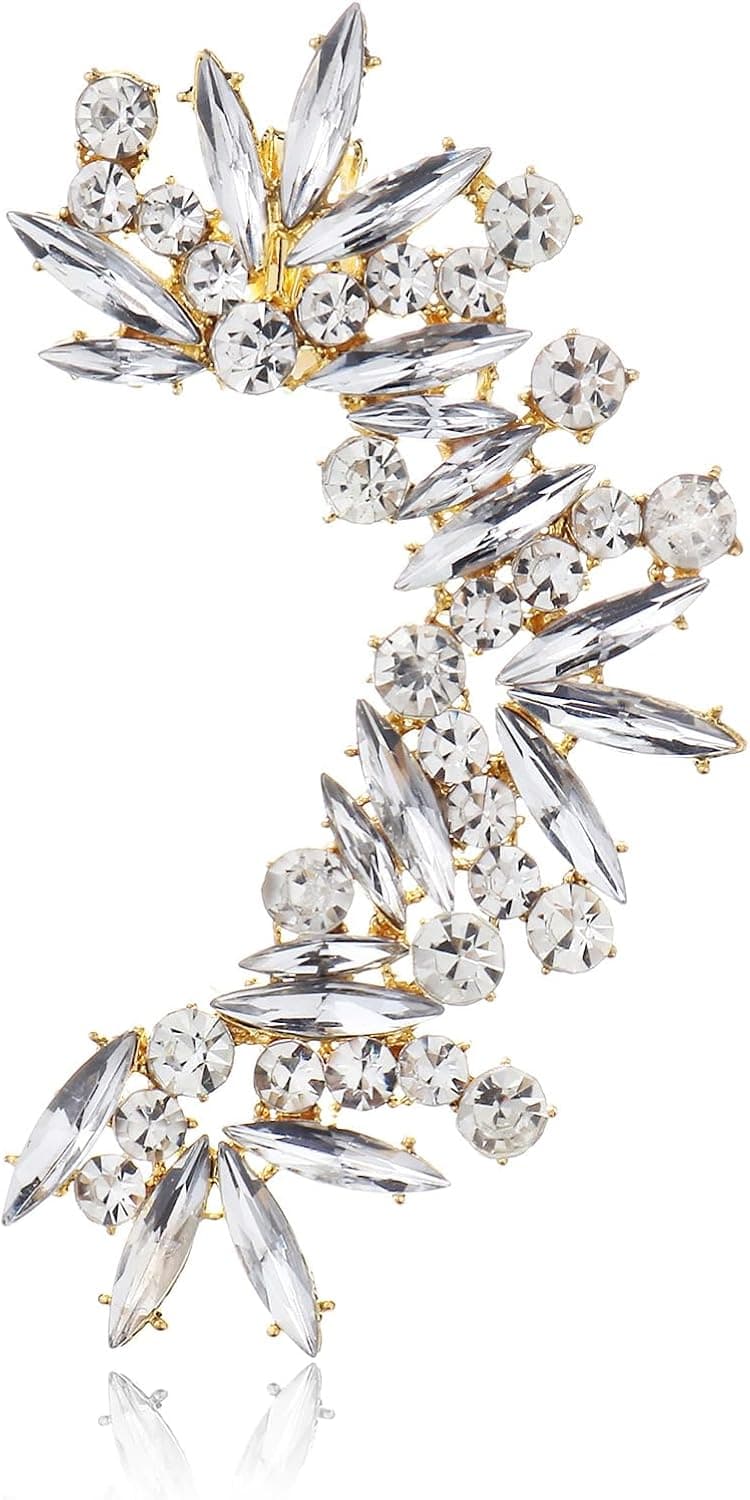
STONEFANS
$9.99
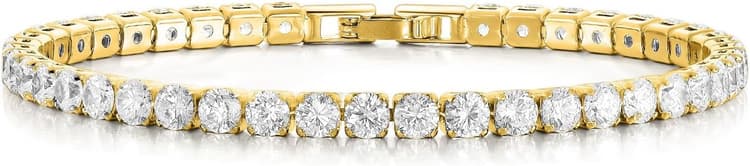
Smxyancht
$11.99
Concise action plan (what to do next). After reading this updated March 2026 guide, follow a short, practical sequence to move from research to purchase with minimized risk:
Pre‑purchase verification:
Maintenance & ownership roadmap:
When in doubt: prefer a slightly smaller but better‑cut stone and a secure setting over the largest carat you can afford. For related step‑by‑step support and concrete curated selections, revisit the Complete Guides hub or our category page for Gold and Diamond Jewelry. These resources provide comparisons and real market examples to benchmark offers.
Final pedagogical note: transform subjective taste into objective questions — ask for hallmarks, view diamonds in natural light, and insist on written service/traceability information. Following this simple plan in 2026 will reduce buyer's remorse and help you own a piece that looks good and lasts.
This guide was written using pedagogical principles and a synthesis of common industry practices. No specific brands or products are cited to remain neutral; recommendations favor measurable criteria (hallmark, the 4Cs, setting type). Editorial choices focused on explaining real trade-offs between appearance, durability, and price. Limitations: this guide does not replace in-depth gemological appraisal for high-value stones. Seek professional examination for major purchases.
Our guides compare and assess jewelry using objective criteria and expert insight.
We regularly update articles to reflect new releases and recent tests.
We may earn a commission if you buy via our links; this does not influence our editorial selection.
When you click, you are redirected to partner retailers chosen for their reputation.