
DENNSHH
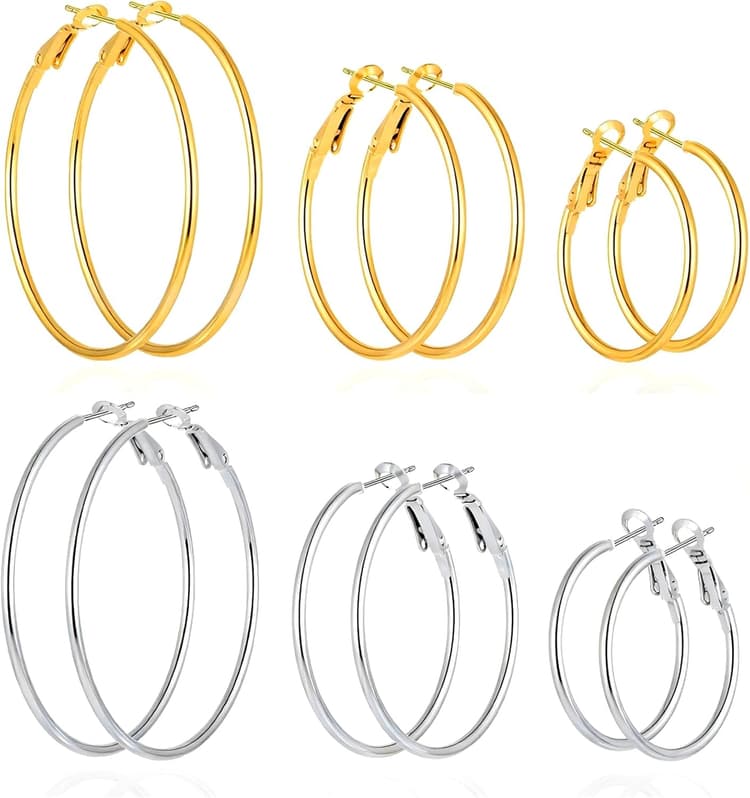
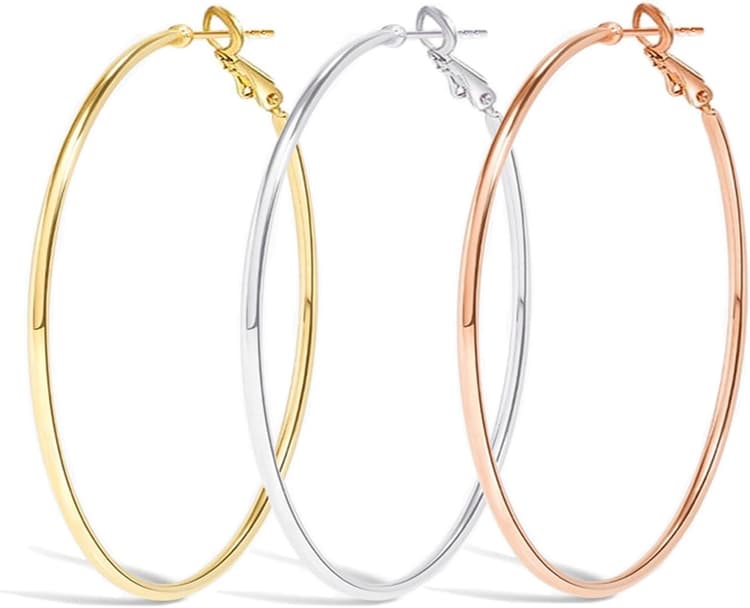
6 Pairs Gold Silver Hoop Earrings for Women 14K Gold Plated 316 Hypoallergenic Stainless Steel Lightweight Large Small Hoops Women Earrings 30/40/50mm Set
★★★★☆4.5
$5.39
$9.99
-46 %
*
Senior jewelry editor specializing in buying guides, trend reports, and honest reviews.

Purpose & scope (March 2026 update)
This guide focuses on the practical decisions that determine whether a pair of hoops becomes a daily favourite or an occasional regret. Since early 2026 the market sees more hybrid materials (PVD-treated base metals, lightweight titanium alloys, and durable polymers) and clearer labelling standards — this guide shows how to read those labels, test comfort, and prioritise features for real‑life use.
What you will learn
Quick decision framework
| Question | Practical outcome |
|---|---|
| Will I wear them daily? | Prefer durable metal (titanium, stainless, solid 14k gold) and hinged/click closures. |
| Do I have sensitive skin? | Start with 316L stainless or titanium; avoid unknown alloys and cheap plating. |
| Do I wear helmets or hats? | Choose smaller diameter and slimmer profile to prevent catching. |
How this guide connects to our other resources
For detailed category browsing and curated picks see the Hoop Earrings hub and the broader Hoops category for sizing examples and top products. These links reflect live selections and comparative lists used by editors in March 2026.
Use the short checklists and visual scale tests here before you buy — they will save time and reduce returns. The emphasis is neutral and practical: no single material wins for every user, but the steps below help you choose the best compromise for your life and budget.
DENNSHH
$5.39
$9.99
-46 %
*
Senteria
$9.90
$16.99
-42 %
*
FriBasics
$8.99
$14.99
-40 %
*
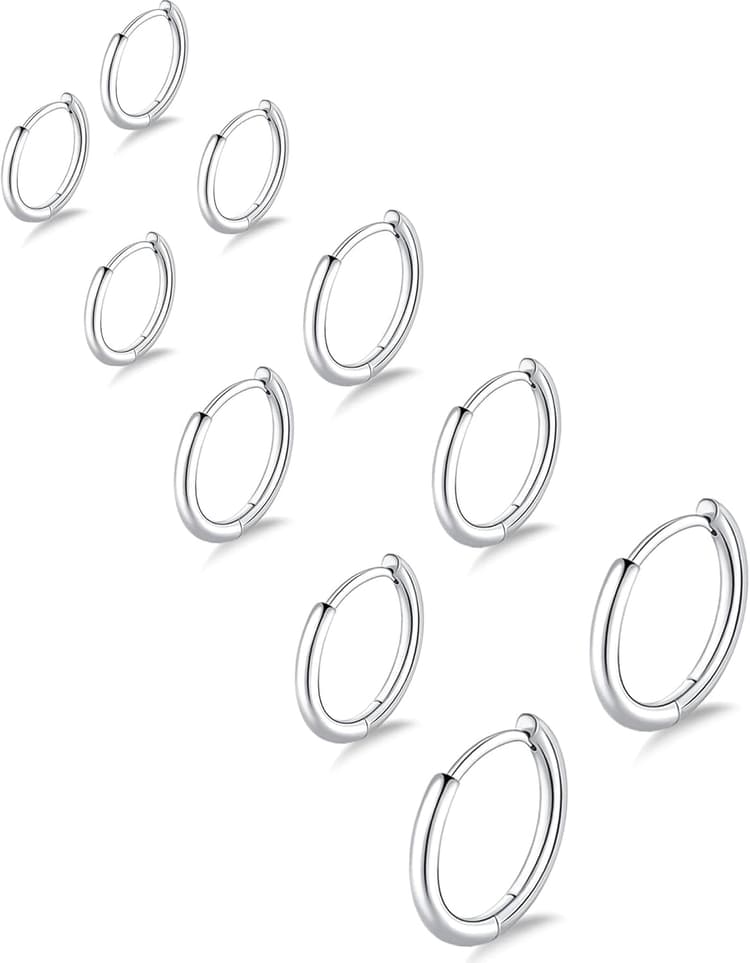
PICKBEAU
$7.48
$9.98
-25 %
*
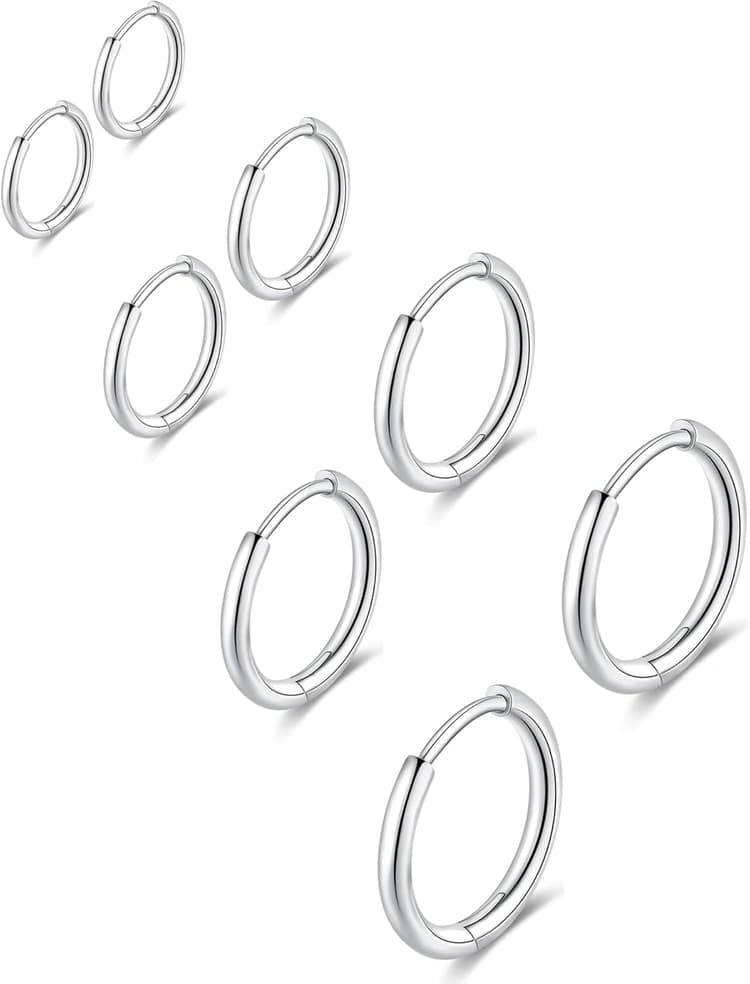
Gokeey
$9.98
$12.99
-23 %
*
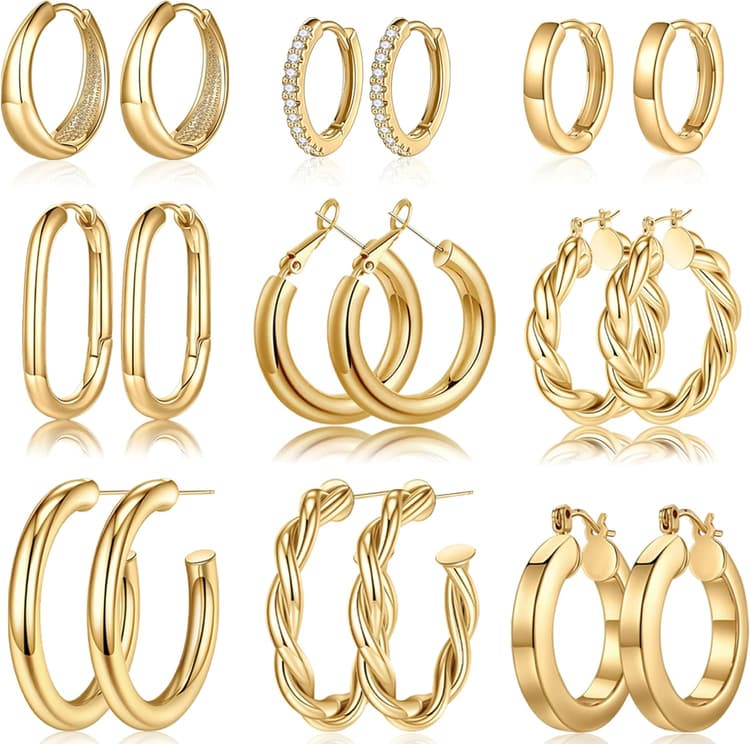
Gabry&jwl
$12.99
$14.99
-13 %
*
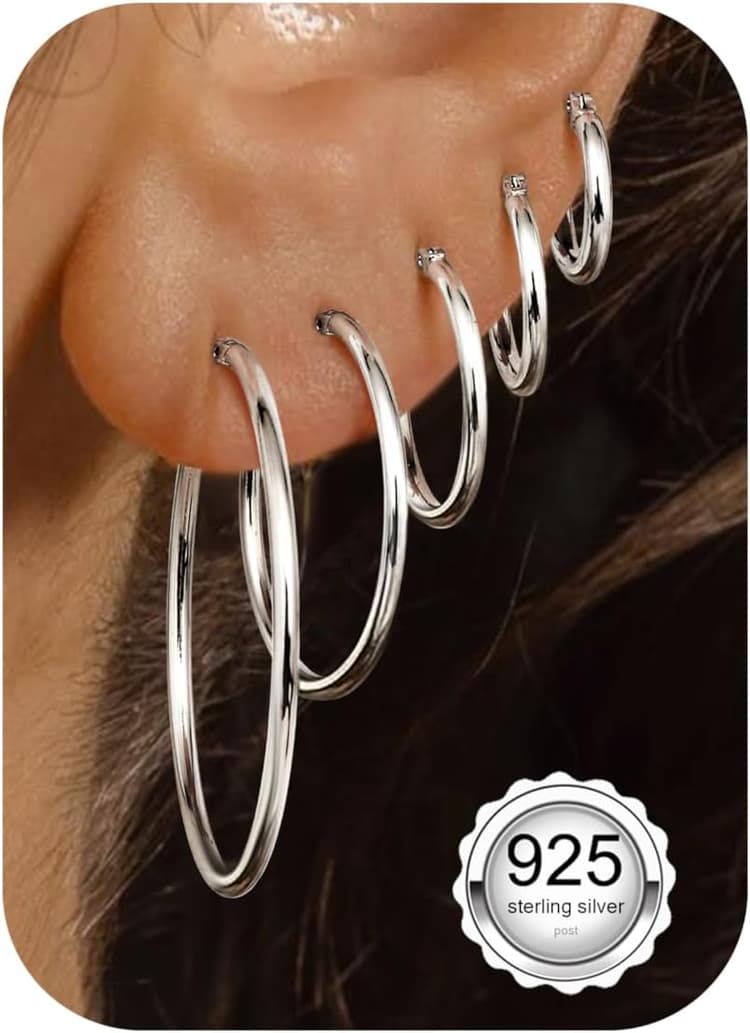
Yesteel
$13.99
$15.99
-13 %
*
FUNRUN JEWELRY
$14.98
$16.99
-12 %
*
Cocadant
$6.85
adoyi
$13.99
OOOPEL
$15.99
FANDY
$9.88
Start with three simple, actionable steps
Practical checklist (use this before clicking “add to cart”)
Visual & tactile tests to perform in store or at home
Short decision table
| Priority | Recommended features |
|---|---|
| Comfort (daily) | Diameter ≤ 30 mm, weight low, hinged/click closure, 316L or titanium |
| Durability (work/active) | Thicker jonc, welded design, PVD or solid metal finish |
| Statement (occasional) | Larger diameter, hollow forms or resin for lightness |
Related reading
If you need help comparing materials see our category pages for Hoop Earrings and curated picks at Hoop Earrings hub. Using the checklist above will let you eliminate unsuitable models quickly, narrowing choices to those that match your lifestyle and tolerance.
Hoop prices span a wide range based on material, manufacturing method, finish, closure complexity, and embellishments like stones or engraving. A straightforward breakdown:
Cost drivers:
Practical tip: for everyday wear, a good mid-range option—quality stainless steel or sterling silver—often offers the best value. If you wear hoops constantly or have sensitive skin, investing in higher-grade metal like titanium or 14k gold can save money over time by reducing replacements and irritation.
Key measures to read and test
Two metrics matter most on a spec sheet: diameter (inner vs outer) and gauge/thickness — plus listed weight when available. Together these predict how the hoop will sit and how it will feel after hours of wear.
Practical measuring & comparison steps
Comfort rules of thumb
Quick at‑home test (before long wear)
Visual aids and product pages
Prefer pages with photos showing scale (model shots) and a mm chart. For size comparisons and curated examples updated March 2026, see our Hoop Earrings hub and the category Hoops. Using these measures will help you predict fit more reliably than style alone.
How material drives performance
Materials define weight, corrosion resistance, hypoallergenicity and repairability. In 2026, clearer alloy labelling and wider use of PVD coatings mean you can often judge longevity from the spec — but you still need to prioritise based on use.
Material profiles (practical summary)
Practical buying rules
Simple tests and questions to ask a seller
For product examples and picks updated in March 2026, consult our curated Hoop Earrings hub. Armed with the rules above you can evaluate listings quickly and select a material that matches your tolerance, budget and life‑rhythm.
When choosing between two models, compare these features closely. Short, practical explanations and what they mean for daily wear:
Quick comparison method:
Concrete example: for office wear you want subtlety (diameter <30 mm), comfort (roughly <2 g per earring if listed), and hypoallergenic metal. A plated 40 mm hoop would not fit, so it gets eliminated.
Assessing everyday performance means predicting how hoops will cope with real-life wear: rubbing, sweat, water exposure and cosmetic products. Key observations and simple maintenance steps:
Routine care:
Practical tip: trial a new pair over a week by wearing them a few hours daily before committing to continuous wear. This reveals any weight discomfort or skin reaction without risking long-term use.
Common mistakes and down-to-earth tips to avoid them:
Practical expert tips:
In short, most disappointments are preventable: checking measurements, material and closure quality turns an impulsive buy into a lasting, satisfying choice.
PICKBEAU
$7.48
$9.98
-25 %
*Gokeey
$9.98
$12.99
-23 %
*Cocadant
$6.85
Gabry&jwl
$12.99
$14.99
-13 %
*adoyi
$13.99
OOOPEL
$15.99
Yesteel
$13.99
$15.99
-13 %
*Senteria
$9.90
$16.99
-42 %
*FANDY
$9.88
FriBasics
$8.99
$14.99
-40 %
*FUNRUN JEWELRY
$14.98
$16.99
-12 %
*DENNSHH
$5.39
$9.99
-46 %
*Bottom line — how to buy with confidence (March 2026)
Choosing hoops is a balance of looks, comfort and durability. Apply a short decision filter before purchasing: 1) Confirm the material (stamped alloy or specific composition). 2) Check exact diameter (ID/OD) and weight; prefer smaller diameters for daily wear. 3) Insist on a secure closure for active lifestyles.
3‑step buying shortcut
Maintenance & lifespan
When to invest more
If you plan to wear a pair every day, have sensitive skin, or want low‑maintenance pieces, invest in higher‑grade metals (titanium, solid 14k gold, quality 316L stainless). The upfront cost often offsets frequent replacements and irritation.
Further reading & selection tools
For curated selections and up‑to‑date product examples see the Hoop Earrings hub and the category overview Hoops. These resources, refreshed March 2026, complement this guide with real product benchmarks and editor picks.
Follow the checklist and simple tests in this guide and you will reduce returns, avoid skin reactions and find hoops that stay comfortable and attractive over time.
This guide was written to give practical, objective criteria for choosing hoops suitable for different uses. The content is based on general principles of ergonomics, materials and care. It does not promote specific products or brands. Recommendations are intended to be neutral and helpful for purchase, maintenance and selection according to your priorities.
Our guides compare and assess jewelry using objective criteria and expert insight.
We regularly update articles to reflect new releases and recent tests.
We may earn a commission if you buy via our links; this does not influence our editorial selection.
When you click, you are redirected to partner retailers chosen for their reputation.