
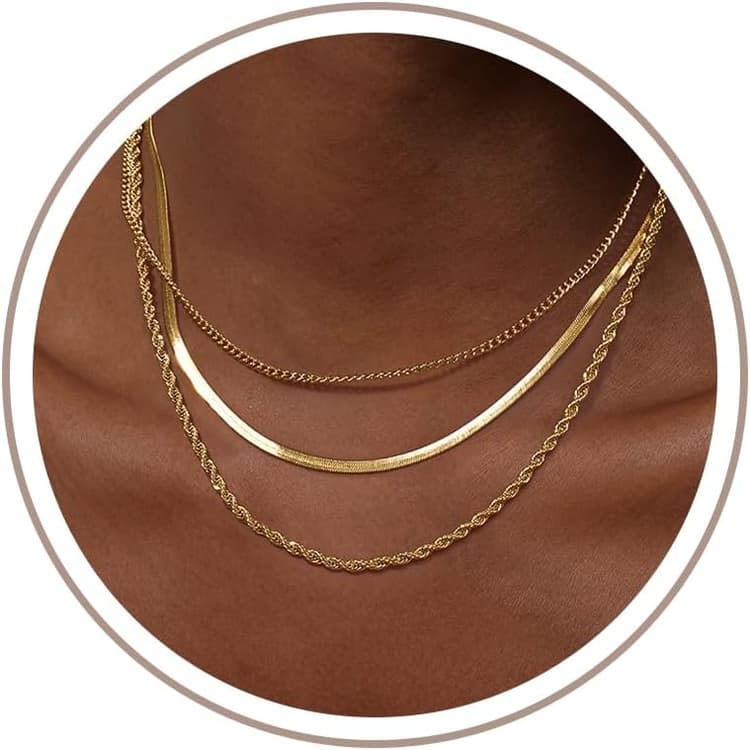
Freekiss
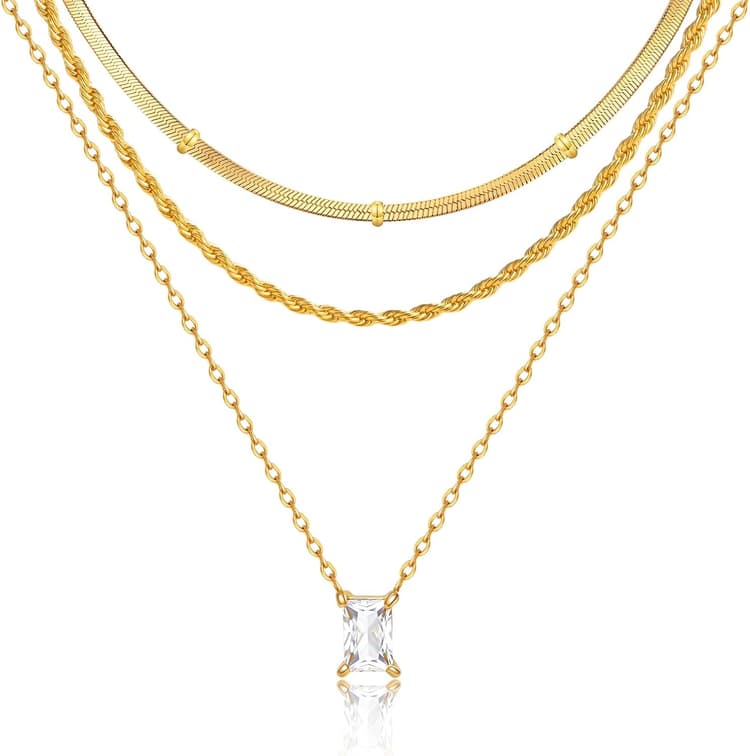
Freekiss Women's Layered Necklace Set - 3 Piece Dainty Gold Jewelry for Everyday Stacking | 14K Gold Plated Snake Chain, Rope Chain, Cuban Chain | Adjustable Length 14-18.5 Inch | Gift Ready
★★★★☆4.4
$14.99
$19.99
-25 %
*
Senior jewelry editor specializing in buying guides, trend reports, and honest reviews.

Why read this guide (updated March 2026)?
This guide converts technical jewelry facts into fast, repeatable shopping actions so you can assemble layered necklaces that last and feel good to wear. Since early 2026 we’ve seen clearer options in traceable materials and more modular clasps on mainstream pieces — this update highlights practical checks to use in stores and online. Key goals:
What’s included (visual checklist):
| Decision | Quick check (30s) |
|---|---|
| Intended use | Daily / occasional / formal — pick metal accordingly |
| Comfort | Weigh & move test: do pendants hit chest or interfere with clothing? |
| Durability | Soldered rings, clasp type, plating thickness stated |
How to use this guide in practice:
For examples and curated selections that align with the teaching here, see our related roundups on Layered Necklaces — Selections and Buying Tips. This guide is deliberately brand‑neutral: its checks work whether you buy costume, sterling or solid gold pieces. Follow the stepwise method here to avoid impulse buys that look good but fail within months; instead you’ll build stacks that remain attractive and robust in 2026 and beyond.
Freekiss
$14.99
$19.99
-25 %
*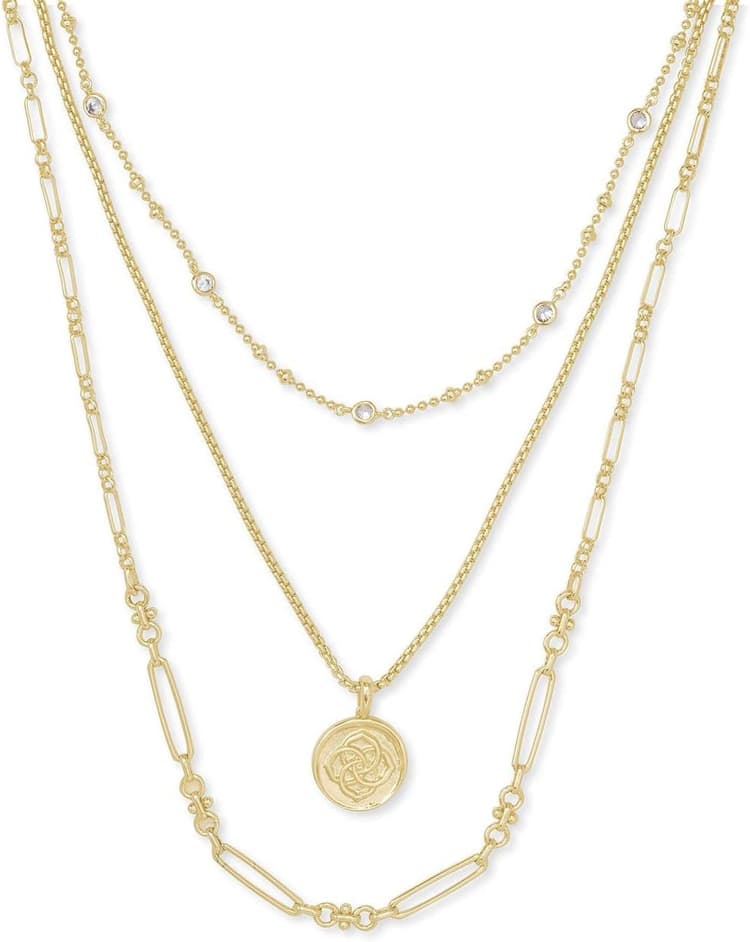
$90.21
$120.00
-25 %
*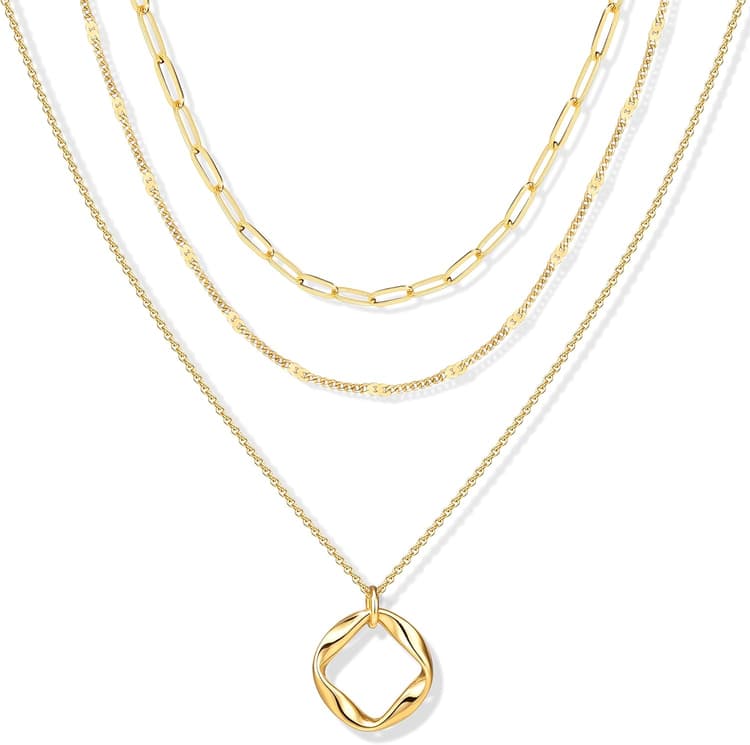
Poxtex
$9.99
$12.99
-23 %
*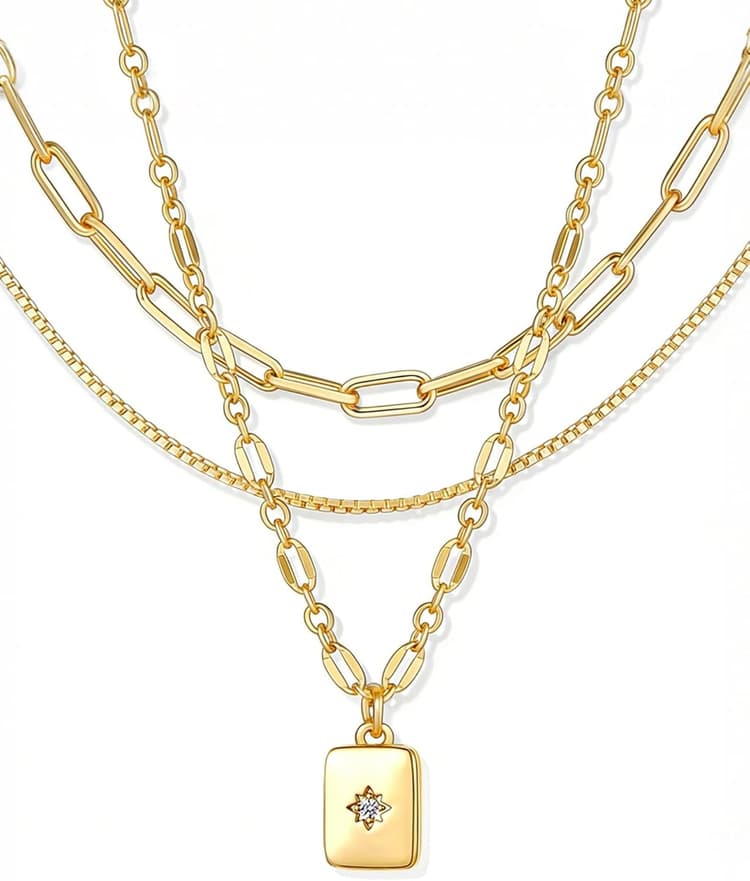
YEEZII
$9.99
$12.99
-23 %
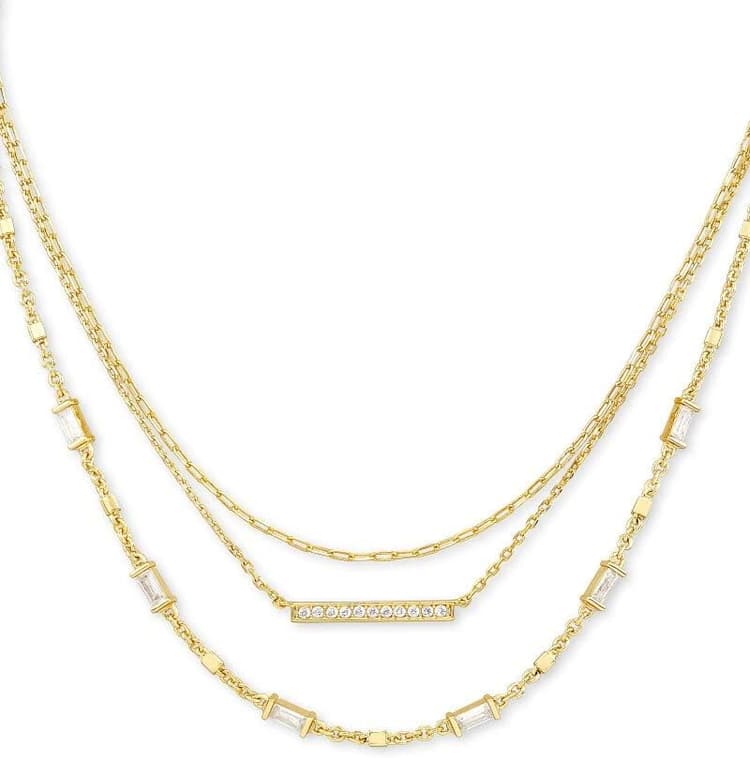
*
Kendra Scott
$79.82
$98.00
-19 %
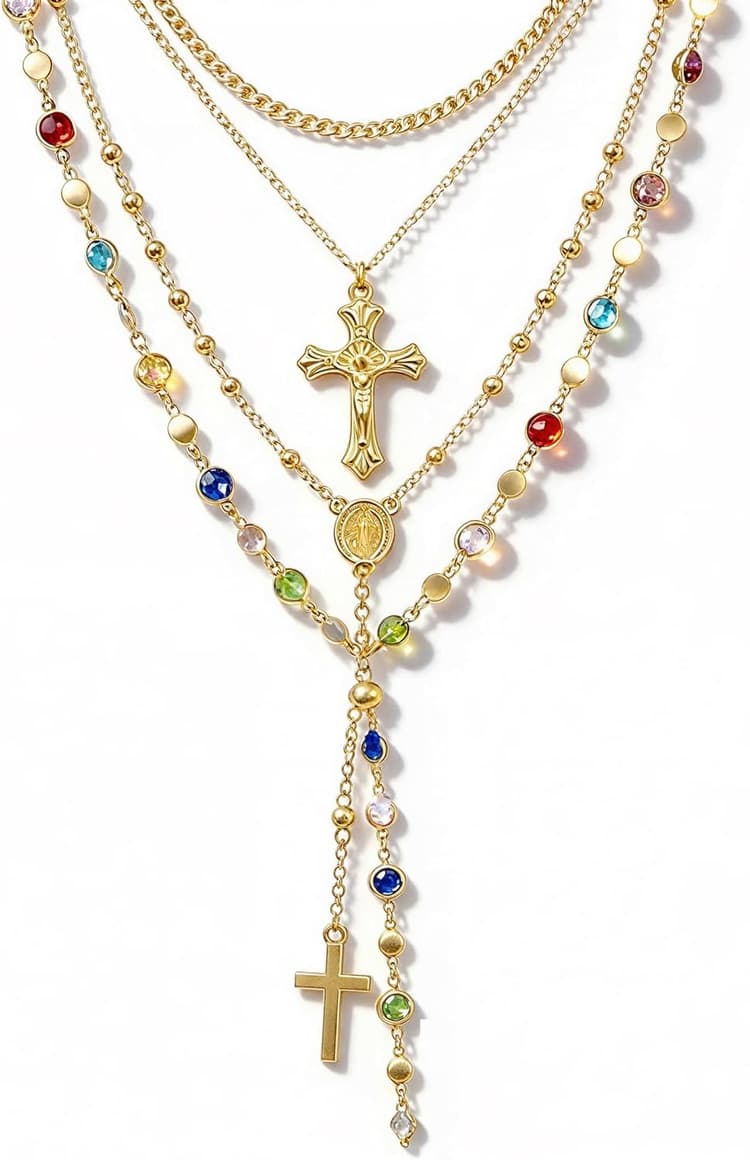
*
ÌF ME
$9.99
$11.99
-17 %
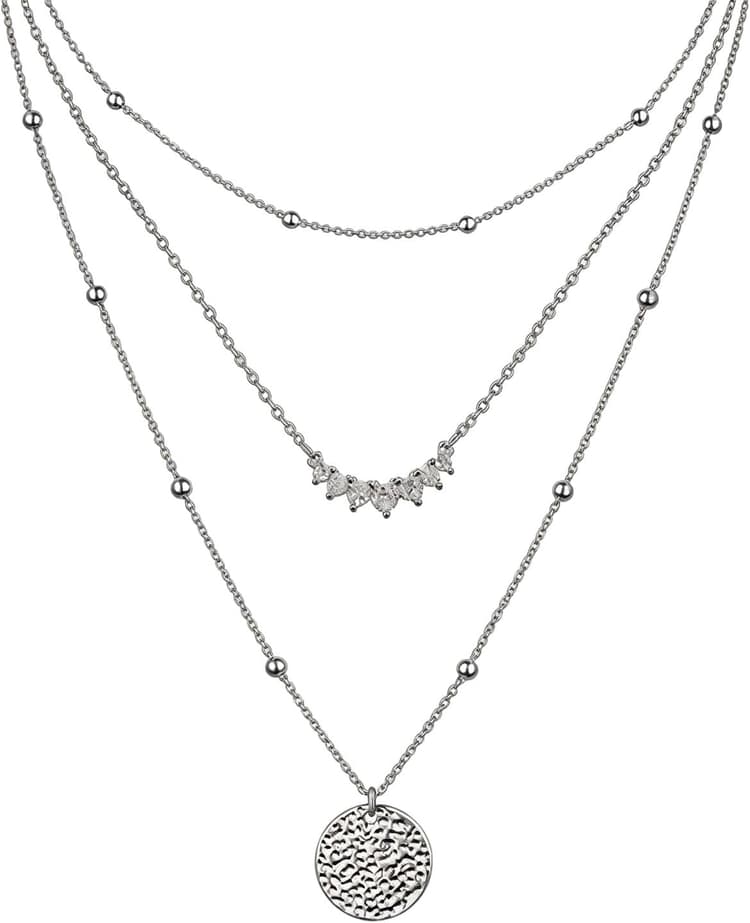
*
Wouputy
$7.99
$8.99
-11 %
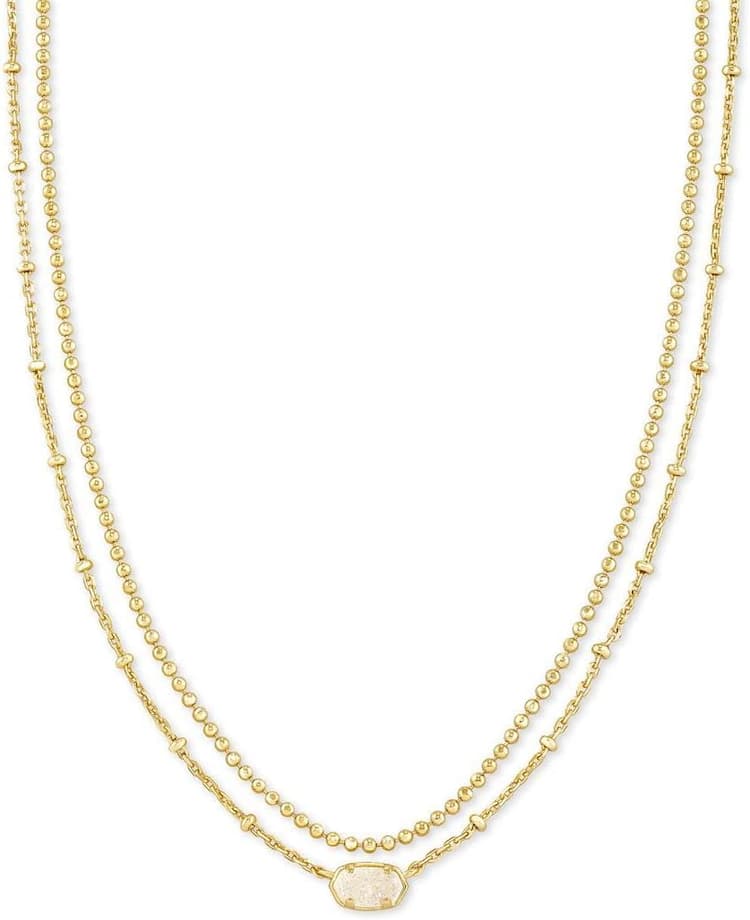
*
Kendra Scott
$75.00
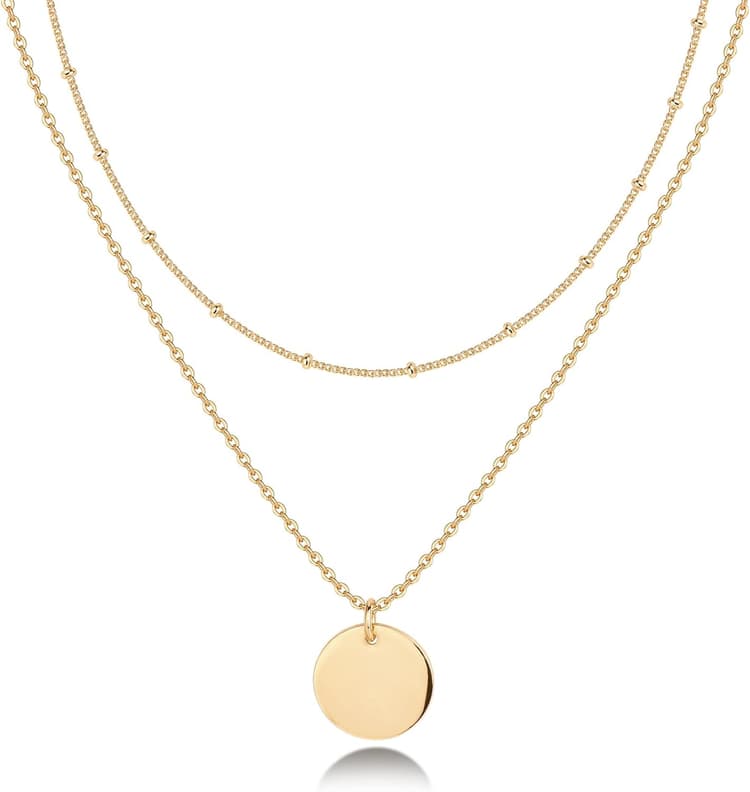
PAVOI
$14.95
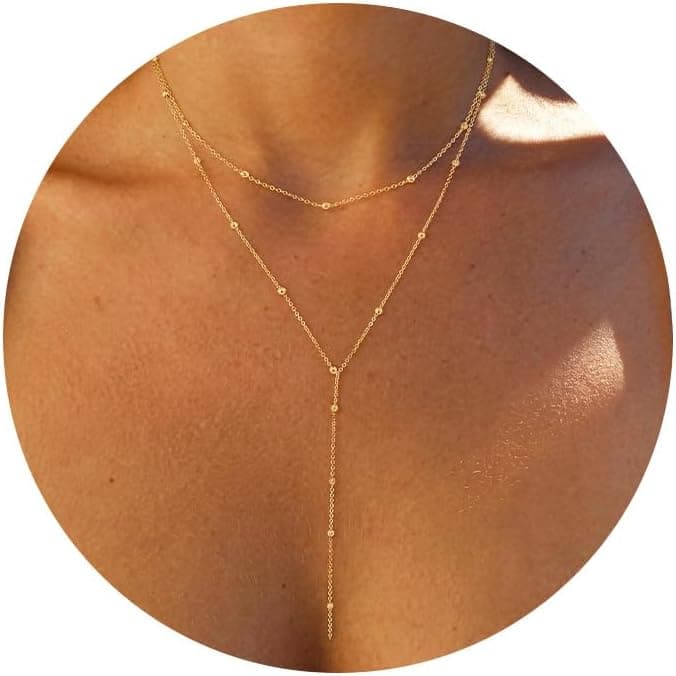
Foxgirl
$9.99
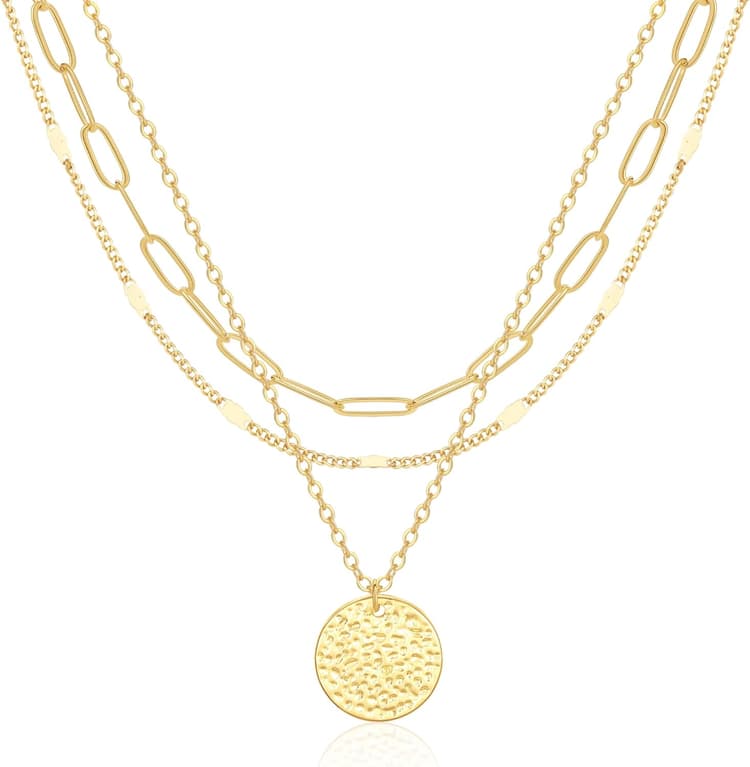
JECOMY
$12.99
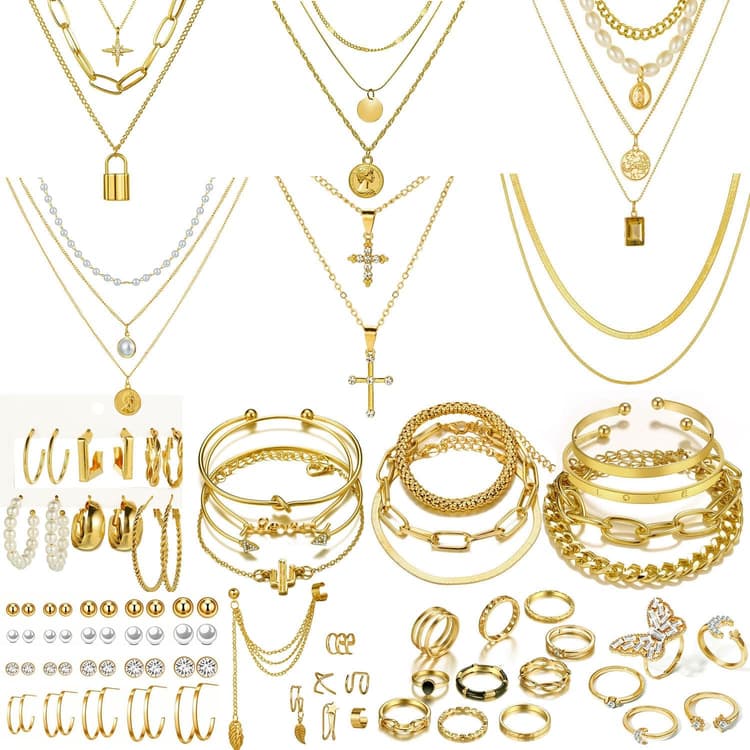
CONGYING
$16.69
Start with use-cases, not looks. In 2026 styling trends still favour versatility: many shoppers now choose stacks that transition from remote work to evening events. To make decisions quickly, create a short matrix of where and how you’ll wear the set. Use this template when browsing:
Practical translation (examples):
Physical constraints and skin sensitivity:
Quick in-store checklist (30–60 seconds):
Why this matters: Good initial analysis avoids buying based on imagery alone. Test combinations over the clothing you plan to wear and simulate motion — lift your arms, bend forward, turn your head. Small real‑world checks reveal overlapping pendants, snag points and clasp discomfort. When you need curated product ideas that follow these rules, consult our selections at Layered Necklaces — Selections and Buying Tips which group options by use-case. This structured approach saves time, prevents returns, and builds a layered wardrobe that actually fits your life in 2026.
Break prices into three transparent buckets: material, manufacture, and extras.** Since early 2026, market sensitivity around traceability and gold pricing means buyers often pay a premium for certified metal origins or responsibly sourced pearls. Use the following practical checks when evaluating a price tag:
Material: solid gold (9k/14k/18k), sterling silver, gold-filled/vermeil, stainless steel, brass.
Manufacture: handmade finishes, complex link types (rope, snake, tubular) and hand-soldered pieces cost more. Machine-made simple cable chains are cheaper and often perfectly adequate for daily wear.
Extras: natural stones, cultured pearls, enamel, special clasps and repair warranties increase price and sometimes long-term value.
Practical pricing examples:
How to judge value vs price:
If you want curated picks arranged by price and reliability, see our companion Layered Necklaces — Selections and Buying Tips. In short: higher price often reflects better materials or workmanship, but the best deals come from transparent specifications and warranties rather than brand alone. Use these updated 2026 cues to prioritise long-term value over momentary trendiness.
Correct sizing prevents overlap and improves wearability. In 2026 we recommend a measurement-driven approach combined with movement testing. Follow these steps:
1) Measure with intent:
2) Use standard layering increments:
3) Comfort tests (do these in-store or at home):
4) Consider clasp and stopper choices:
Quick practical table:
| Goal | Test | Adjustment |
|---|---|---|
| Prevent overlap | 5–8 cm spacing + movement test | Increase longest chain by 2–4 cm if overlap occurs |
| Improve comfort | Weight & movement test | Swap heavy piece to longer position or choose flatter links |
| Ease of use | One‑hand clasp test | Prefer lobster or secure magnetic with secondary lock |
For curated chain options and length guides that follow these sizing rules, see Necklace Chains — Selection and Practical Advice. Small, repeatable checks at purchase time eliminate most fit issues and ensure your layered necklaces behave as intended when you move, sit or hug someone — real-world wearability that matters in 2026.
Material choice predicts maintenance and lifetime. Use this clear, practical checklist updated for March 2026 to assess pieces before buying.
Primary material categories and practical notes:
Ornaments & settings:
Construction details that matter more than finish:
Simple durability test to perform:
For product selections that prioritise durable materials and explain composition clearly, consult our themed picks on Practical picks for silver jewelry or the layered necklace selections. These checks save time and help you prioritise long‑term wearability over transient trends — the most reliable pieces in 2026 are those with transparent specs and robust construction.
Score candidate necklaces across five features and choose by priority. Use this practical, reproducible method when comparing products in March 2026: create a simple 1–5 scorecard for each feature, weigh them by your priorities (comfort, longevity, aesthetics) and total the score.
Five features to score:
Sample scoring table (example):
| Feature | Priority weight | Option A score | Option B score |
|---|---|---|---|
| Adjustable length | 3 | 4 | 2 |
| Clasp type | 2 | 5 | 3 |
| Chain thickness | 2 | 3 | 4 |
| Metal finish | 1 | 3 | 4 |
| Accessories | 2 | 4 | 2 |
| Total (weighted) | (34+25+23+13+2*4)= 34 | …= 28 |
Decision rule: choose the option with the higher weighted score relative to your top priorities. This removes guesswork and lets you compare across brands and price tiers.
For concrete product comparisons organised by these exact attributes, consult our curated lists such as Necklace Chains — Selection and Practical Advice which group chains by link type and use. Using a scoring method prevents emotional overspend and ensures your layered set performs the way you expect in real life.
Common mistakes are predictable — avoid them with quick rules. Below are recurring beginner errors and clear remedies distilled from 2026 shopping behaviour.
Mistake 1 — Buying without spacing checks: Many stacks fail because buyers don’t test spacing. Remedy: always simulate the 5–8 cm spacing rule on your own body or with chain samples.
Mistake 2 — Ignoring clasp & ring construction: Unsoldered jump rings and flimsy spring rings cause most losses. Remedy: prioritise soldered rings and test clasps twice.
Mistake 3 — Choosing only for visuals: A pretty plated piece that irritates skin or flakes in weeks is a false economy. Remedy: invest in at least one solid‑metal midpiece and use cheaper plated accents.
Mistake 4 — Expecting thin plating to last: Very thin plating (no thickness stated) will fade at contact points. Remedy: look for stated microns or the terms vermeil / gold filled.
Accessible expert tips (actionable):
Practical one‑page checklist to carry when shopping:
For product picks that conform to these simple rules and are grouped by reliability and price, see our layered selections. Applying these quick checks prevents the most common failures and saves you time and money while building an attractive, long‑lasting layered wardrobe in 2026.
Poxtex
$9.99
$12.99
-23 %
*Kendra Scott
$75.00
Freekiss
$14.99
$19.99
-25 %
*Kendra Scott
$79.82
$98.00
-19 %
*PAVOI
$14.95
Foxgirl
$9.99
YEEZII
$9.99
$12.99
-23 %
*JECOMY
$12.99
$90.21
$120.00
-25 %
*ÌF ME
$9.99
$11.99
-17 %
*CONGYING
$16.69
KSF
$14.99
Final checklist and realistic expectations for 2026. Building layered necklaces is a multi‑step decision: define use, measure precisely, prioritise durable construction, and accept that some plated accents may need replacement. Below is a compact, actionable summary.
Three starter actions:
Maintenance & lifecycle expectations:
Buying strategy for value:
One‑page final checklist (carry while shopping):
For curated recommendations that align with this pragmatic method, consult our selections such as Layered Necklaces — Selections and Buying Tips. Apply the steps above on your next purchase: they convert technical details into plain, quick checks and help you assemble layered looks that are attractive, comfortable and long‑lasting in 2026.
This guide was written independently to provide impartial purchasing criteria for layered necklaces. It contains no commercial endorsements or brand promotions. Information is based on common jewelry principles and tested maintenance practices. No fabricated numerical data is presented. The goal is educational: to help readers make informed choices.
Our guides compare and assess jewelry using objective criteria and expert insight.
We regularly update articles to reflect new releases and recent tests.
We may earn a commission if you buy via our links; this does not influence our editorial selection.
When you click, you are redirected to partner retailers chosen for their reputation.