
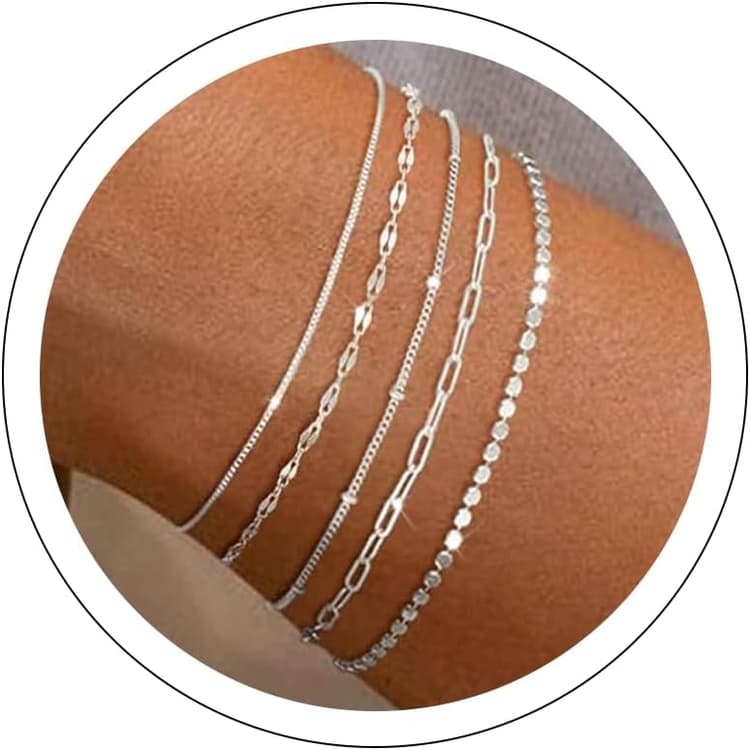
MBW
MBW Silver Plated Bracelets for Women, Dainty Silver Bracelets for Women Set Bracelet Stack Waterproof Jewelry for Women Trendy Minimalist Simple Small Thin Bracelet Set for Women Teen Gift
★★★★☆4.4
$12.99
$14.99
-13 %
*
Senior jewelry editor specializing in buying guides, trend reports, and honest reviews.

Purpose and scope (March 2026 refresh)
This guide is strictly educational and aims to give you verifiable, practical benchmarks to evaluate silver jewellery before purchase in the current market. Since March 2026, two buyer trends matter more than before: clearer consumer-facing traceability statements from mid-market brands, and a measurable focus on mechanical robustness at clasp and join points. Use this guide to decide what to prioritise for your lifestyle, budget and maintenance tolerance.
How to use this guide — quick workflow
What’s changed in Mar 2026 (practical takeaways)
| Market signal | What to ask |
|---|---|
| Traceability statements becoming common | "Can you share origin/traceability info or plating lifespan?" |
| More rhodium-treated mid-market lines | Expect listed replate intervals (months/years) |
| Loss prevention emphasis | Insist on lobster clasps and soldered jump rings |
Practical navigation
Practical takeaway: a short, structured set of questions (hallmark, clasp, solder quality, finish and re-plating guidance) will prevent the most common disappointments when buying silver in 2026.
MBW
$12.99
$14.99
-13 %
*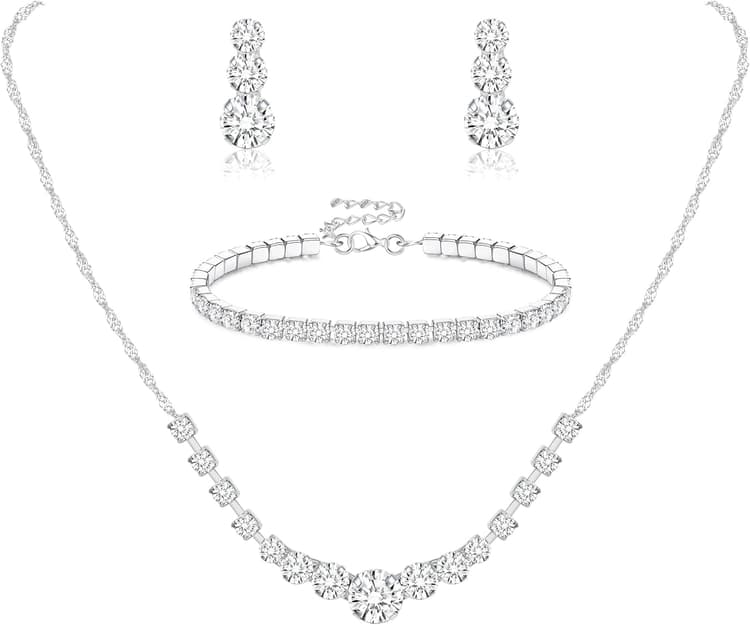
Jstyle
$12.99
$14.99
-13 %
*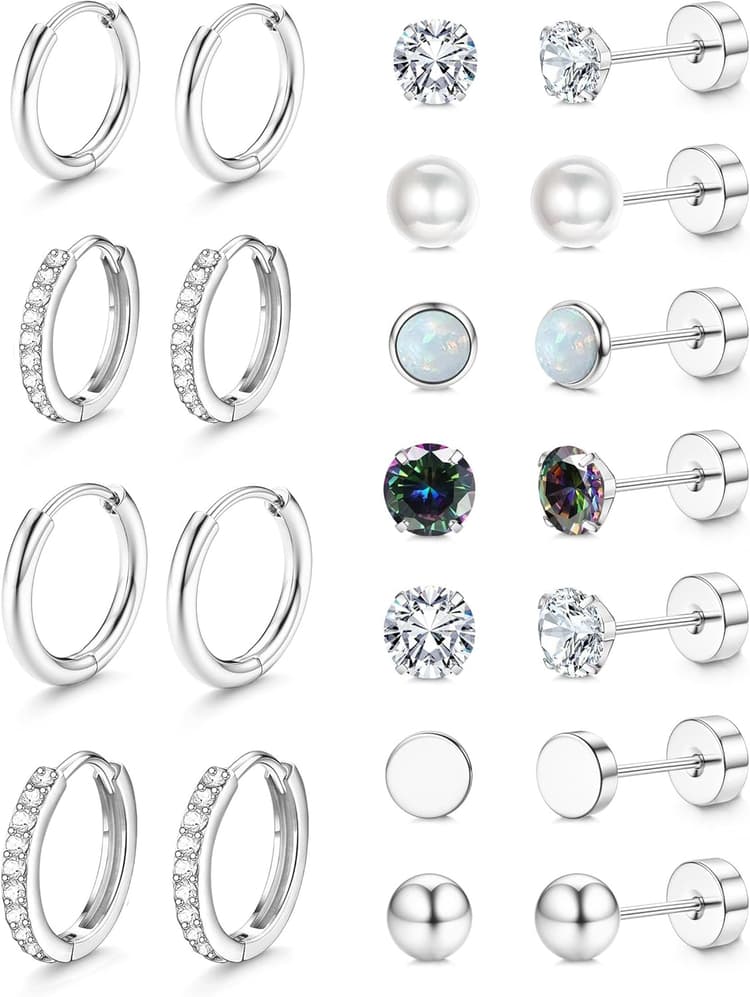
Jstyle
$12.99
$14.99
-13 %
*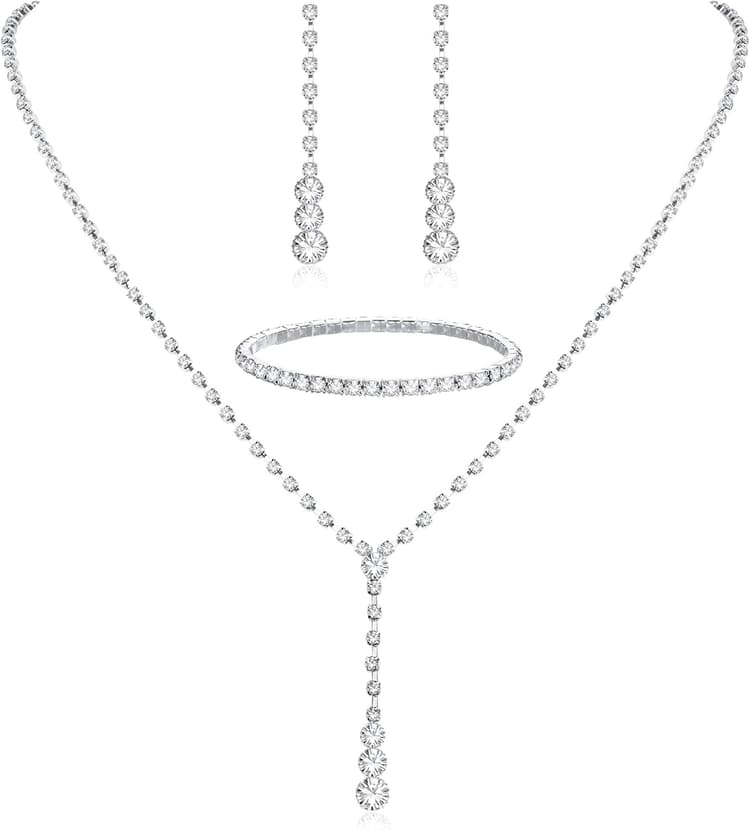
THUNARAZ
$11.96
$12.98
-8 %
*
Tatibana
$11.99
Jade cabbage
$17.99
CUEZIY
$12.99
NEWITIN
$9.99
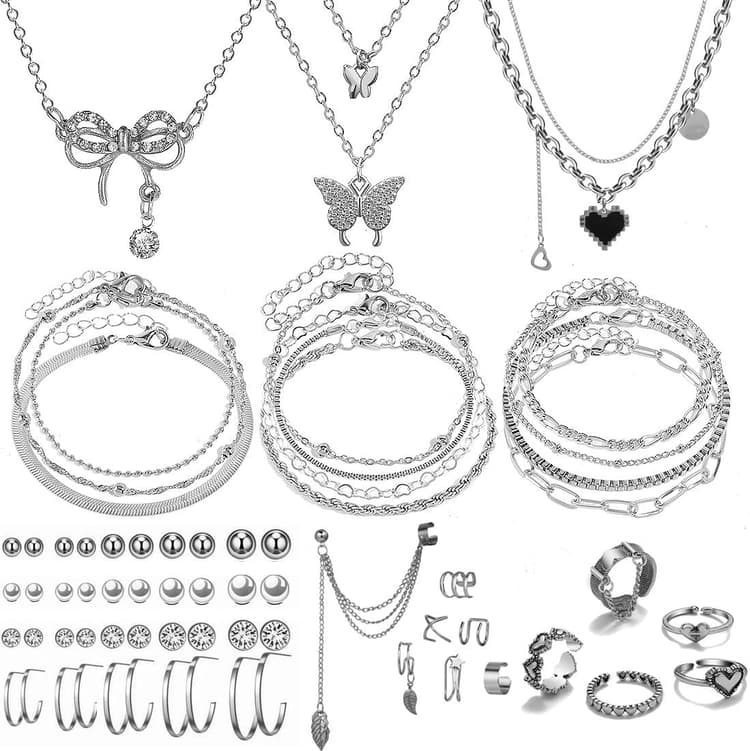
IFNODO
$9.90
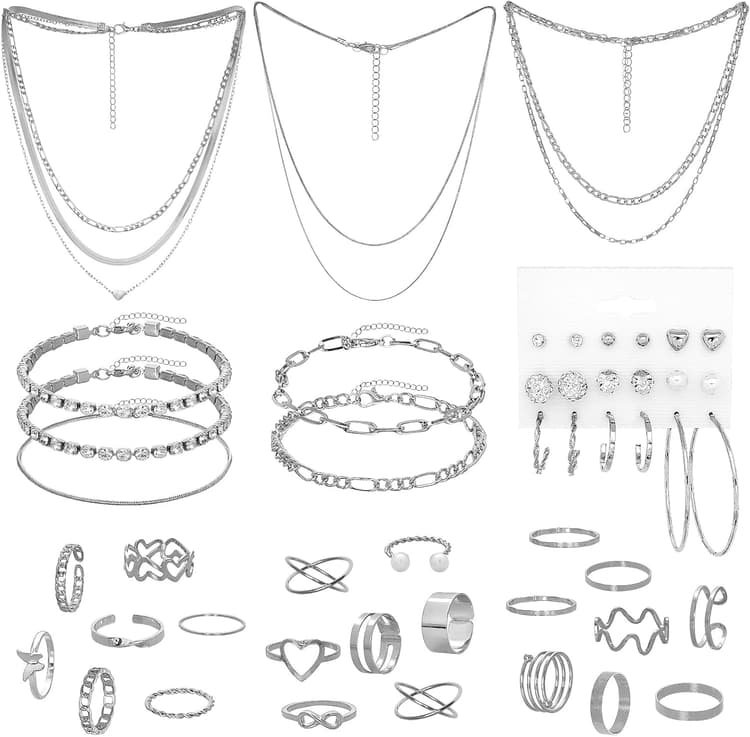
Gvhntk
$9.89
Start by clarifying why you want a silver piece — the intended use changes everything. In 2026, with rapid product launches and more online-only releases, a short written needs assessment prevents common mismatches between appearance and real-life performance.
Core user questions (answer these before you shop)
How answers alter choices
Practical decision grid
| Use case | Prioritise |
|---|---|
| 24/7 ring | Comfort-fit band, medium width, soldered shoulders |
| Under‑clothing chain | Sturdy chain (rolo/curb), lobster clasp |
| Statement pendant | Reinforced end-joins, thicker chain to carry weight |
Quick in‑store checklist
If you prefer curated selections as a starting point, consult our Practical picks for silver jewelry or the site Silver jewelry category for examples that match common use cases. A short, honest assessment of how you will wear the piece is the single best predictor of satisfaction — match construction to activity and you'll avoid most returns.
Price reflects a combination of metal content, manufacturing complexity, finish and channel markup. In March 2026, product pages are increasingly granular: many mid-market brands now list plating type and expected lifespan, which helps translate price into ownership cost.
Primary price drivers
Interpreting price with a practical checklist
Quick comparison table
| Price sign | What to verify |
|---|---|
| Higher price | Check weight, handwork, stone specs and finish lifespan |
| Lower price | Check for thin sections at stress points and vague alloy claims |
When in doubt, use curated references for baseline expectations — our Practical picks for silver jewelry and the Silver jewelry category can help benchmark fair value. Price alone doesn't guarantee longevity: combine spec reading with visual checks (clasp, soldering, chain ends) to understand whether a price is justified.
Why sizing matters (and how to reduce returns)
Correct sizing prevents loss, improves comfort and reduces stress on joins and clasps — critical when buying from online launches in 2026. Follow tested methods and simulate realistic conditions before committing.
Reliable ring‑measuring workflow (do these, in order)
Timing and environmental checks
Necklaces and chains — practical selection guidance
| Typical length | Position | When to choose |
|---|---|---|
| 40 cm | Collar/choker | Short necks, layering |
| 45–50 cm | Upper chest | Everyday pendant |
| 55–60 cm | Lower chest | Over clothing, long pendants |
Consider chain thickness: finer chains drape more closely and may kink; thicker chains support heavier pendants and reduce stress on end joins.
Bracelets and cuffs
Practical in‑use tests (no tools)
For quick product vetting, consult our Necklace Chains hub and the Practical picks for silver jewelry to see real examples of lengths and chain types. When in doubt between two ring sizes, prefer the larger — resizing down is usually simpler and cheaper than increasing size.
Overview — what to expect from silver materials in 2026
Understanding metal composition and surface treatments is the best predictor of service life and maintenance. Sterling silver (925) remains the market standard, but 2026 product pages more often disclose plating type, expected replate intervals and alloy claims — use those disclosures to anticipate upkeep costs.
Key material facts
Durability checklist (visual + spec)
| Check | Why it matters |
|---|---|
| Hallmark 925 | Confirms solid sterling: repairable, intrinsic value |
| Mention of rhodium/vermeil + lifespan | Helps budget for maintenance |
| ‘Nickel‑free’ or alloy spec | Important for allergy management |
Mechanical robustness & joints
Care & repair guidance
When transparency is limited, cross‑check product claims against curated references such as our Practical picks for silver jewelry or the Silver jewelry category. In practice, alloy + finish description + visible solder/clasp quality predict longevity more reliably than price alone.
When comparing silver pieces, focus on verifiable, use‑focused features. A structured comparison helps you prioritise what truly matters for longevity and comfort.
Key comparison points
Stone type & setting
Clasps & connectors
Finish & surface treatment
Warranty & repair policy
Quick decision rule
Given two similar bracelets, prefer the one with a lobster clasp, soldered jump rings and explicit finish details. If product descriptions are vague, request close‑up photos of soldering, clasp marks and the underside of rings.
For concrete examples and model comparisons, consult our Practical picks for silver jewelry and browse the Silver jewelry category. Prioritise mechanically robust solutions (clasp + joins + mounting) over purely aesthetic differentials when you need a piece to last.
Before buying — or immediately after receipt — run a short set of no‑tools checks to predict everyday performance. These quick tests filter out items that will fail early in normal wear.
Visual & tactile checklist
Simulated wear checks
Key warning signs
Preventive care & immediate actions
If you detect a combination of attractive finish but weak mechanical points (thin clasp, unsoldered jump rings), weigh aesthetic appeal against replacement/repair cost. For model comparisons and more robust options, consult our Practical picks for silver jewelry and the Silver jewelry category. Small early checks prevent the most common failures after a few months of daily use.
Top buyer mistakes — and straightforward fixes
Even seasoned shoppers repeat the same errors. This refreshed checklist (Mar 2026) targets the recurring failure modes we still see and the low‑effort actions that prevent them.
Top 6 pitfalls
Low‑effort expert tips
Buying checklist (single‑line format)
When sellers can't confirm soldered jump rings or provide hallmarks/close‑ups, walk away or request a returnable trial. For solid starting points and examples of well‑built pieces, review our Practical picks for silver jewelry and the Silver jewelry category. Small pre‑purchase questions eliminate the majority of returns.
MBW
$12.99
$14.99
-13 %
*Jstyle
$12.99
$14.99
-13 %
*Jstyle
$12.99
$14.99
-13 %
*Tatibana
$11.99
Jade cabbage
$17.99
THUNARAZ
$11.96
$12.98
-8 %
*CUEZIY
$12.99
NEWITIN
$9.99
IFNODO
$9.90
Gvhntk
$9.89
Choosing silver jewellery requires balancing intended use, sizing, material transparency, mechanical quality and maintenance expectations. This closing summary distils the core, actionable steps to help you make an informed decision in March 2026.
Step-by-step decision path
Final practical checklist
If product listings are vague, ask direct questions and request macro photos of the clasp, solder joints and inside of rings. When you want examples of well‑documented, reliable models, start with our Practical picks for silver jewelry or browse the Silver jewelry category to benchmark expectations. The best purchase balances appearance, durability and manageable maintenance based on your priorities — prioritise robustness at clasp and join points for everyday pieces.
This guide was written with an educational approach to assist in buying silver jewelry. It does not promote any brand or recommend specific products. Information is based on standard jewelry practices (alloys, settings, finishes) and established care recommendations. For special cases (severe allergies, restoration of antique pieces), consult a professional jeweler.
Our guides compare and assess jewelry using objective criteria and expert insight.
We regularly update articles to reflect new releases and recent tests.
We may earn a commission if you buy via our links; this does not influence our editorial selection.
When you click, you are redirected to partner retailers chosen for their reputation.