
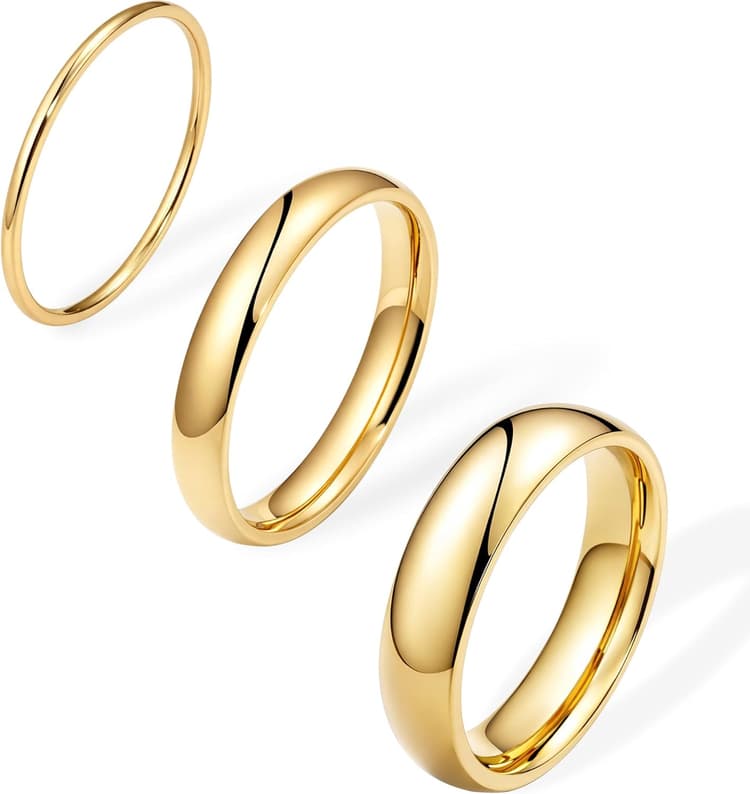
Poxtex
Gold Band Rings for Women Men Non Tarnish, Wedding 14K Gold Plated Stackable Ring Set for Couples, Dainty Thin Plain Simple Promise Dome Band Thumb Pinky 1mm 3mm 5mm Jewelry Gift Comfort Fit Size 3-13
★★★★☆4.5
$9.49
$12.99
-27 %
*
Product reviewer and deals editor focused on watches, gemstones, and budget-friendly jewelry picks.

Why this guide was refreshed (March 2026)
This guide focuses on practical decisions that matter now: daily comfort, repairability, after‑sales service and traceability. In 2026 buyers increasingly expect clear provenance and realistic maintenance expectations alongside classic concerns like metal choice and fit. Use this guide as a concise checklist when you compare options in store or online.
How to use the guide (quick workflow)
Practical comparisons at a glance
| Priority | What to pick | Why it matters |
|---|---|---|
| Daily wear + low maintenance | Platinum, titanium, cobalt‑chrome | Better long‑term finish; less frequent replating than white gold |
| Easy resizing | Gold 14K, platinum | Can be resized by most workshops |
| Hypoallergenic | Platinum, titanium | Lower risk of nickel reactions |
Links and next steps
When you begin product research, consult category overviews and curated selections to match use cases: see the collection on Wedding Bands and Commitment Rings and our curated Wedding Bands: Guide and Top Picks for real‑world examples and vetted models. These pages update frequently with market‑level notes and price context relevant to March 2026.
Follow the workflow above each time you test rings and carry a short checklist to the jeweler: it keeps choices objective and speeds up decision making.
Poxtex
$9.49
$12.99
-27 %
*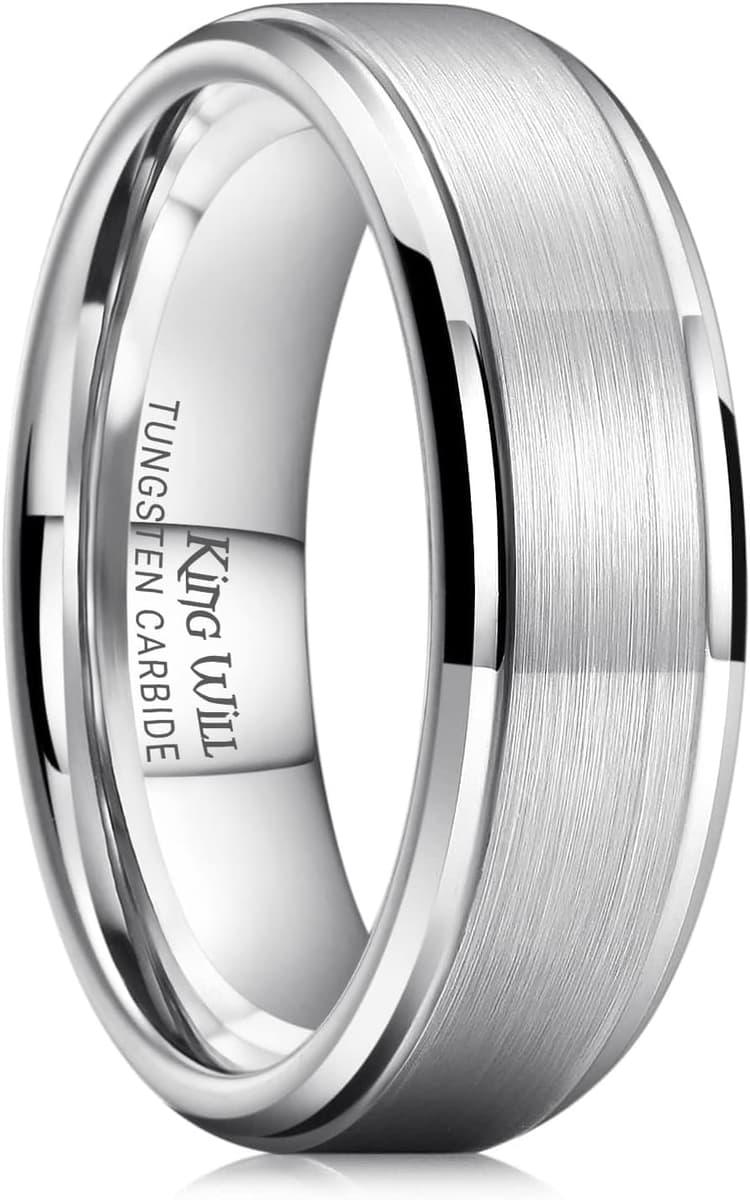
King Will
$27.99
$36.99
-24 %
*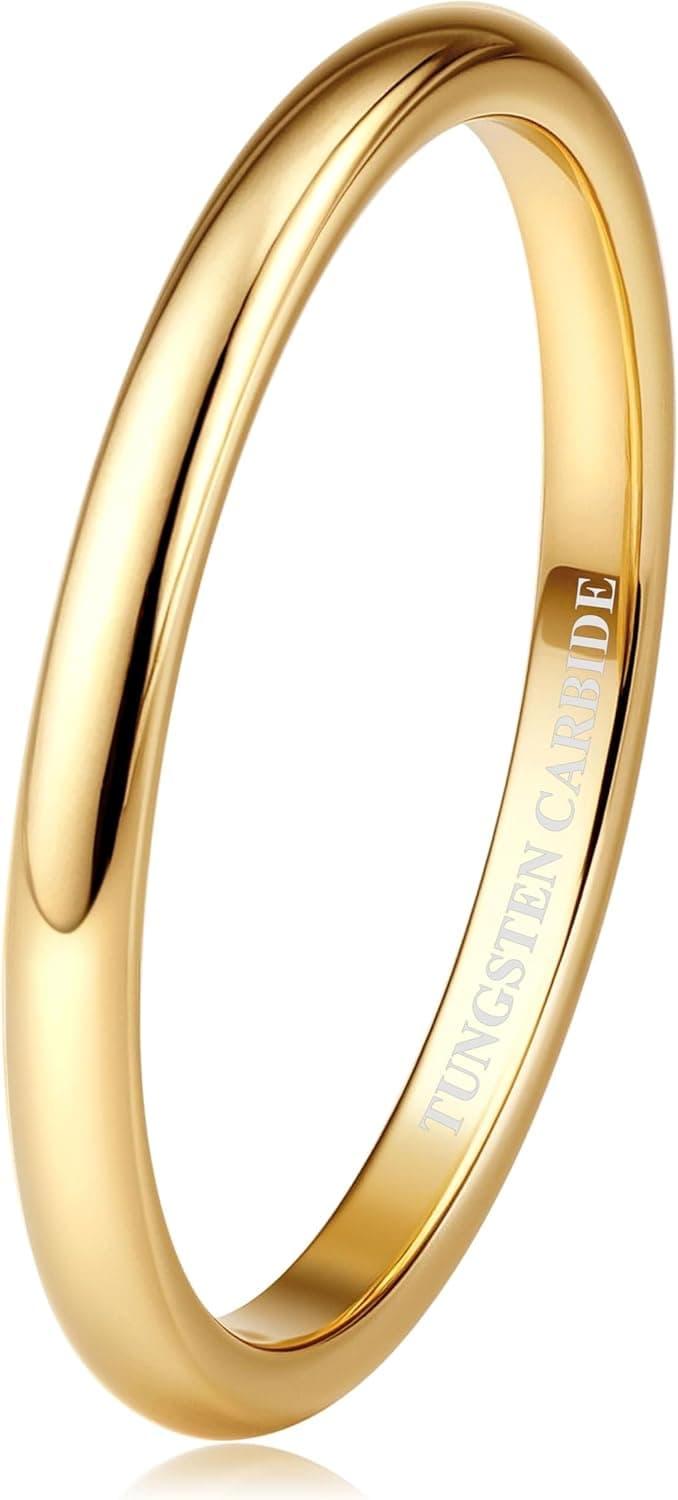
Tungary
$13.99
$16.99
-18 %
*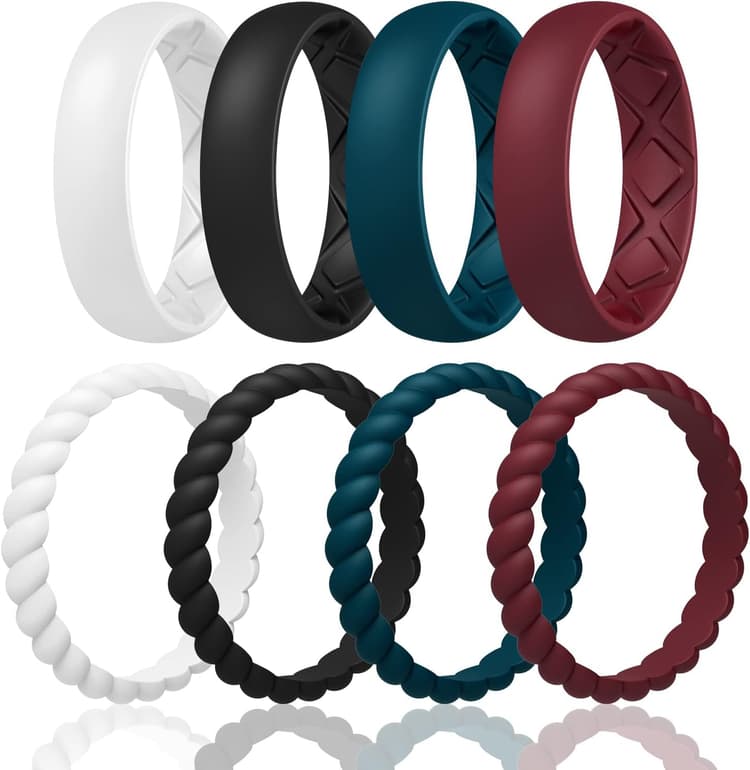
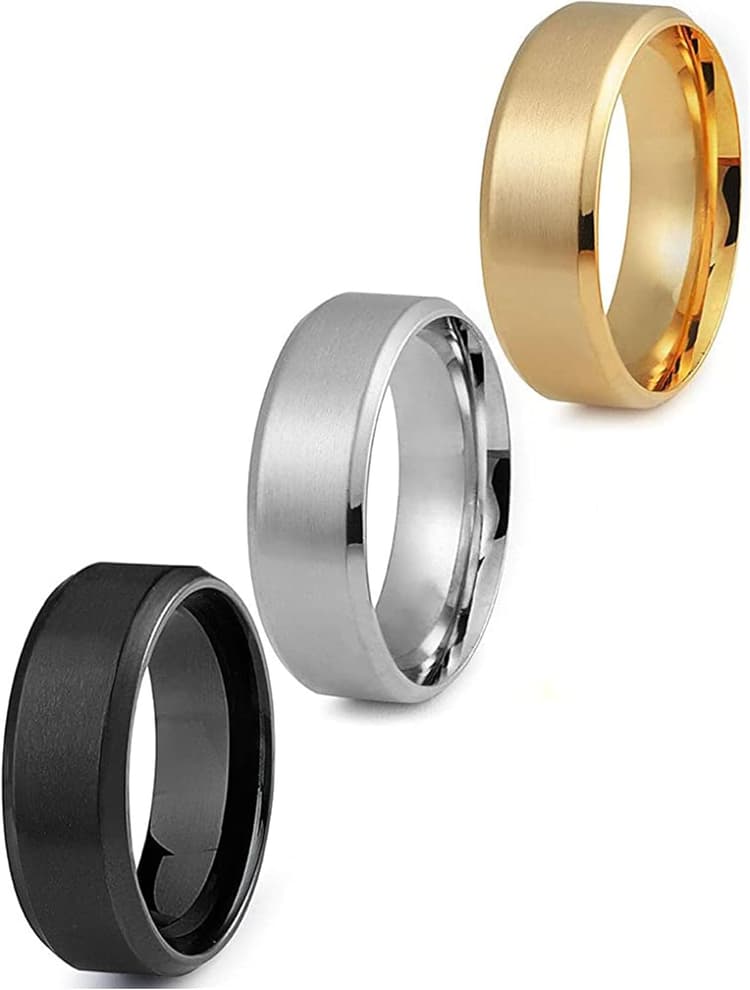
Egnaro
$8.99
$9.99
-10 %
*
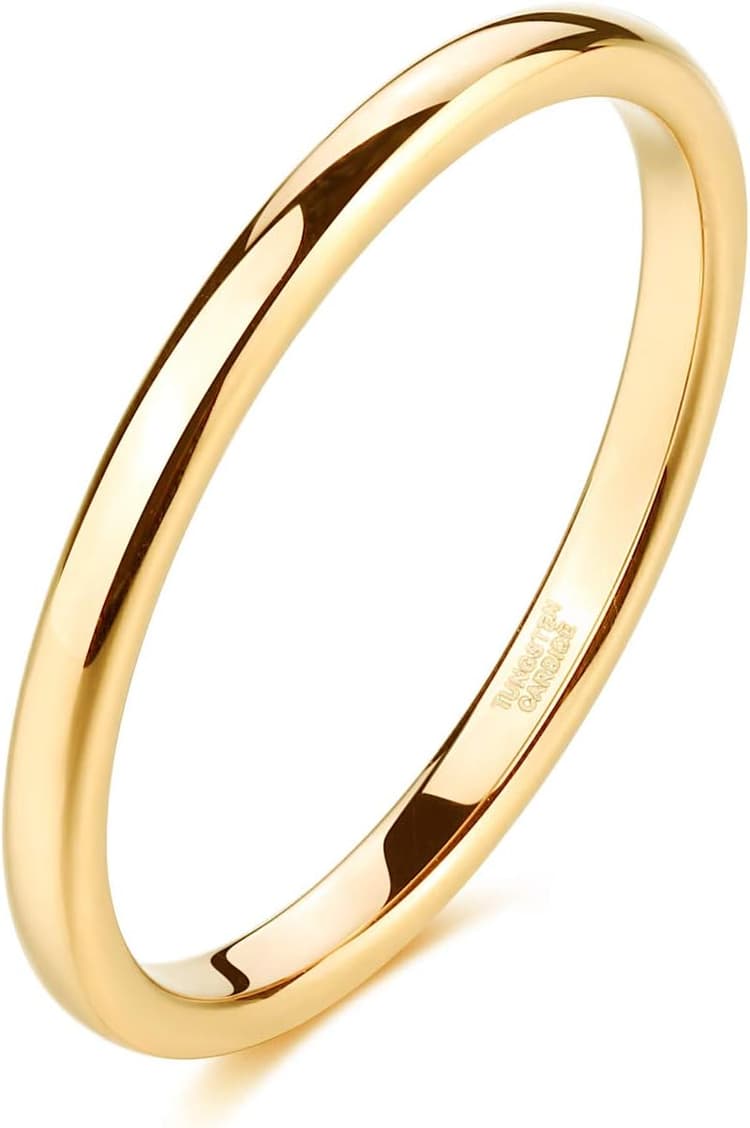
Jstyle
$12.99
$13.99
-7 %
*
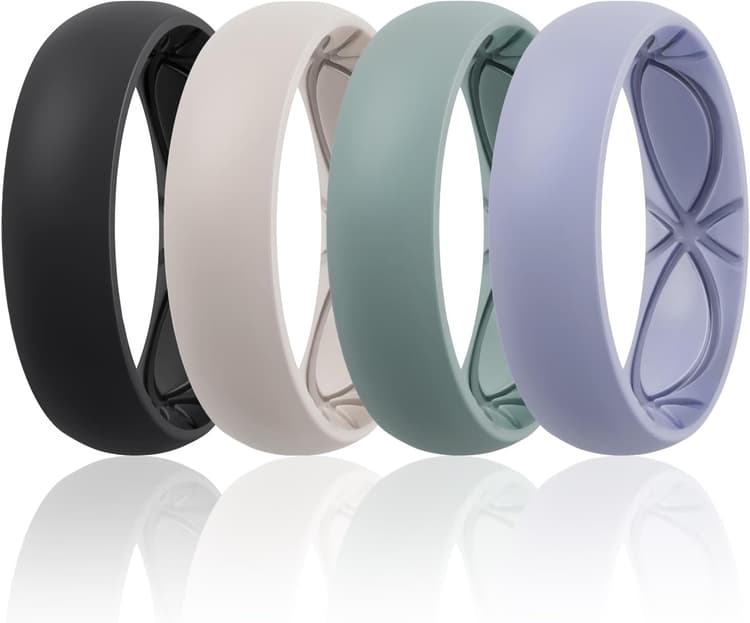
TRUMIUM
$16.59
$17.59
-6 %
*
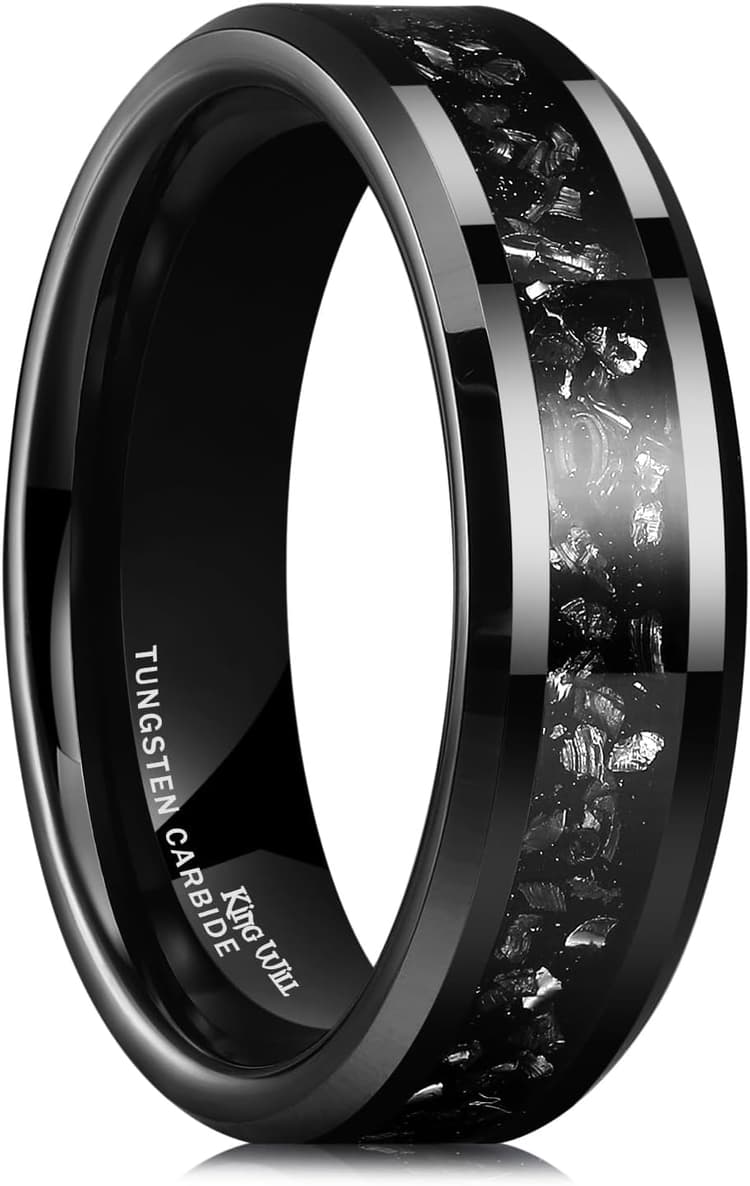
Egnaro
$7.59
$7.99
-5 %
*
King Will
$33.99
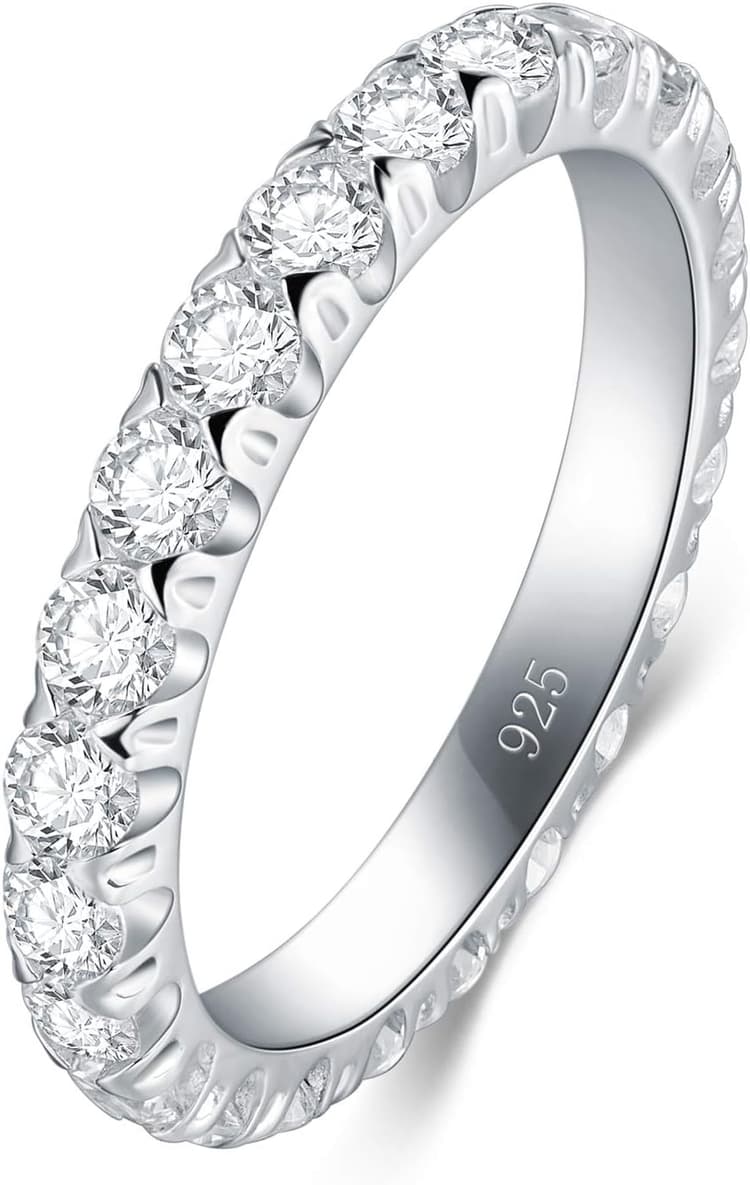
BORUO
$19.99
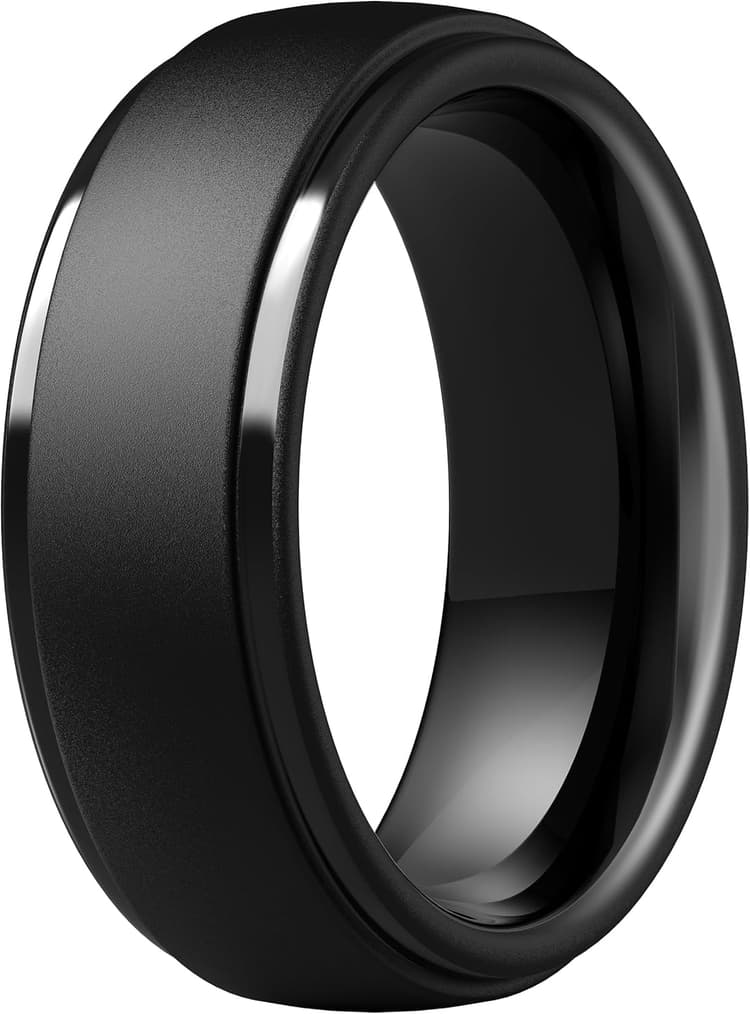
ThunderFit
$9.99
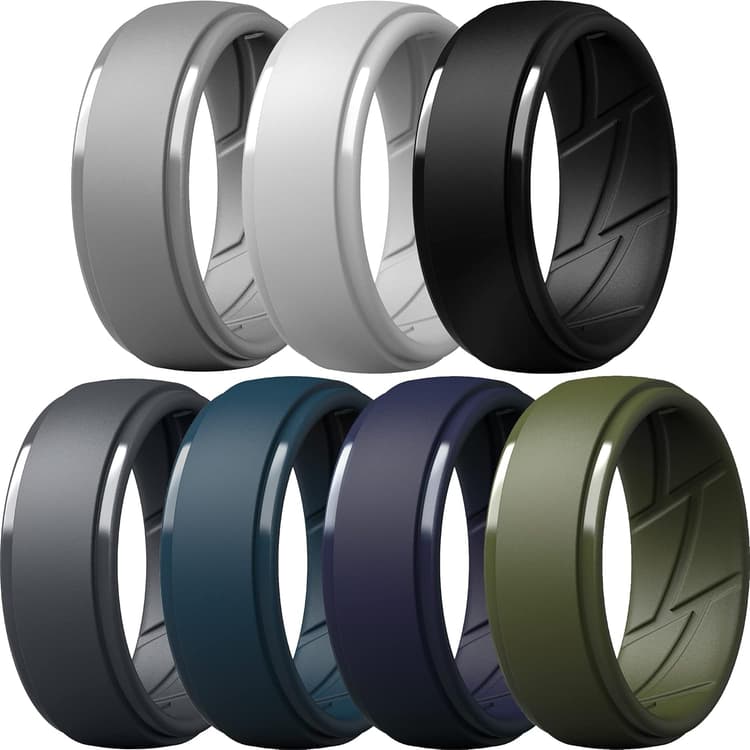
ThunderFit
$14.99
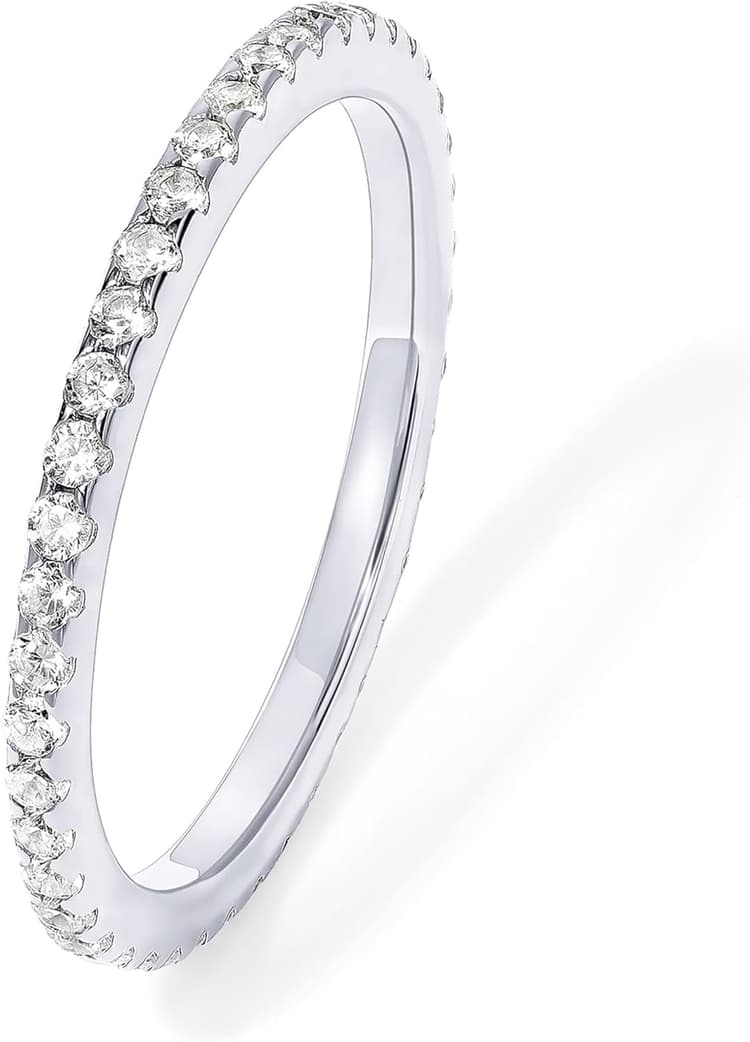
PAVOI
$18.95
Start by mapping your daily life: will you wear the band 24/7 or only on special occasions? Do you work with your hands or play contact sports? These factors guide metal selection, width, and profile. For instance, frequent exposure to water or household chemicals favors metals with better scratch and corrosion resistance. If you are physically active, a matte finish and rounded profile can reduce snagging.
Next, set aesthetic priorities: do you want a subtle band or a bold look? Width (commonly 2 mm to 8 mm) affects both appearance and comfort; narrow bands suit slim fingers, while wider bands balance a broader hand. Consider how the band will sit with an engagement ring if you wear both.
Also account for skin sensitivities: some people have reactions to nickel; hypoallergenic alloys like titanium or platinum can be more comfortable. Think about customization needs (engraving, inset stones, special finishes) and budget: complex personalization raises costs and can complicate future repairs. Make a short list of non-negotiables—comfort, longevity, look, hypoallergenic materials—and rank them before trying rings so you can quickly eliminate unsuitable options.
What drives price in 2026: core factors
Prices remain driven by metal type, purity, weight and craftsmanship, but market context and traceability now play a larger role. Since early 2026 there have been supply‑side tensions in gold markets that slightly widened spreads between 14K and 18K pieces; meanwhile, certified traceability or recycled content commands a premium in many workshops.
Key variables to inspect
Practical value checklist
Quick example table
| Band type | Typical upfront cost | Typical maintenance notes |
|---|---|---|
| Platinum plain band | High | Polishing; no replating |
| 14K yellow gold | Medium | Low maintenance; easier resizing |
| White gold (rhodium plated) | Medium | Replating every few years |
| Titanium / Tungsten | Low–Medium | Hard to resize; tungsten brittle |
For practical browsing, use category pages like Wedding Bands and Commitment Rings or curated picks Wedding Bands: Guide and Top Picks to see real price examples and warranty descriptions updated to March 2026 standards.
This method lets you judge whether a higher price buys tangible long‑term value or only brand premium.
Why sizing matters more than style
A correctly sized band is the difference between a daily‑wear success and an item that ends up in a drawer. Modern sizing guidance (March 2026) emphasizes dynamic fit — how a ring feels during activity — rather than a single static measurement.
Fitting protocol: professional + home checks
Technical fit rules
Practical checklist to test in store (do these while wearing the ring)
Summary table
| Situation | Fit advice |
|---|---|
| Wide band (≥6 mm) | Try +0.5 size; prefer comfort‑fit interior |
| Large knuckles | Tapered / rounded profile; test passage over knuckle |
| Pregnancy or weight change expected | Choose easily resizable metal and keep documentation |
For model ideas and common widths that suit different hands, consult our curated selections such as Wedding Bands: Guide and Top Picks or the category overview Wedding Bands and Commitment Rings. Use these references as examples when you ask a jeweler about resizing costs and policies.
Overview: match metal to lifestyle
Choosing a metal in 2026 balances tactile feel, scratch resistance, repairability and provenance. Newer sourcing demands (traceability, recycled content) affect choices and prices; buyers who prioritise sustainability often accept a small premium.
Common metals & trade‑offs
Surface treatments & durability
Repairability & long‑term service
Always ask: can this metal be soldered or polished by a local workshop? For example, platinum and gold are easily serviced; tungsten and heavily PVD‑coated pieces often require replacement rather than repair.
Quick decision matrix
For side‑by‑side examples and material notes updated to March 2026, review curated picks on Wedding Bands: Guide and Top Picks or explore category options at Wedding Bands and Commitment Rings. These resources list typical service options and whether metals are offered with recycled or traceable content.
Use these easy-to-compare features when trying on rings or browsing online:
When comparing, make a quick checklist of these attributes for each candidate. Weight them by priority: for manual work, emphasize finish and scratch resistance; for all-day comfort, prioritize a rounded interior and an appropriate width.
Testing a band under near-real conditions helps predict daily behavior. In-store, mimic common actions: typing, opening doors, lifting a bag. Note whether the ring shifts, catches, or causes pressure points. Also consider weight: a heavy ring may be tiring during prolonged activities.
Think about maintenance: polished finishes need periodic re-polishing to stay shiny; brushed finishes conceal wear better. If the band features stones, ask about setting security and recommended inspection intervals. Water and chemical resistance matter for frequent hand-washers or those exposed to solvents at work.
Factor in compatibility with other jewelry: prongs or raised settings on one ring can abrade adjacent bands. Finally, check repairability: pieces that can be easily polished and re-soldered offer better long-term service. Wear the ring for a few hours when possible and note any unexpected discomforts.
Top mistakes buyers still make (and how to avoid them)
Despite better information online, common errors persist. This updated list (March 2026) focuses on mistakes that lead to returns, extra cost, or long‑term regret.
Frequent errors
Workshop‑style tips you can use in store
Quick printable buyer's checklist (bring to the jeweler)
Final advice
Wear a candidate ring for several hours—ideally at the end of a typical day—to catch pressure points or rotation. For practical model comparisons and warranties, consult curated pages like Wedding Bands: Guide and Top Picks and the category overview Wedding Bands and Commitment Rings to verify service terms before you pay. Doing so prevents most buyer's remorse and protects your purchase long term.
King Will
$27.99
$36.99
-24 %
*TRUMIUM
$16.59
$17.59
-6 %
*King Will
$33.99
BORUO
$19.99
Egnaro
$7.59
$7.99
-5 %
*ThunderFit
$9.99
ThunderFit
$14.99
Jstyle
$12.99
$13.99
-7 %
*Egnaro
$8.99
$9.99
-10 %
*PAVOI
$18.95
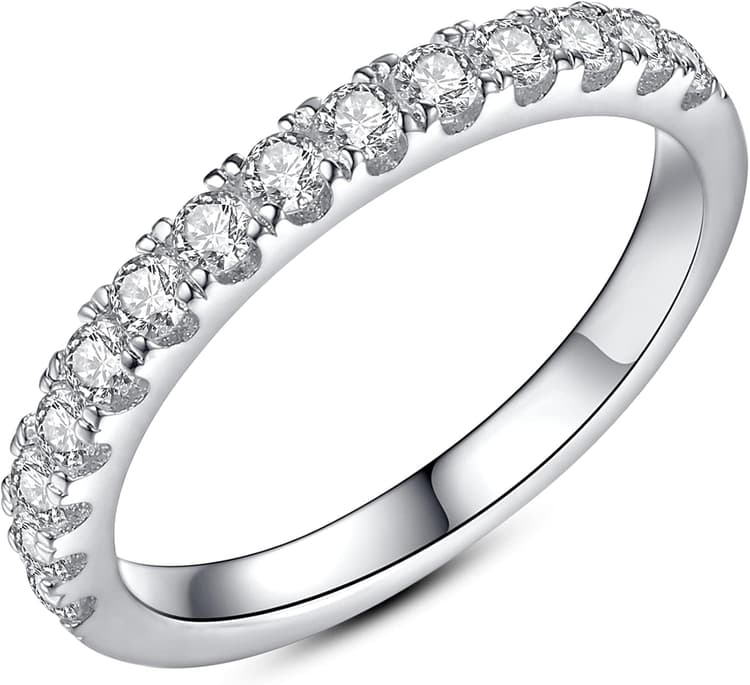
IMOLOVE
$39.99
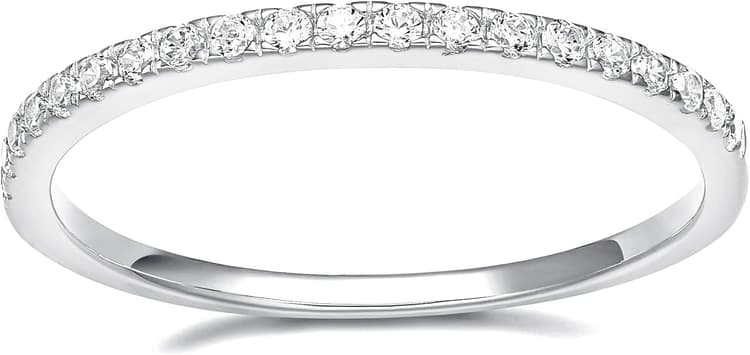
EAMTI
$12.99
One‑page decision checklist (March 2026)
Use this concise checklist at the jeweler to decide objectively and quickly. It collects the main updated considerations for durability, comfort and sourcing.
Pre‑visit preparation
In‑shop quick test (10–15 minutes)
Maintenance & resale planning
Final short matrix
For concrete model comparisons and up‑to‑date picks, reference Wedding Bands: Guide and Top Picks or explore the breadth of options at Wedding Bands and Commitment Rings. Armed with the checklist above you can evaluate candidates in a matter of minutes and make a choice that balances daily comfort, long‑term durability and ethical sourcing.
This guide is informational and independent. It does not promote specific brands or sponsored products. Recommendations are based on practical and technical criteria commonly recognized in the jewelry field. No commercial data or prices have been invented for this text. If the site adds affiliate links, they will be clearly indicated on the relevant page.
Our guides compare and assess jewelry using objective criteria and expert insight.
We regularly update articles to reflect new releases and recent tests.
We may earn a commission if you buy via our links; this does not influence our editorial selection.
When you click, you are redirected to partner retailers chosen for their reputation.