
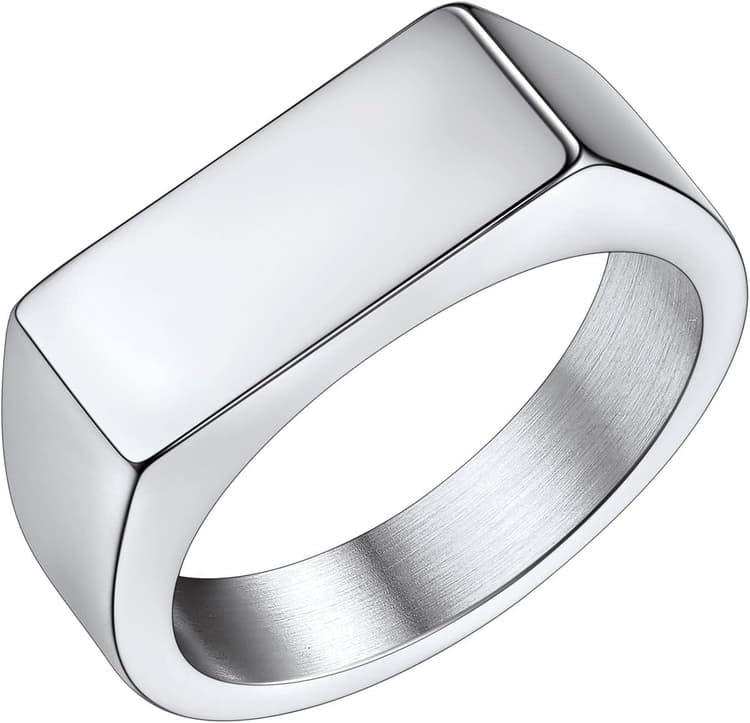
Bestyle
Bestyle Stainless Steel Signet Ring for Men Women in Gold/Black/Silver/Vintage Gray Tone, Chunky Thick Heavy Dome Band Ring Cool Finger Ring, Gift for Dad Husband, Size 7-14 Customizable
★★★★☆4.4
$11.38
$17.49
-35 %
*
Senior jewelry editor specializing in buying guides, trend reports, and honest reviews.

What this guide delivers (March 2026 update)
This guide helps you make a practical, low‑regret choice when buying a men’s ring in 2026. It focuses on measurable criteria — fit, material, finish, maintenance, and cost drivers — so you can compare options across retailers and marketplaces with clarity. The content is deliberately brand‑agnostic and adapted to recent market shifts: rising interest in recycled gold, wider availability of lab‑grown stones and ongoing attention to traceability.
How to use this guide (quick flow)
Practical outputs you will get
Checklist (one‑page)
| Priority | Key question to answer |
|---|---|
| Comfort | Does the band fit and feel comfortable for several minutes of wear? |
| Durability | Is the metal and finish appropriate for your activities? |
| Serviceability | Can the ring be resized or repaired? |
When to use deeper reading
If you shop for a wedding band or heirloom, read the sections on precious metals and hallmarking; for daily‑wear, the practical comparison of robust metals will be most useful. To compare across categories and complementary articles, see our Men's rings category and the market brief Rings in Motion – Weekly Review (09–15 Mar 2026) for current trade context.
Follow the flow: clarify use → set priorities → score options. Keep your measurements and notes — they make future repairs and upgrades simpler and ensure a consistent buying standard across shops and platforms.
Bestyle
$11.38
$17.49
-35 %
*
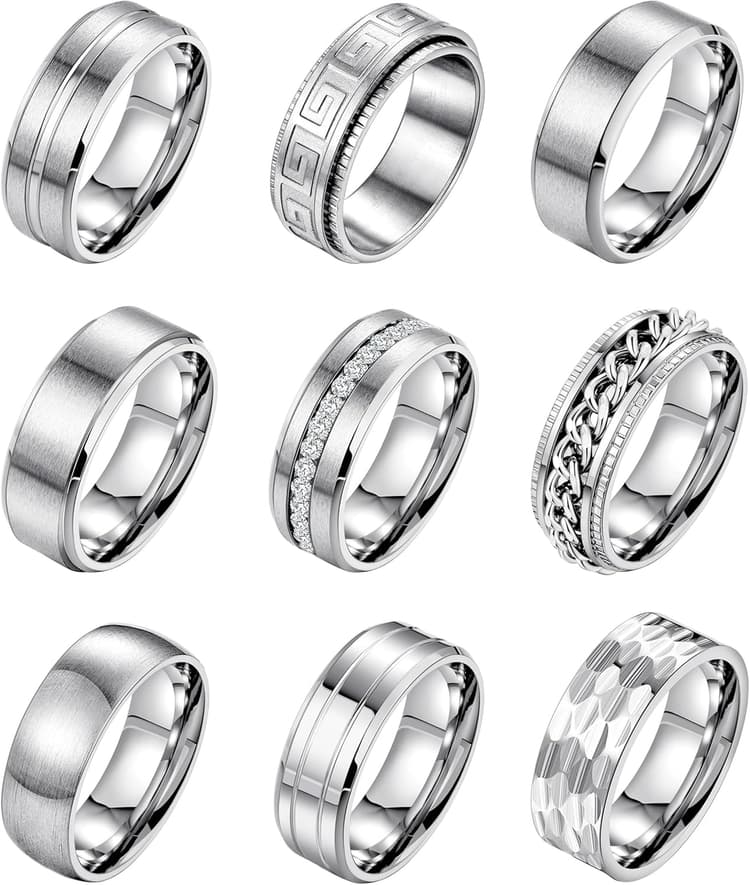
Meowoo
$3.98
$4.99
-20 %
*
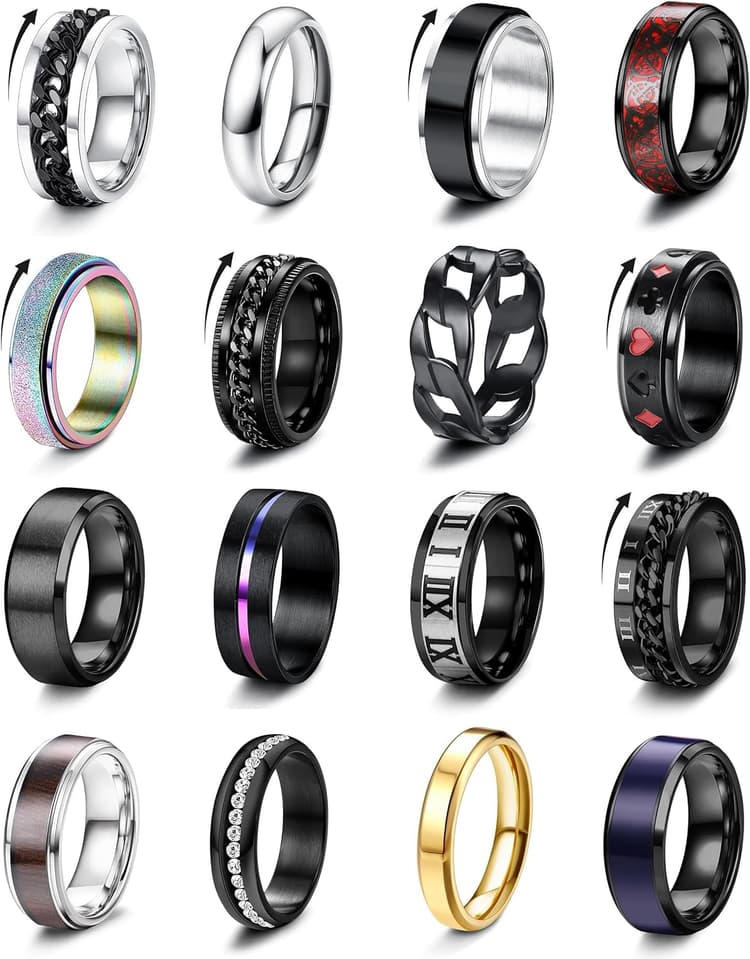
LOAYHOAY
$9.99
$11.99
-17 %
*
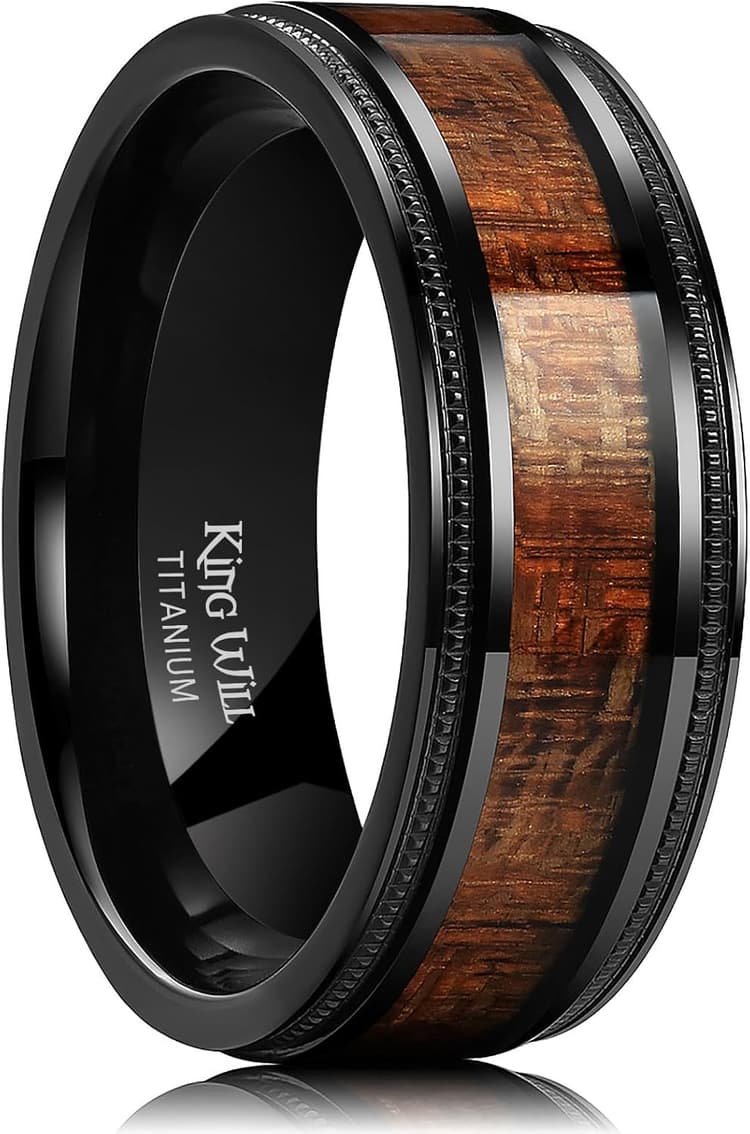
Besteel
$15.99
$18.99
-16 %
*
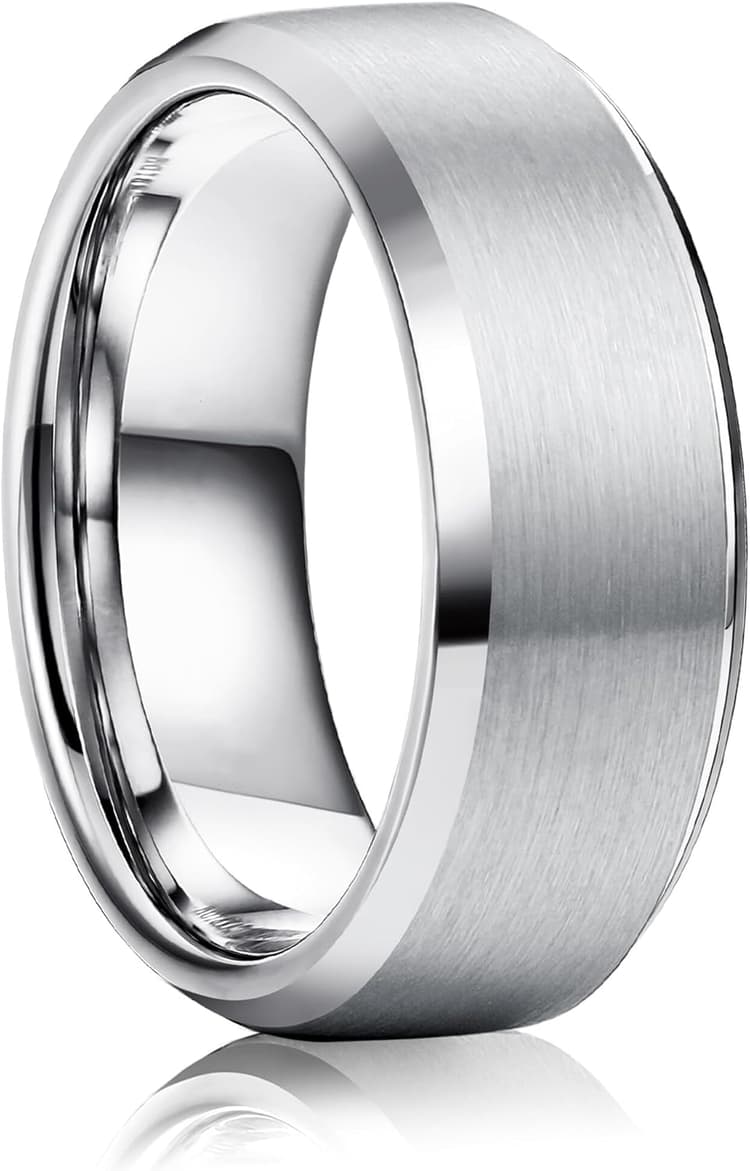
King Will
$23.99
$26.99
-11 %
*
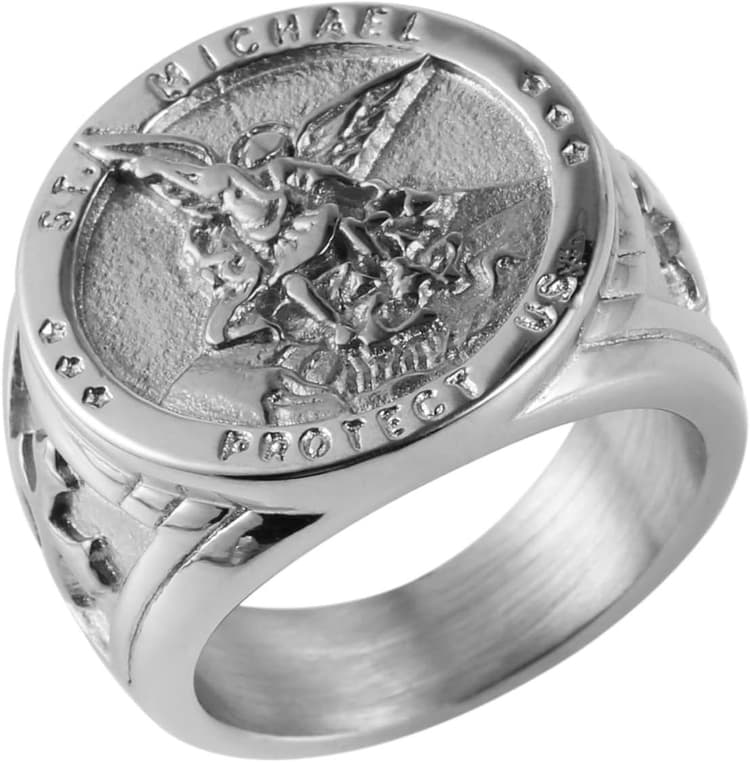
Jstyle
$11.99
$12.99
-8 %
*
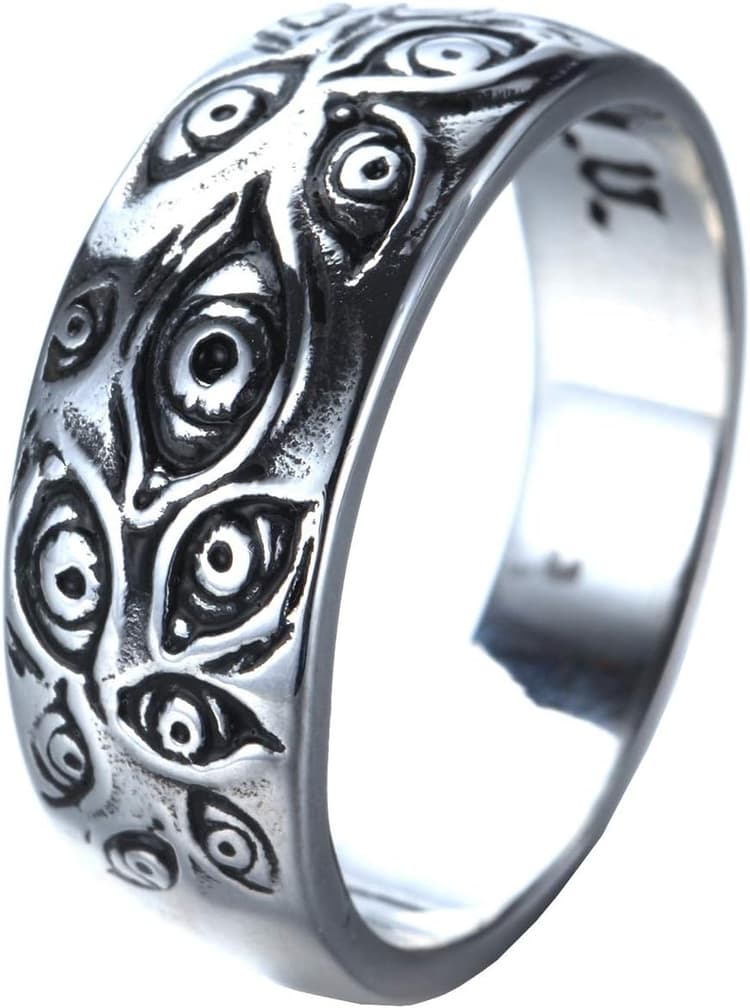
HZMAN
$15.99
PMTIER
$13.21
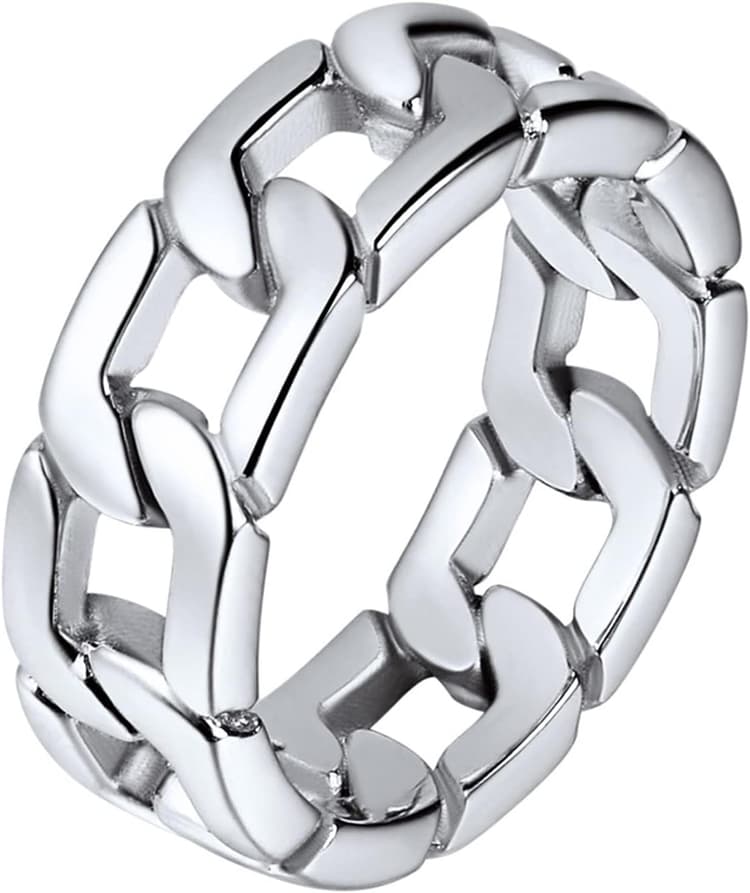
U7
$15.99
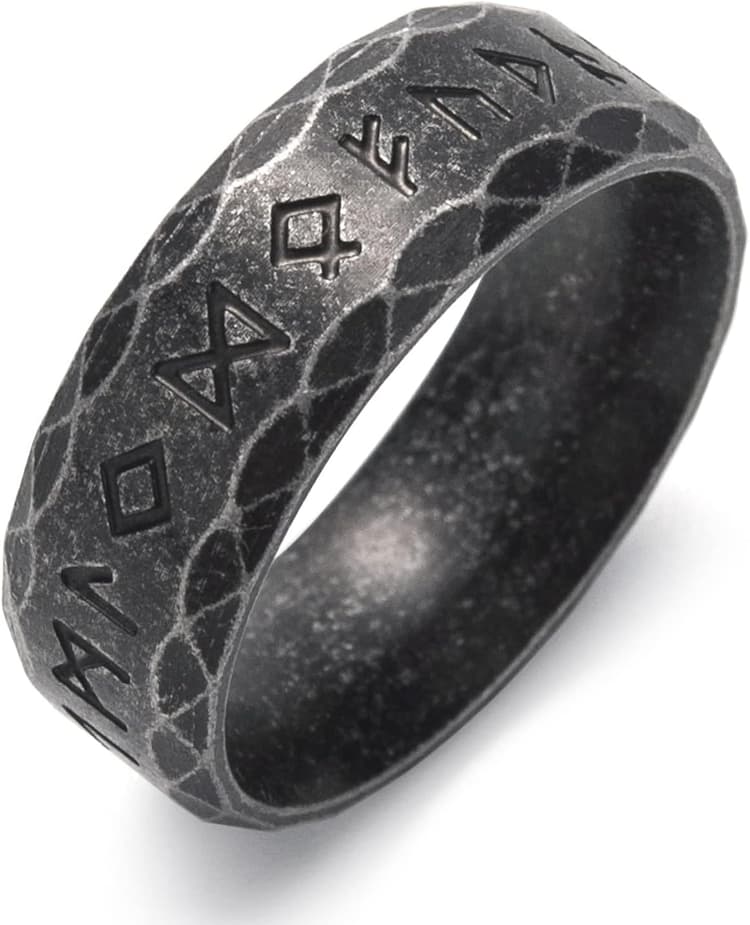
KIRTIJW
$11.99
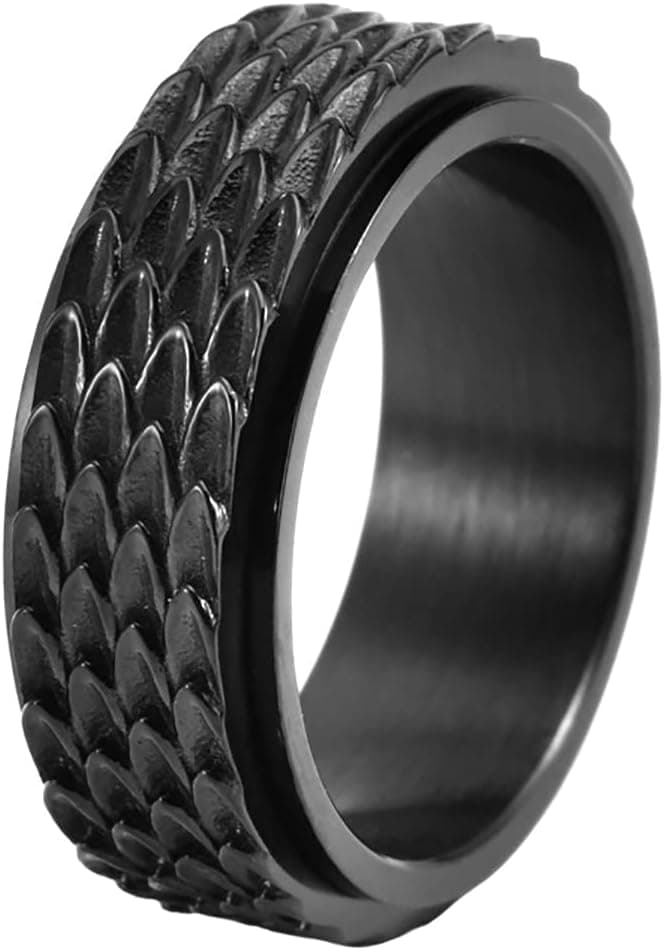
Nanafast
$9.99
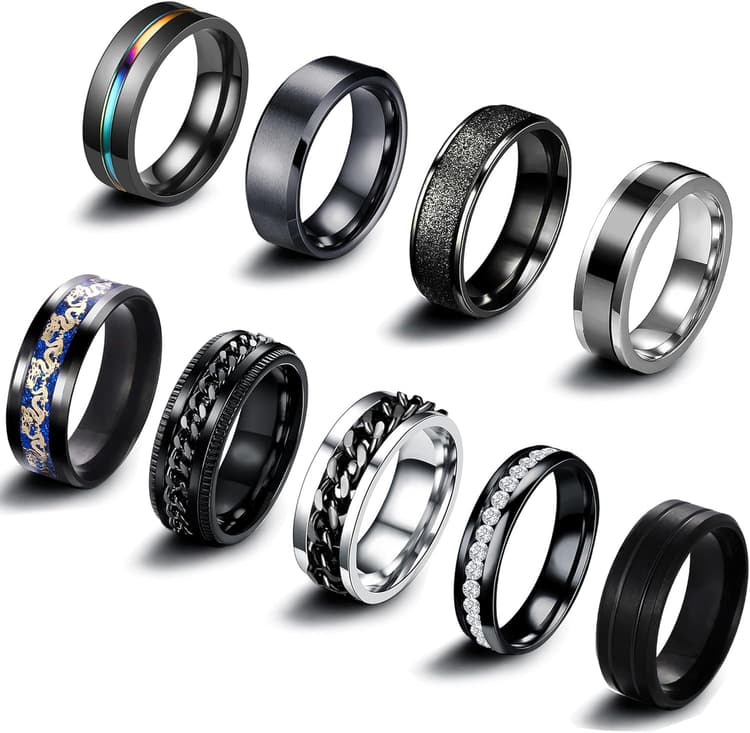
EIELO
$9.99
Before choosing a material or shape, clarify the context of wear. Ask yourself: will you wear the ring daily or only on special occasions? Do you do manual work (crafting, contact sports)? Do you prefer a subtle piece or a noticeable ring with a wide band or stone?
Step 1 - Prioritize the use case
Step 2 - Define the aesthetic
Step 3 - Note personal constraints
Practical example
If your work involves manual tasks and you also wear a watch, stainless steel or titanium with a rounded inner profile balances durability and comfort. For formal or ceremonial use, polished yellow gold or a fine silver flat band may better match the look you want.
Expected outcome
By the end of this step, you should rank your priorities: comfort, longevity, appearance. That ranking will determine trade-offs between material and design in the next sections.
A ring's price reflects technical and finish-related factors—not just the metal. Knowing what drives cost helps you tell reasonable value from unnecessary markup.
Main cost drivers
Practical price tiers
How to choose
Match price tier to your priorities from the first section. For symbolic rings (wedding bands, heirlooms), investing more is reasonable. If the ring faces a harsh environment, pick durable metal over delicate stones. Consider staged upgrades: a simple design now with options to add a finishing touch or engraving later.
Size and fit are the main factors that determine whether a ring will be comfortable all day. A correct fit reduces slipping, wear and skin irritation.
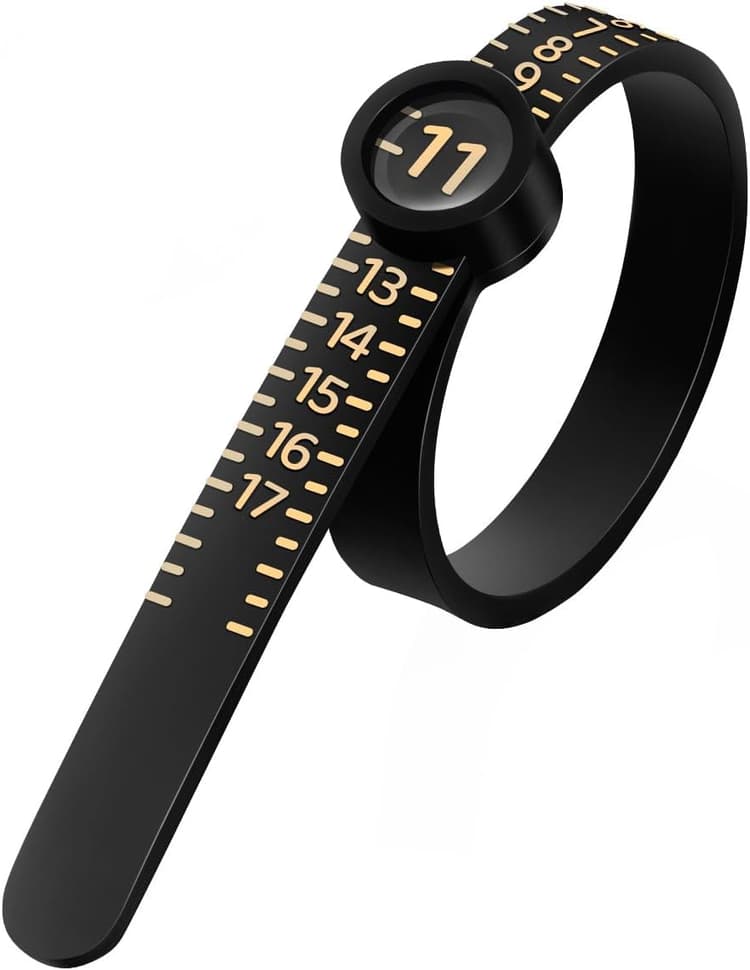
Measuring your ring size
Comfort fit vs standard
Width and profile effects
Practical tips
Final rule
A correctly sized ring passes the knuckle without force and remains comfortable at rest. Record how you measured so you can compare reliably when buying.
Overview (2026): what to expect from common ring materials
Material selection remains the single biggest determinant of long‑term performance. Below are practical, side‑by‑side benchmarks that reflect current 2026 market realities — increased availability of recycled metals, better nickel‑free stainless steels, and broader adoption of lab‑grown stones.
Quick comparison table
| Material | Durability | Maintenance | Practical notes |
|---|---|---|---|
| 18K / 14K Gold | Medium (softer with higher karat) | Polishing occasionally; visible scratches | Classic look; choose higher alloy for color, lower for strength |
| Platinum | High | Low chemical reactivity; periodic surface reflow | Dense, hypoallergenic, retains weight/value |
| Sterling Silver (925) | Low‑Medium | Tarnishes; regular cleaning | Bright and affordable, avoid in corrosive environments |
| Stainless Steel (nickel‑free options) | High | Minimal; clean with soap/water | Excellent for daily wear; look for stated nickel content |
| Titanium | High (lightweight) | Minimal; difficult to resize | Hypoallergenic, modern matte look; choose fit carefully |
| Tungsten Carbide | Very high scratch‑resistance | Low; cannot be resized | Extremely scratch resistant but brittle on sharp impact |
| Ceramic / Composites | High scratch resistance | Vulnerable to fracture on impact | Unique colors/textures; limited repair options |
Choosing for 2026 priorities
Care & exposure rules
For deeper guidance on pairing metals with use cases and to compare curated picks by use, see our Men's rings comparison — Top picks by use case and the longer technical guide on precious metals How to Choose Gold & Diamond Jewelry.
Practical takeaway: match metal to daily constraints, then pick finish and service plan accordingly.
When comparing rings, focus on measurable features rather than just looks. Here is a practical glossary of elements to assess.
Finish
Profile and thickness
Width
Setting and stones
Alloys and markings
Weight and balance
Concrete comparison method
Make a simple table: material, width, profile, finish, stones, resize-ability, warranty. Score each ring during try-on or from the product description. Then rank criteria by importance—if you work with your hands, durability and finish should outrank sparkle.
Assessing everyday performance means anticipating how your activities will interact with the ring. Below are concrete factors to estimate durability and maintenance needs.
Impact and scratch resistance
Water and chemical exposure
Sports and sleeping
Routine maintenance
Common wear scenarios
Preventive choices
Practical takeaway
Set a maintenance plan according to the material: cleaning cadence, setting inspections and professional polishing. A simple plan preserves the ring's look and safety over time.
Most mistakes happen when buyers prioritize immediate appearance without checking how the ring will perform daily. Below are common pitfalls and practical expert tips.
Common mistakes
Step-by-step expert tips
Quick pre-purchase checklist
Final tip
When torn between two designs, pick the one that aligns with your functional needs rather than pure aesthetics. A ring suited to your lifestyle will be worn longer and require fewer repairs.
Meowoo
$3.98
$4.99
-20 %
*HZMAN
$15.99
PMTIER
$13.21
Jstyle
$11.99
$12.99
-8 %
*U7
$15.99
KIRTIJW
$11.99
Nanafast
$9.99
EIELO
$9.99
King Will
$23.99
$26.99
-11 %
*LOAYHOAY
$9.99
$11.99
-17 %
*Besteel
$15.99
$18.99
-16 %
*Bestyle
$11.38
$17.49
-35 %
*Final checklist (ready to use in store or online)
Before committing, apply this concise, reproducible checklist updated for March 2026 market conditions. It helps you validate the product page and the in‑store offer against your ranked priorities.
Action checklist
Decision table (example)
| Use case | Recommended materials | Finish | Sizing tip |
|---|---|---|---|
| Daily manual work | Stainless steel, titanium | Brushed/satin | Consider +0.5 size on wide bands |
| Formal / symbolic | 14K–18K gold, platinum | High polish or subtle satin | Choose exact fit; confirm resize policy |
| Sport / active life | Low‑profile titanium or steel | Matte / bead‑blast | Prefer narrow profile; removable during high contact sports |
Service & price notes
Where to continue your research
If you need quick curated options by use case, consult our Men's rings comparison — Top picks by use case. For wedding bands and symbolic choices, see the dedicated guide on Wedding Bands.
Practical closing thought: a well‑documented modest ring that you wear daily is worth more than an expensive, fragile statement piece that stays in a drawer — prioritize comfort, documentation and a clear repair/warranty path before purchase.
This guide is based on technical criteria and best practices observed in the jewelry field. No specific brands or models are promoted. Recommendations aim to provide general rules and decision steps to compare offerings and make an informed choice. Information is neutral and grounded in material properties, manufacturing methods and common use cases. If external links or references are included on a commercial page, they will be clearly indicated. Any commercial relationship or affiliate link would be explicitly disclosed on the relevant page.
Our guides compare and assess jewelry using objective criteria and expert insight.
We regularly update articles to reflect new releases and recent tests.
We may earn a commission if you buy via our links; this does not influence our editorial selection.
When you click, you are redirected to partner retailers chosen for their reputation.