
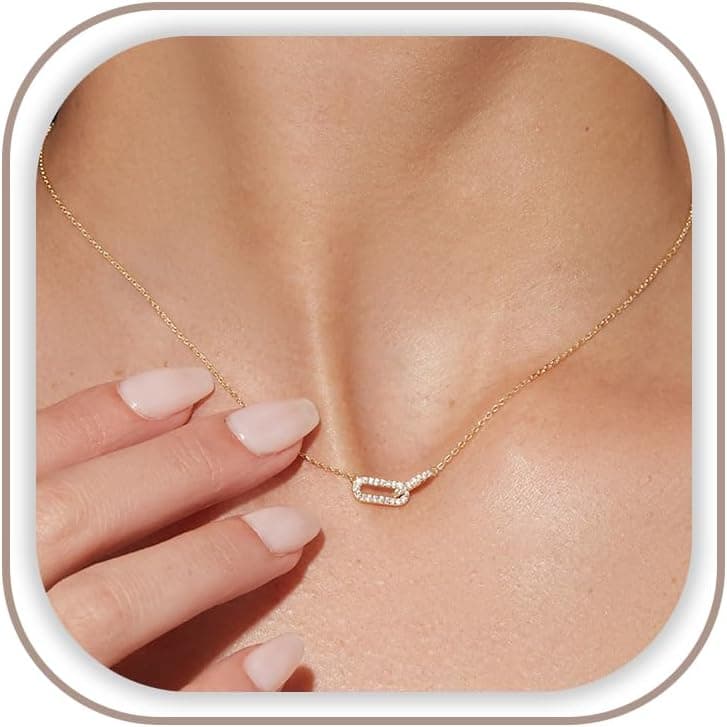
Freekiss
Freekiss Gold Pendant Necklace for Women, Dainty Diamond Necklaces for Women Simple 14K Gold Plated Paperclip Choker Necklaces Cute Minimalist Open Oval Necklaces Gold Jewelry for Women Gifts
★★★★☆4.5
$13.99
$19.99
-30 %
*
Senior jewelry editor specializing in buying guides, trend reports, and honest reviews.

Why this update (March 2026)
This guide remains pedagogical but now includes practical refinements reflecting market and sourcing trends from March 2026: greater emphasis on traceability, repairability, and realistic daily‑use testing. The goal is unchanged — give you a reproducible checklist — but we add clearer, measurable checks and a short decision matrix so you can act quickly in stores or online.
How to use the guide (quick workflow)
Decision matrix (one-page)
| Use case | Priorities | Typical choices |
|---|---|---|
| Daily, active | corrosion resistance, strong clasp, hypoallergenic | stainless steel, 14K gold, robust lobster clasp |
| Occasional, fashion | looks, price | vermeil/plated pieces with documented re-plating options |
| Heirloom | traceability, repairability, precious metals | 14K/18K gold, secure prong/bezel settings, documented provenance |
Practical links
For chain-specific questions (length and link types) see our practical chain guide: Necklace Chains - Selection and Practical Advice. This guide is designed to sit alongside category resources so you can jump from conceptual checks to product lists and sourcing notes.
If you prefer French content, use the equivalent linked chapter in the site taxonomy to compare chain types and maintenance strategies: Chaînes pour colliers - sélection et conseils.
Use this page as your checklist: measure, inspect, test in real life, and validate repair options and material declarations before committing to a purchase. The following sections expand each step with examples, inspection cues, and short tests you can do in store or at home.
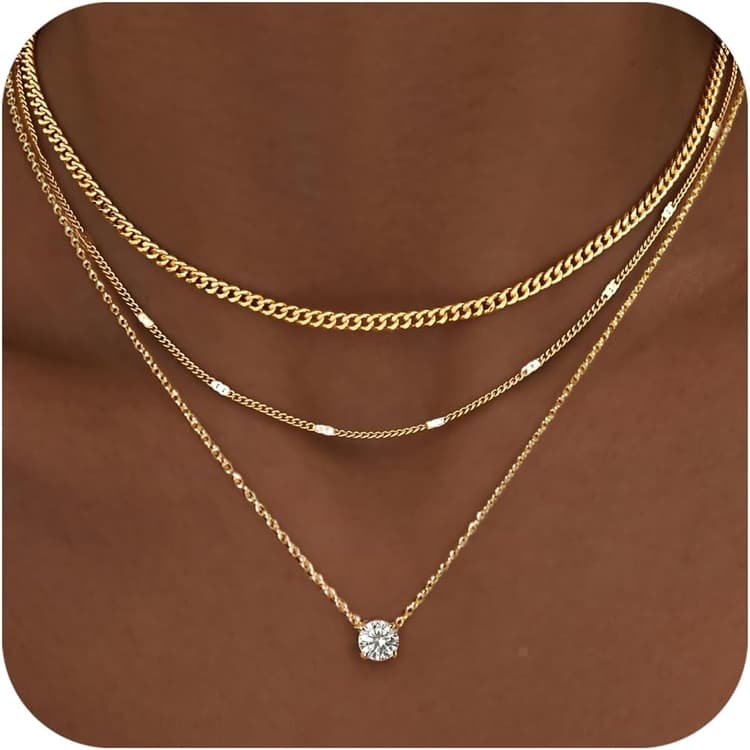
Freekiss
$13.99
$19.99
-30 %
*
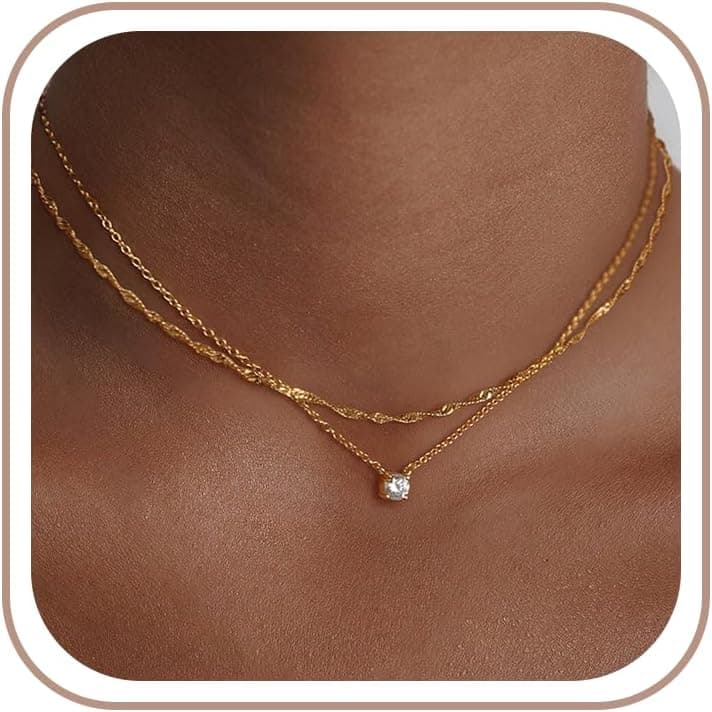
WomenGifts
$11.99
$16.99
-29 %
*
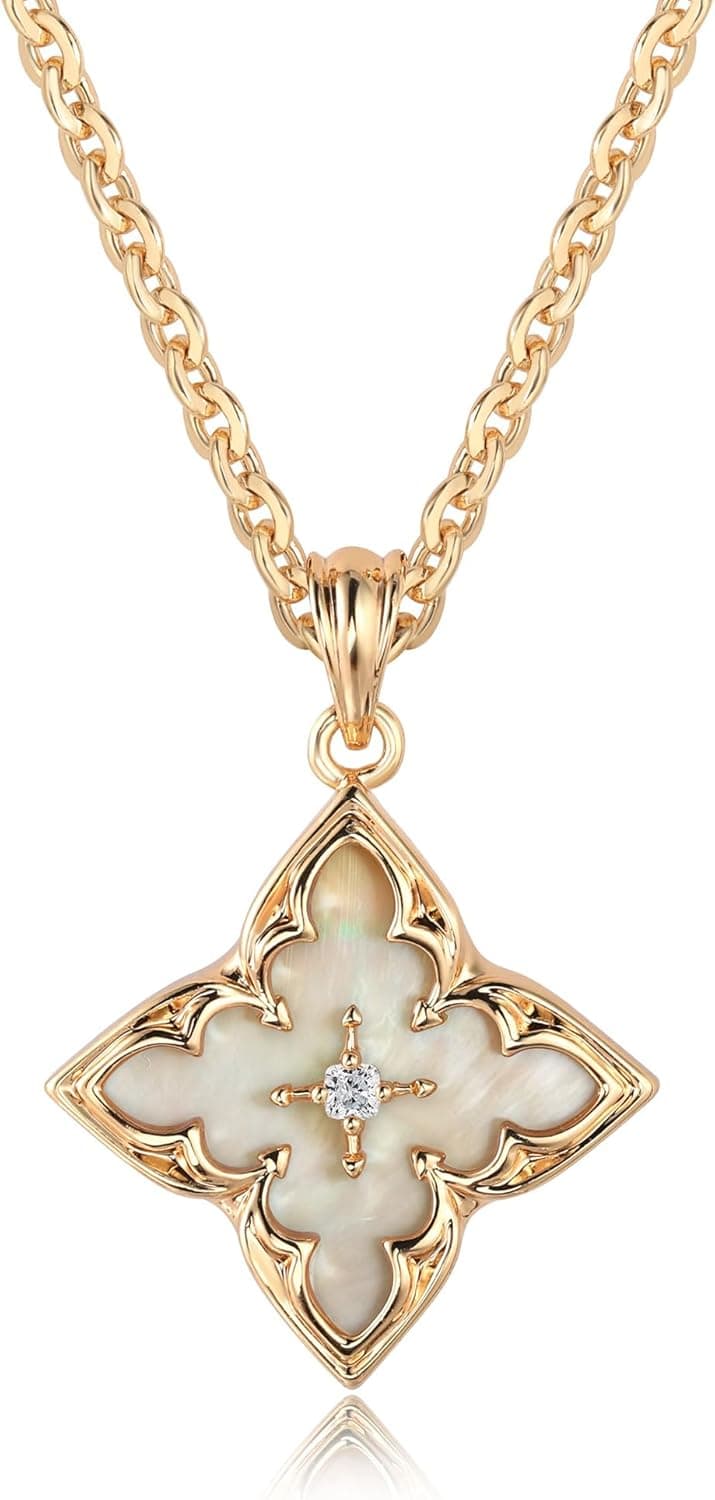
Treasure Bender
$9.99
$12.99
-23 %
*
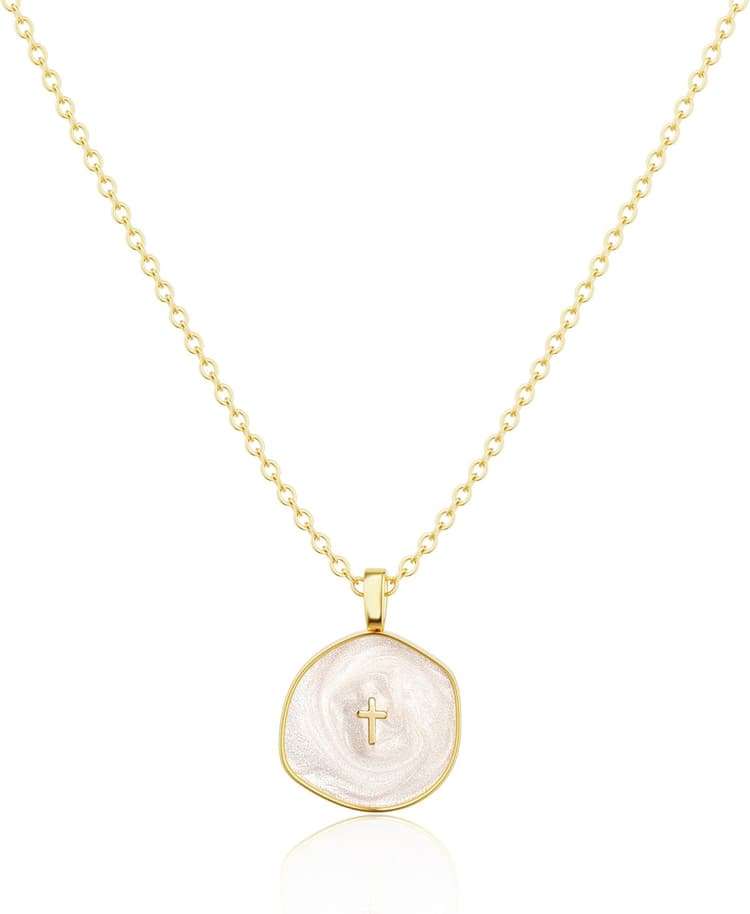
Fettero
$23.74
$29.99
-21 %
*
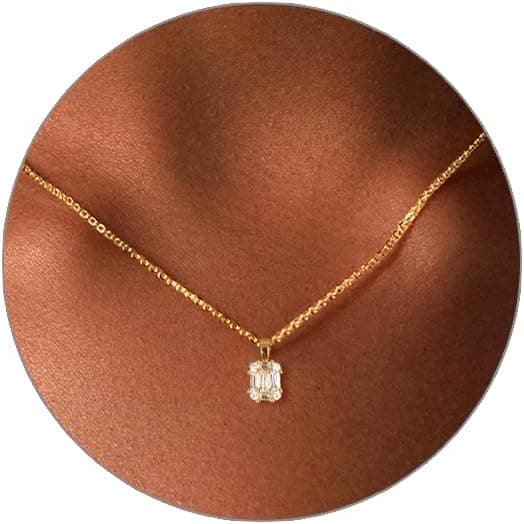
Tewiky
$8.99
$9.99
-10 %
*
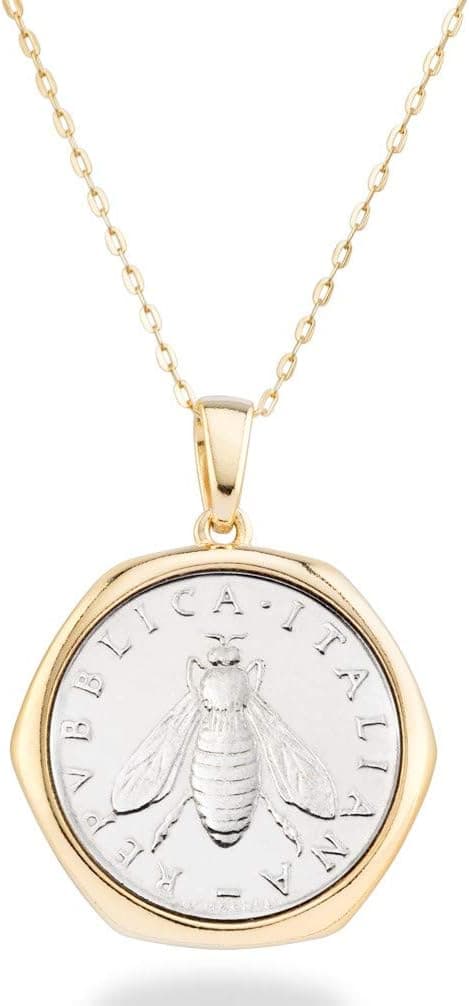
Luxval
$8.99
$9.99
-10 %
*
Miabella
$59.90
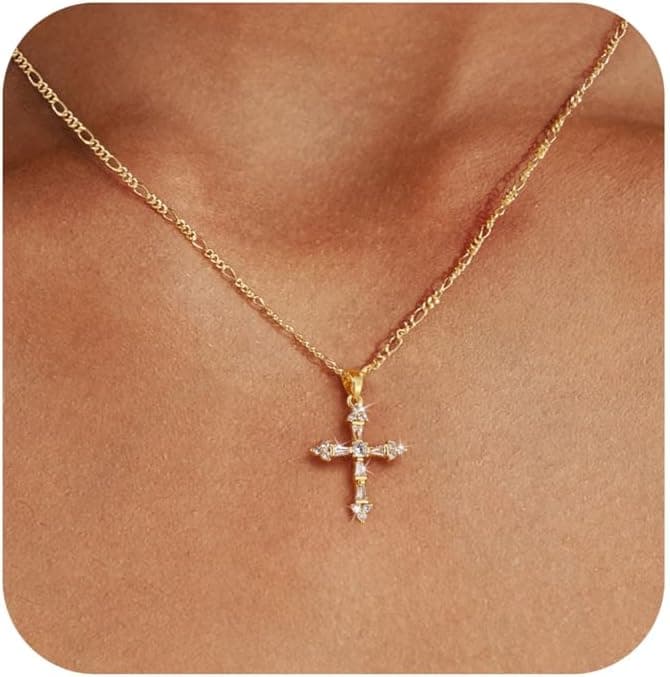
LuckFairy
$9.99
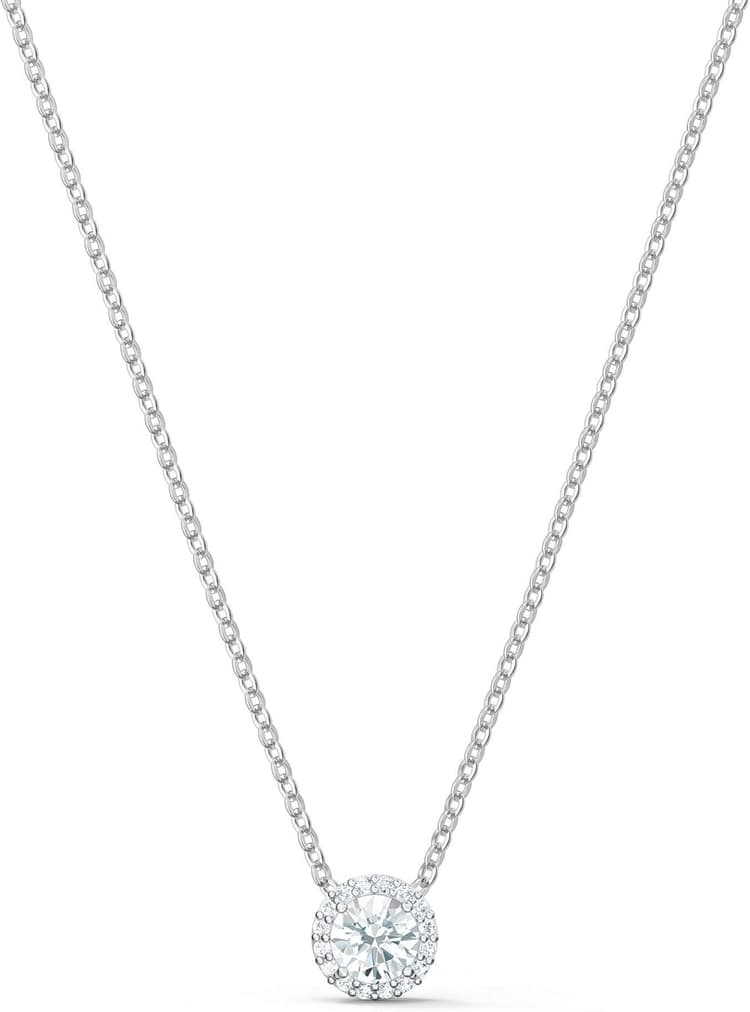
Swarovski
$66.50
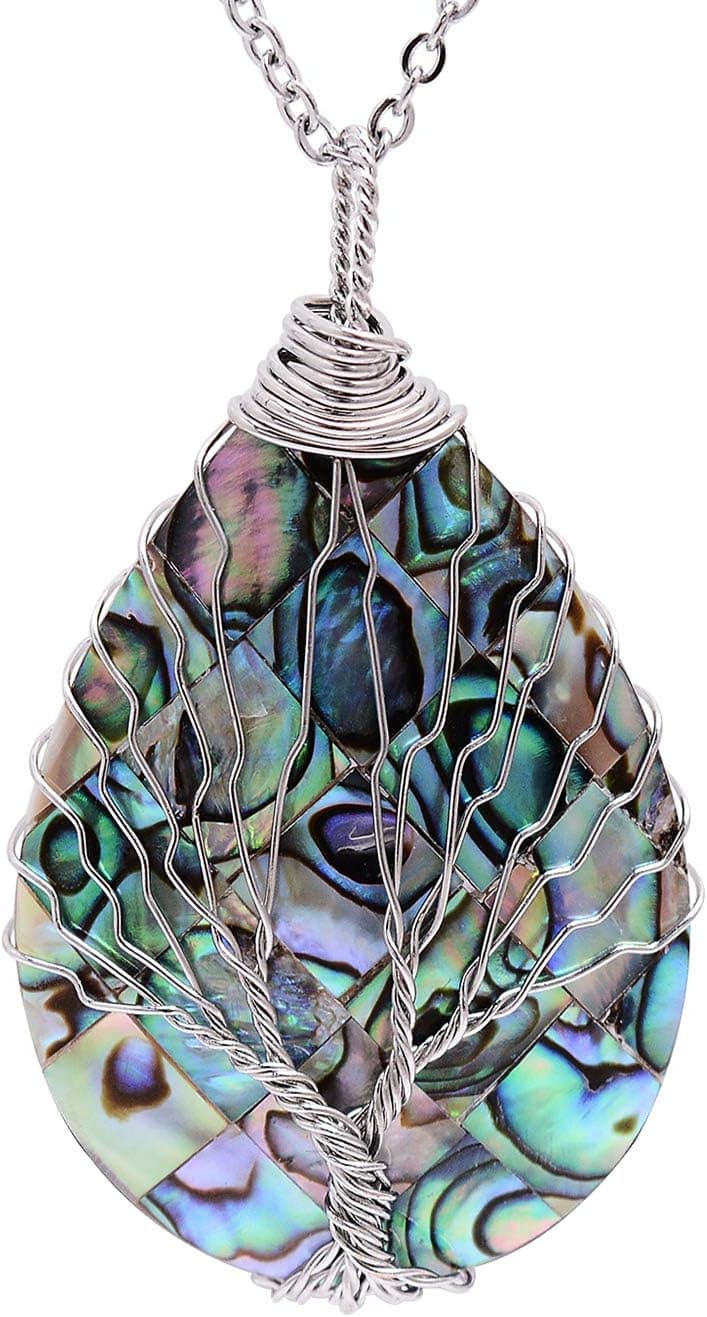
sedmart
$13.99
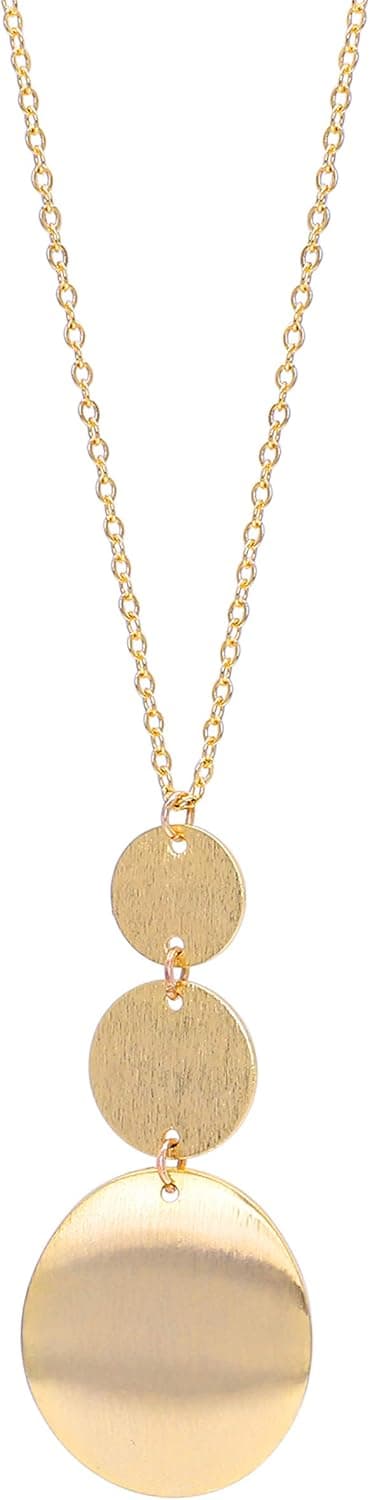
PERNNLA PEARL
$12.99
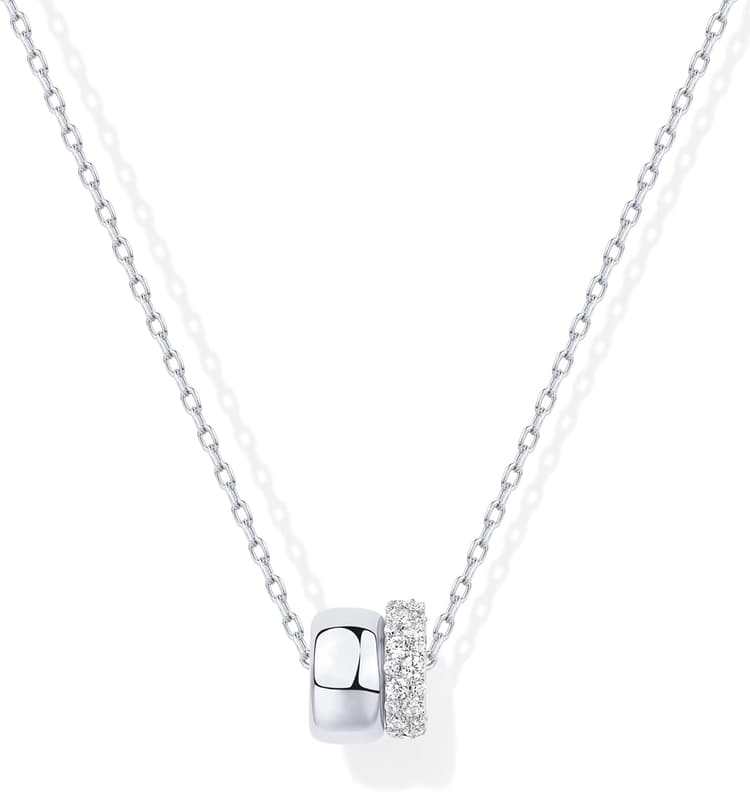
PAVOI
$15.45
Start by clarifying three core aspects: the style you want, how often you'll wear the necklace, and the contexts where you'll use it. Style can be minimalist, bold, or sentimental. For instance, a small pendant is ideal for daily understated wear; a larger pendant suits evening outfits. Frequency of wear affects material choice: everyday pieces need hard-wearing metals and finishes that resist rubbing.
Ask practical questions:
Answers will guide budget and technical choices. If you swim frequently or handle rough tasks, avoid corrosion-prone alloys and favor stainless steel or solid gold. If the pendant has sentimental value, prioritize durable settings and long-lasting metals over fleeting design trends.
Also consider skin tone, typical neckline, and hair length because they affect perceived scale and finish: polished surfaces show up well against dark fabrics while textured finishes read better in diffuse light. This initial assessment narrows options and makes the selection process pragmatic and manageable.
Context (March 2026)
Price signals for pendant necklaces in 2026 are shaped by raw material swings, increased traceability costs, and growing demand for repairable pieces. Recent market reports show gold-price volatility and a stronger buyer preference for transparent sourcing and repair warranties; those factors often appear as line items on invoices.
Primary cost drivers (at-a-glance)
Practical reading of a price tag
Short comparative table
| Tier | Typical materials | When it makes sense |
|---|---|---|
| Value | plated/ costume alloys | trend pieces, experimentations |
| Mid | sterling silver, stainless steel, vermeil | daily wear with budget-conscious durability |
| Premium | 14K/18K gold, certified stones | heirloom intent, traceability and repairability desired |
For recent market analysis and gold-price context, see our weekly roundup: Jewelry week roundup: gold-market tensions, retail initiatives and local incidents. In French, consult the equivalent: Semaine bijoux et marches: tensions du prix de l'or, initiatives commerciales et faits divers.
Use these checks to weigh upfront price vs expected lifespan — spending more on a daily-worn piece often saves money and disappointment over time.
Fit is functional
Size and comfort determine whether a pendant becomes your daily favorite or stays in the drawer. Focus on three measurable elements: chain length, pendant dimensions, and weight distribution. Below are simple tests and a small table to help you predict in‑use behaviour.
Chain length and placement
Pendant proportion and silhouette
Weight, balance and chain gauge
| Pendant weight (informal) | Recommended chain gauge | Notes |
|---|---|---|
| Light (up to 2 g) | 0.4–0.7 mm | works with delicate chains |
| Medium (2–6 g) | 0.7–1.2 mm | versatile for everyday use |
| Heavy (6 g+) | 1.2 mm+ | use thicker forgat/rope/snake chains |
In‑store practical test (do this before buying)
If you plan layered looks, review our curated layering tips and picks to choose complementary lengths: Layered Necklaces - Selections and Buying Tips. For French readers, see: Colliers superposés - sélections et conseils.
Comfort is as important as style: a well-balanced medium pendant on a matched chain typically yields the best mix of appearance and wearability for most daily wardrobes.
Overview
Material choice is the single biggest determinant of longevity and day‑to‑day behaviour. In 2026, buyers increasingly balance appearance with traceability and the ability to have pieces serviced. Below are concrete checks and trade-offs you can use when evaluating materials.
Materials, pros & cons
Surface finishes and maintenance
Stone considerations
Practical checklist at purchase
For extended guidance on gold and certification, see: How to Choose Gold & Diamond Jewelry — Practical Step‑by‑Step Guide. In French, consult: Comment choisir des bijoux en or et diamants — Guide pratique.
Prioritize repairability and documented composition for pieces you plan to wear daily or keep long-term — an easily repairable 14K gold pendant will often outperform a cheaper plated piece across years of wear.
Inspection-first approach
When you compare pendant options, use a short list of observable, testable features. This turns subjective impressions into objective decisions you can make in-store or from a close-up product page.
Core feature checklist
Everyday performance tests to run
Short decision table
| Feature | Red flag | Action |
|---|---|---|
| Clasp | thin metal, loose spring | choose alternative or plan for reinforcement |
| Bail | wide slit, unsoldered loop | avoid or have soldering option available |
| Chain | too thin for weight | swap to thicker chain |
| Stones | visible play | reject or ask for repair before purchase |
For practical chain recommendations that pair with pendants, see: Necklace Chains - Selection and Practical Advice. En français, parcourez: Chaînes pour colliers - sélection et conseils.
Use these simple tests to quickly weed out fragile options. Robust choices (solid clasp, soldered bail, matching chain gauge) reduce accidental loss and maintenance down the line, letting you focus on style without sacrificing daily usability.
Common mistakes:
Accessible expert tips:
Pedagogical summary: combine visual assessment (style), practical tests (comfort, clasp), and technical checks (material, setting). These steps turn an emotional purchase into a reasoned and durable choice.
Miabella
$59.90
LuckFairy
$9.99
Swarovski
$66.50
Fettero
$23.74
$29.99
-21 %
*sedmart
$13.99
Tewiky
$8.99
$9.99
-10 %
*PERNNLA PEARL
$12.99
PAVOI
$15.45
Freekiss
$13.99
$19.99
-30 %
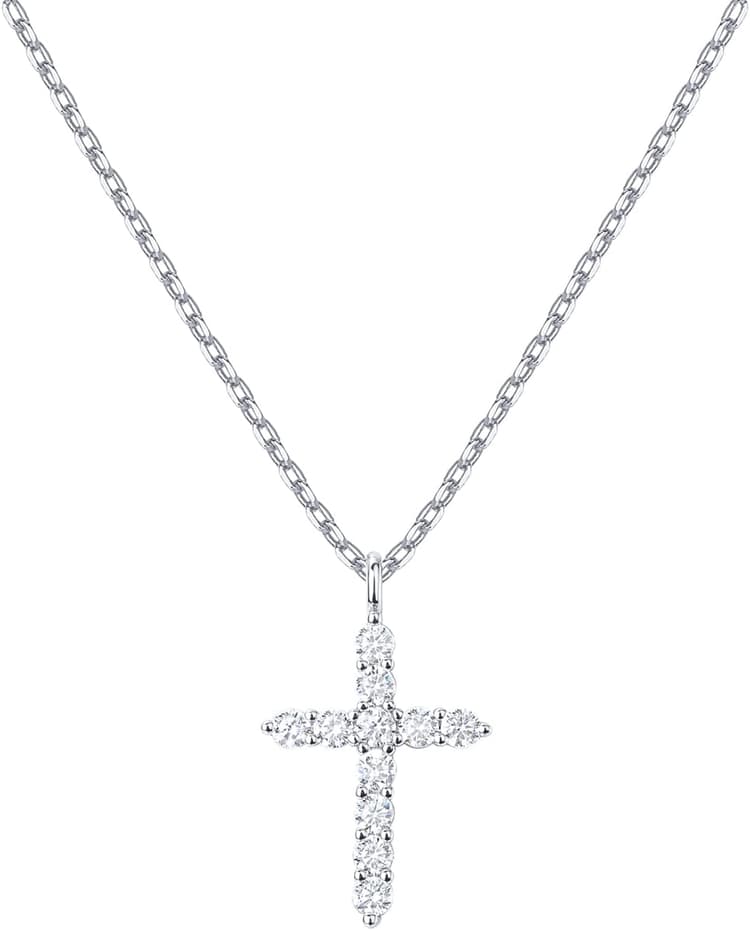
*
PAVOI
$13.95
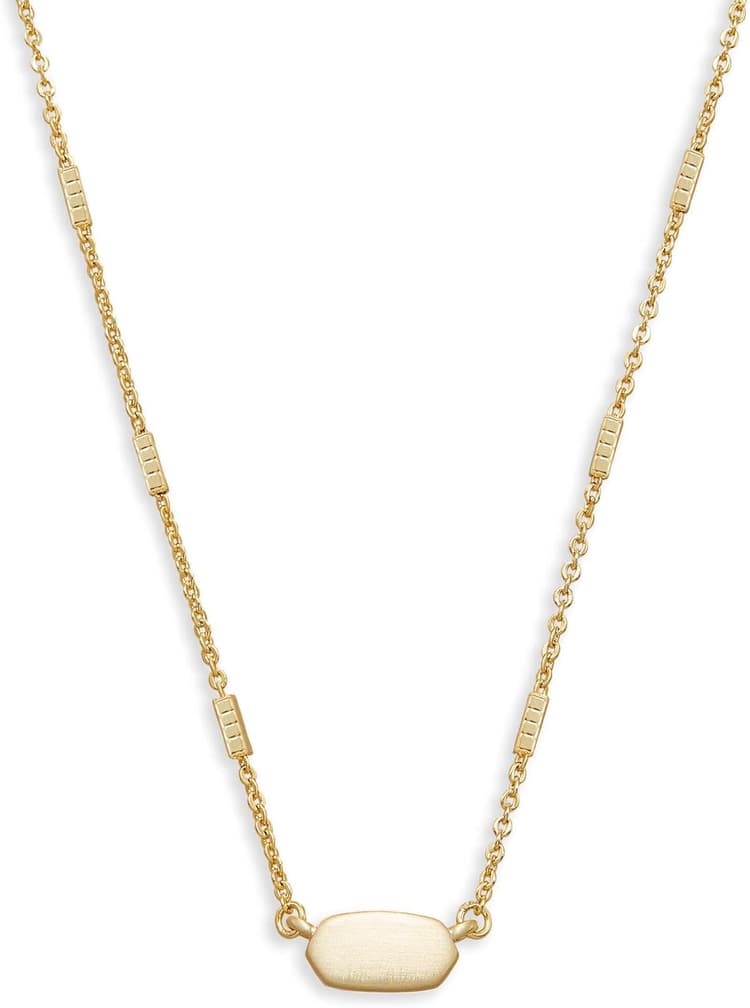
Kendra Scott
$55.00
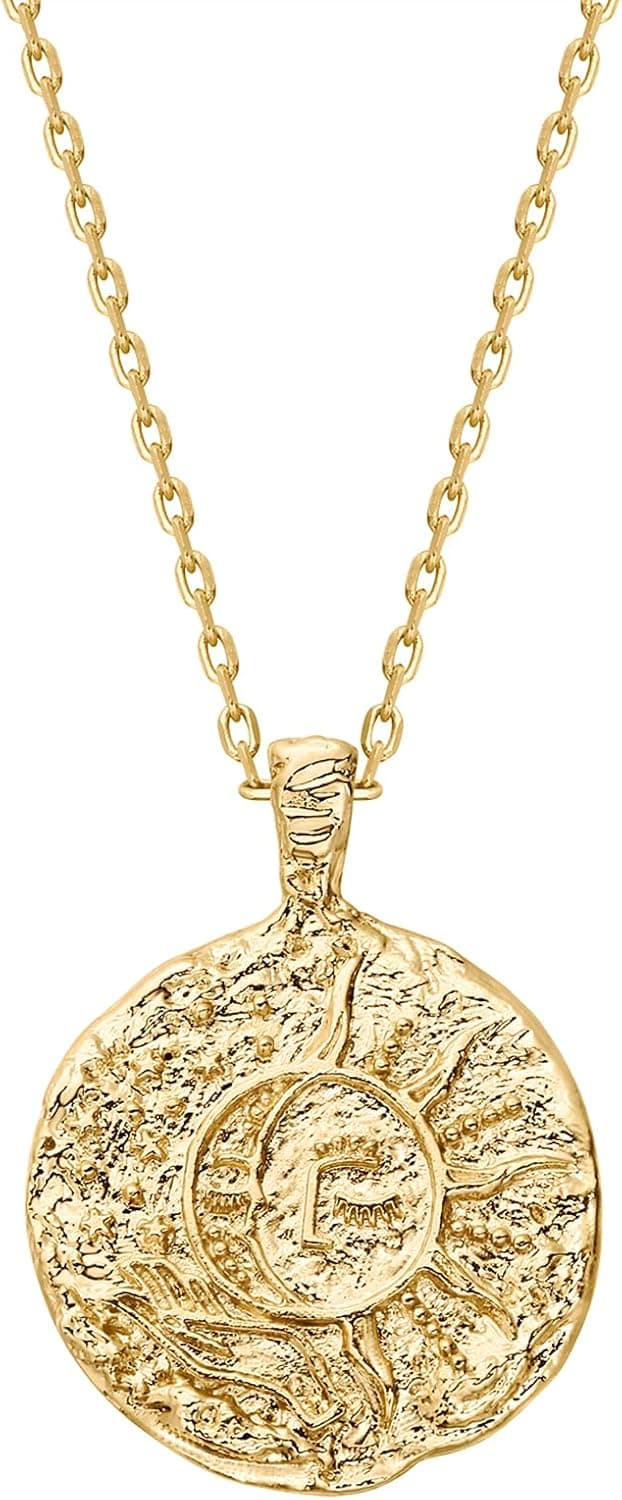
PAVOI
$14.95
In closing, focus on three evaluation axes: intended use, construction, and comfort. First define use (daily, occasional, sentimental), then assess construction (material, setting, clasp), and finally test comfort (length, weight, pendant movement). These axes help you allocate budget and identify acceptable trade-offs.
Take a stepwise approach: assess needs, compare measurable features, and verify in real-life conditions. Small checks (inspect the bail, try the clasp, ask for metal composition) greatly reduce the chance of disappointment. If longevity is important, prioritize stable metals and quality assembly; for trend-driven pieces, plated options may suffice but will need more maintenance and eventual replacement.
Using the methods in this guide gives you a repeatable framework to choose a pendant necklace that is appropriate for your lifestyle, well-built, and comfortable to wear. Keep the checklist handy for your next search to compare options quickly and decide with confidence.
This guide was written using pedagogical principles and a synthesis of jewelry best practices, without referencing specific products or brands. Recommendations are based on technical and usage criteria (materials, setting, clasps, ergonomics) to support decision-making. No price figures, brand names, or fabricated commercial data were used.
Editorially, the chosen approach is pedagogical: explain why quality differs and provide concrete steps to confirm a purchase. If affiliate links or partnerships are used on a site publishing this guide, the publisher should disclose those relationships separately. The guidance aims to be neutral and actionable and does not replace medical or professional advice on health-related issues.
Our guides compare and assess jewelry using objective criteria and expert insight.
We regularly update articles to reflect new releases and recent tests.
We may earn a commission if you buy via our links; this does not influence our editorial selection.
When you click, you are redirected to partner retailers chosen for their reputation.