
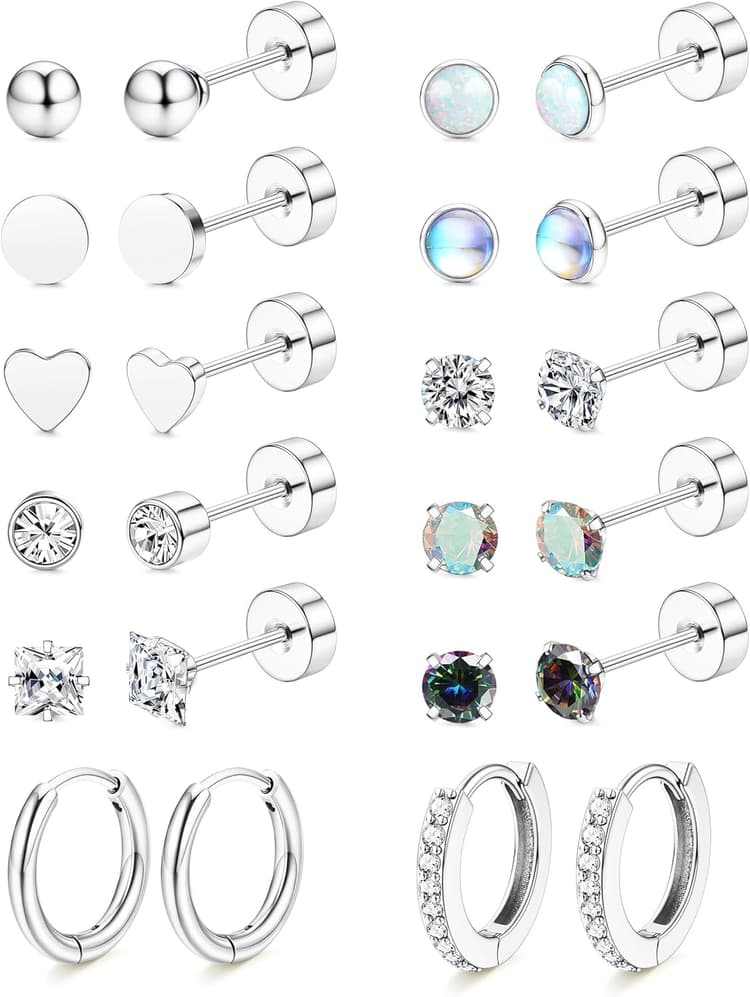
LOLIAS
LOLIAS Hypoallergenic Flat Back Earrings for Women-Surgical Steel Earrings for Sensitive Ears 20G Stainless Steel Earring Stacks Small Flatback Stud Hoop Cartilage Earring
★★★★☆4.3
$9.99
$14.99
-33 %
*
Senior jewelry editor specializing in buying guides, trend reports, and honest reviews.

Purpose and scope (March 2026 update)
This guide is practical and outcomes-focused: it turns common earring questions into measurable checks you can use in-store or online. In 2026 the market mixes high‑value classics (solid gold and certified gems), durable daily metals (316L stainless steel, medical titanium), and fashion-led plated options that prioritise looks over longevity. Our goal is to help you match an actual use case—daily commuter, athlete, night‑out, or gift—to technical features that matter: post diameter and length, back style, alloy composition and surface treatment.
At a glance: what you will find here
Why this matters now
Consumer expectations in 2026 emphasise traceability, durable finishes, and realistic warranties. If you care about long-term comfort and reduced replacements, understanding the technical side of studs saves money and skin trouble. For quick reference, compare product pages against the Studs category or see curated selections in our Studs — top picks to match the guidance here with real offers.
How to use this guide
This introduction frames the rest of the guide: actionable steps, up‑to‑date material advice for March 2026, and clear checks you can run on any product page or in any store before buying.
LOLIAS
$9.99
$14.99
-33 %
*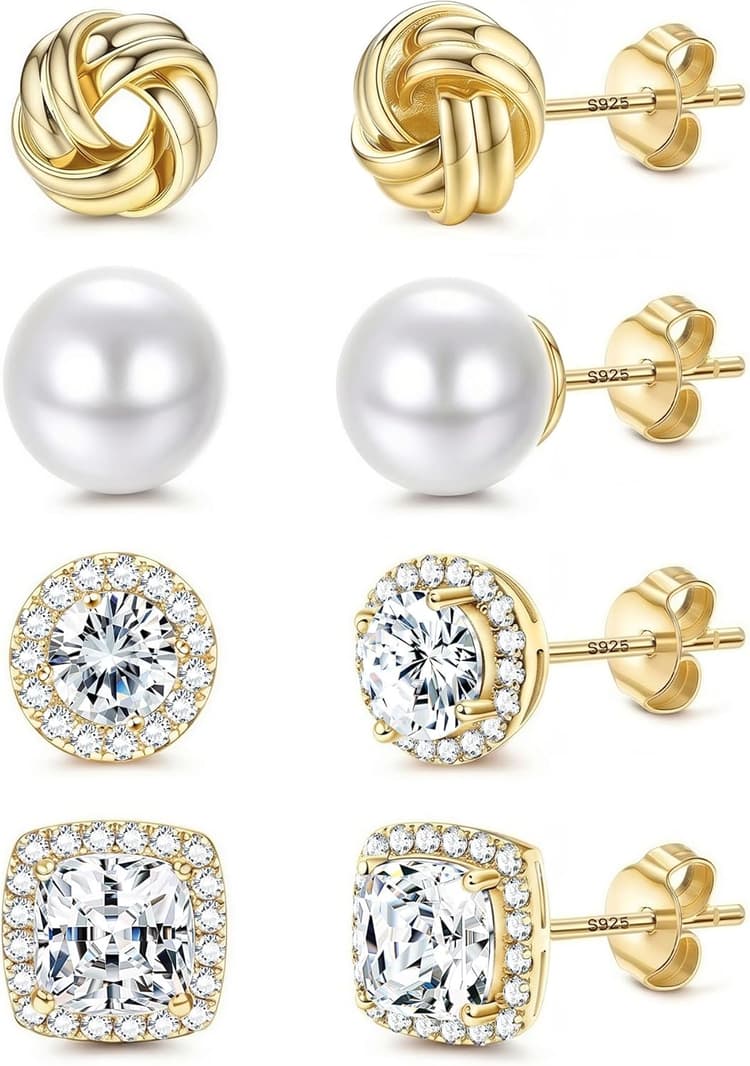
FIBO STEEL
$13.99
$19.99
-30 %
*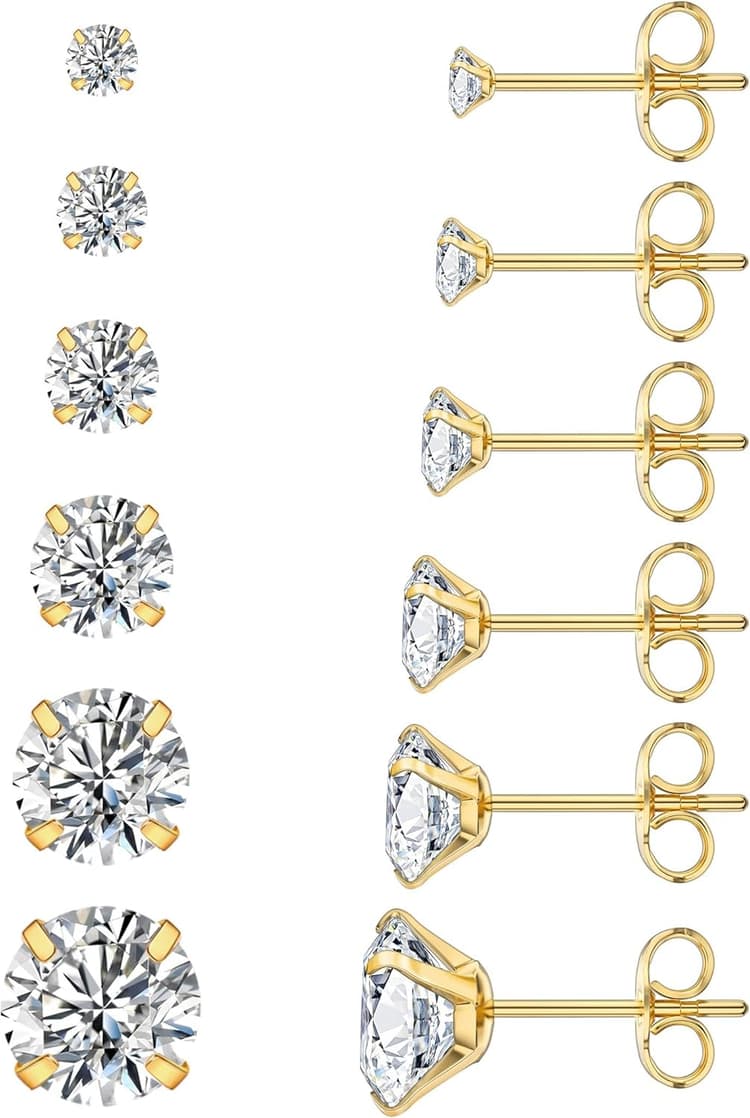
Wssxc
$9.99
$12.99
-23 %
*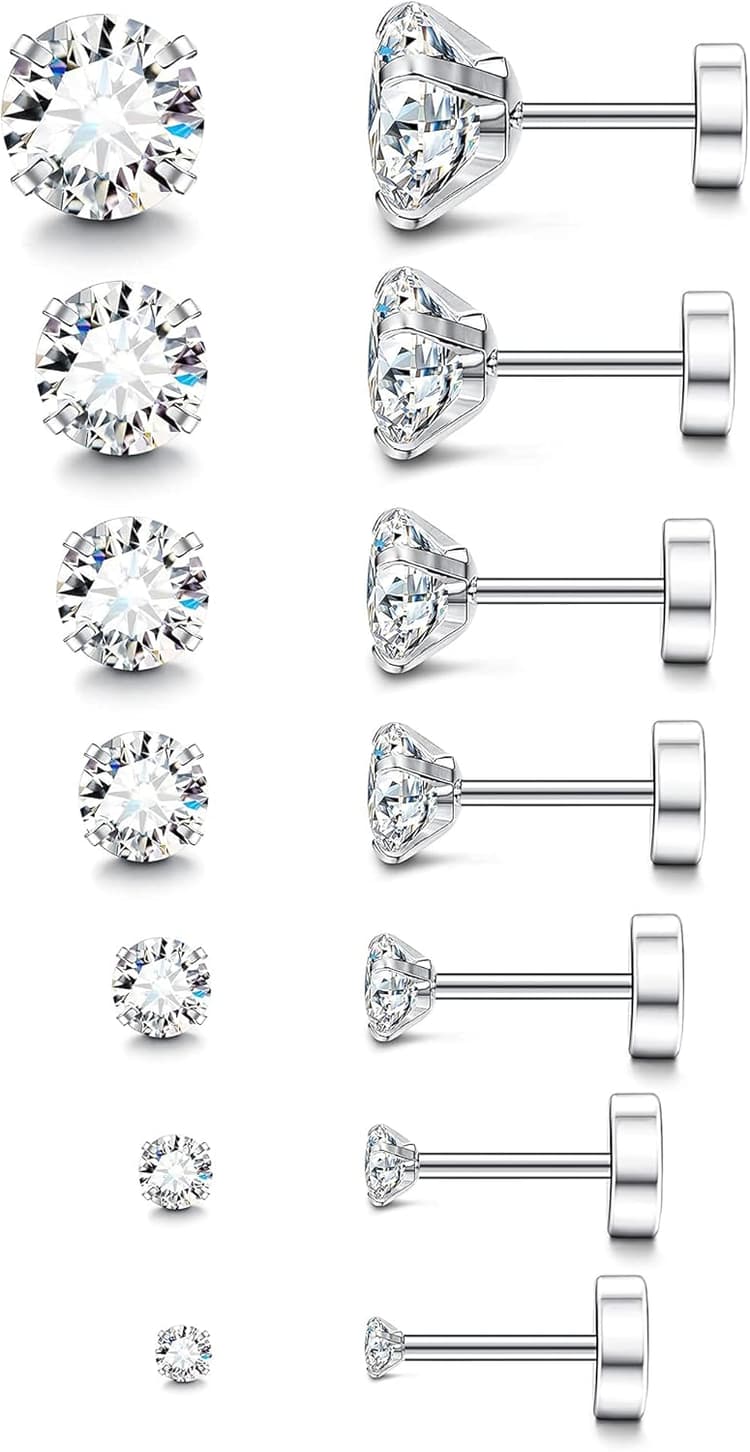
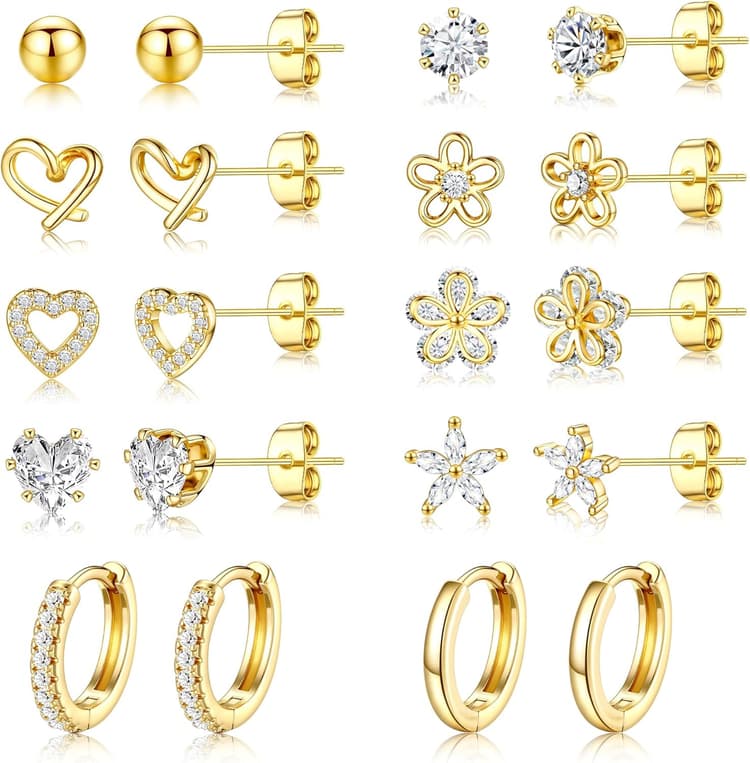
Fansilver
$9.99
$12.99
-23 %
*
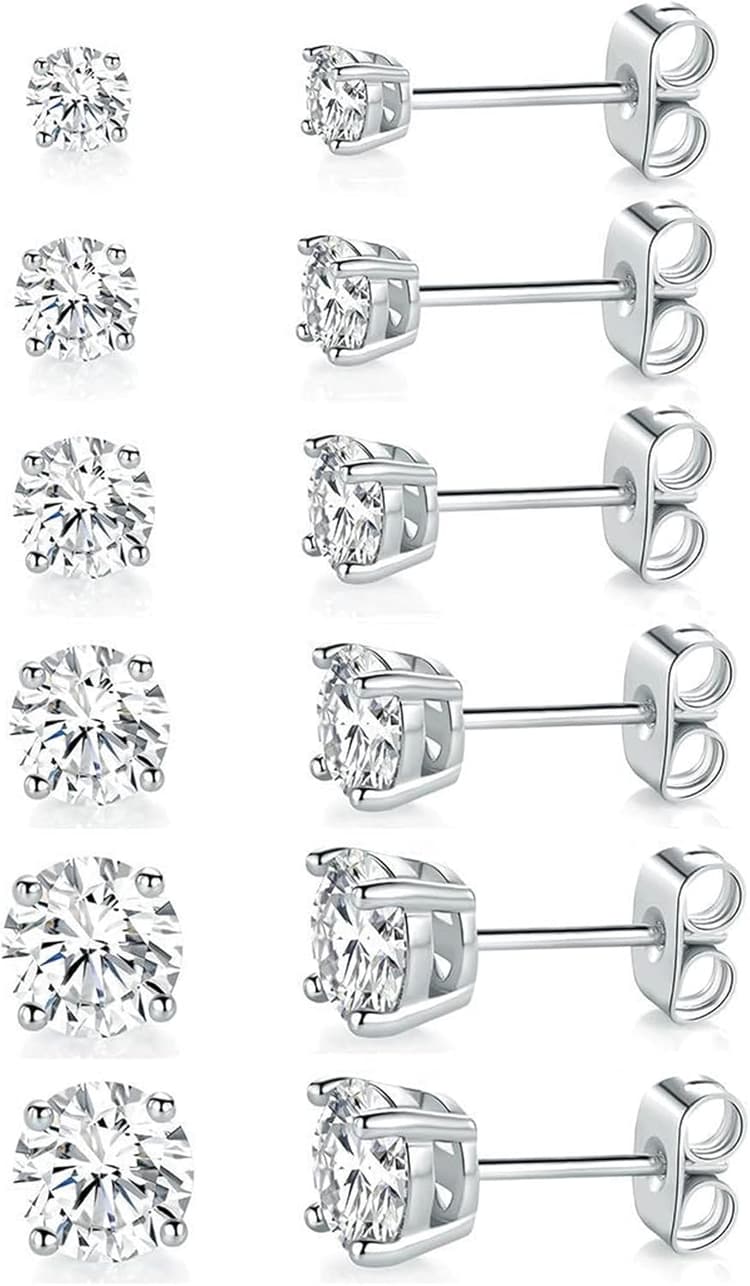
Ritach
$13.99
$14.99
-7 %
*
MDFUN
$15.99
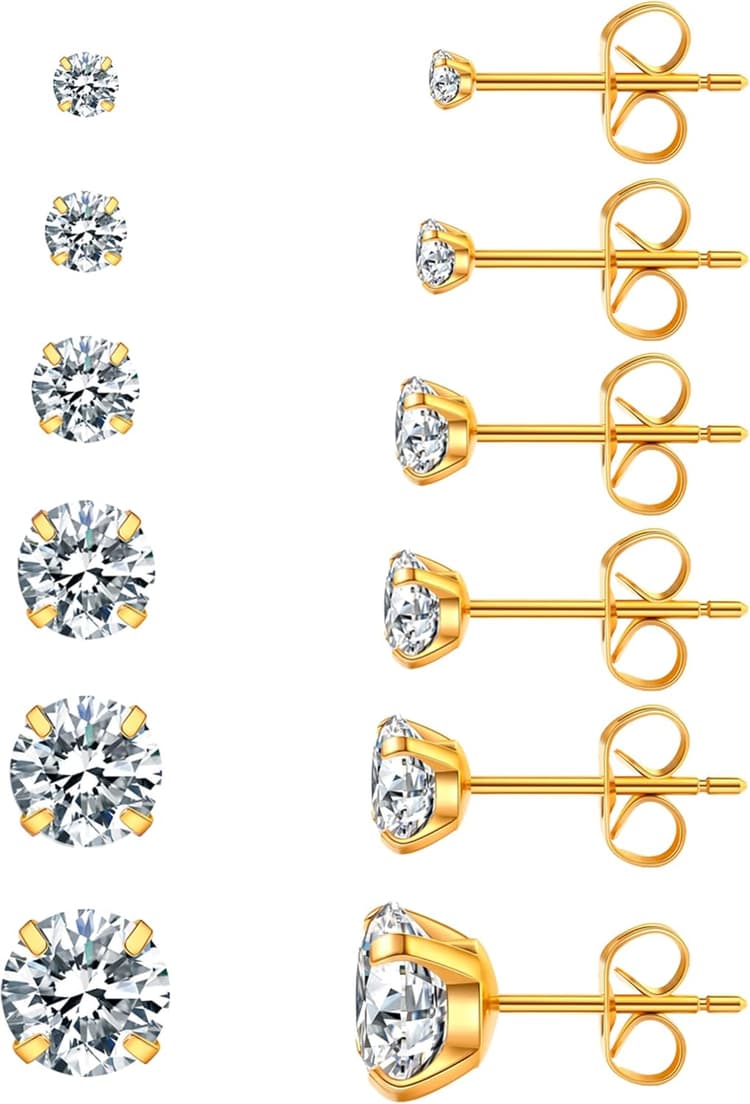
Wssxc
$9.99
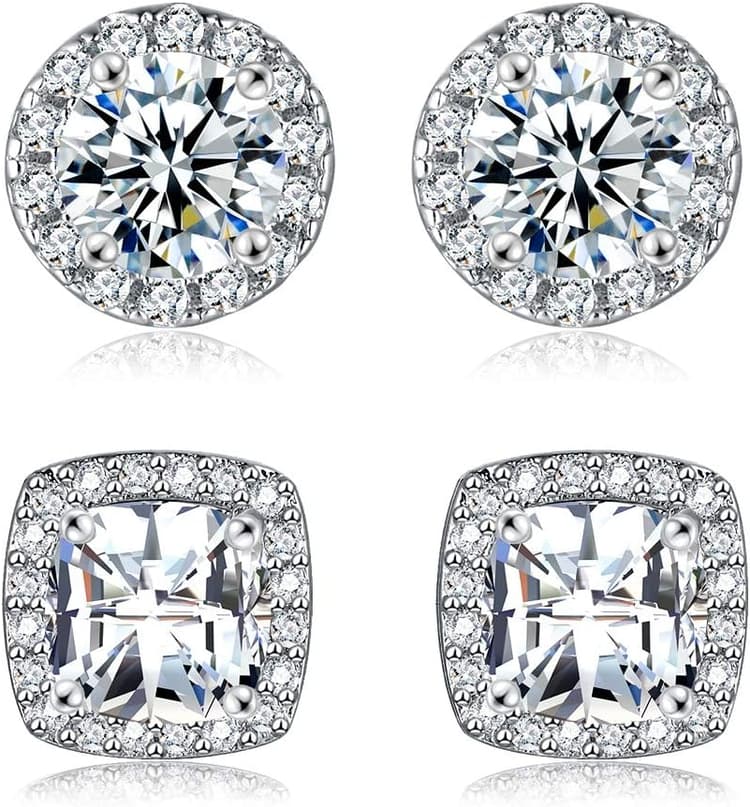
OPOMOMO
$7.69
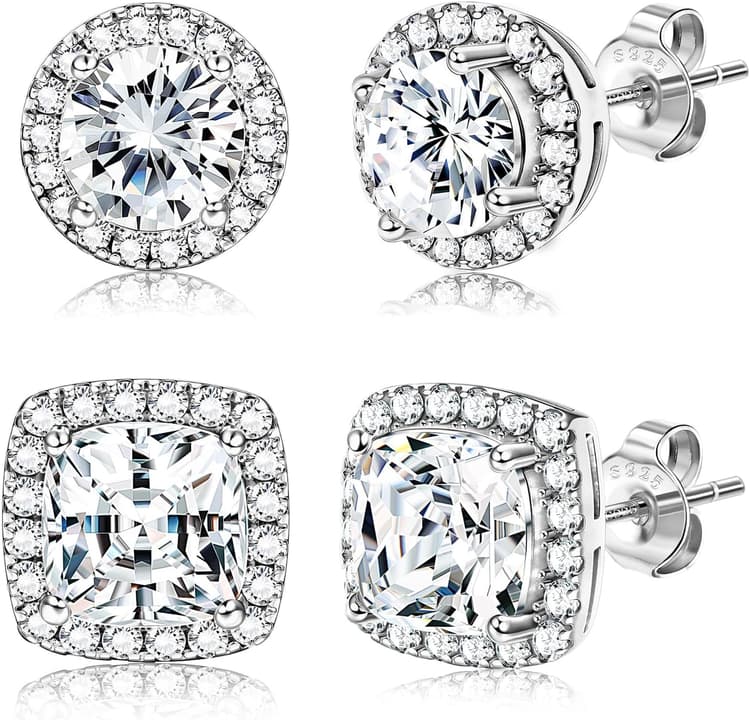
Hayoso
$9.97
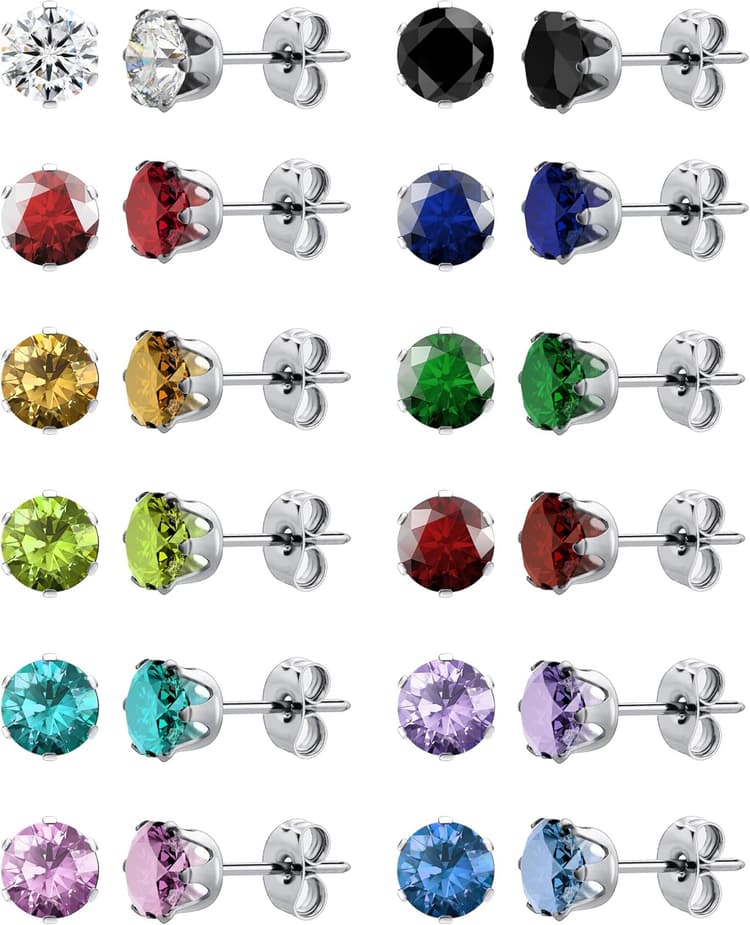
Wssxc
$9.99
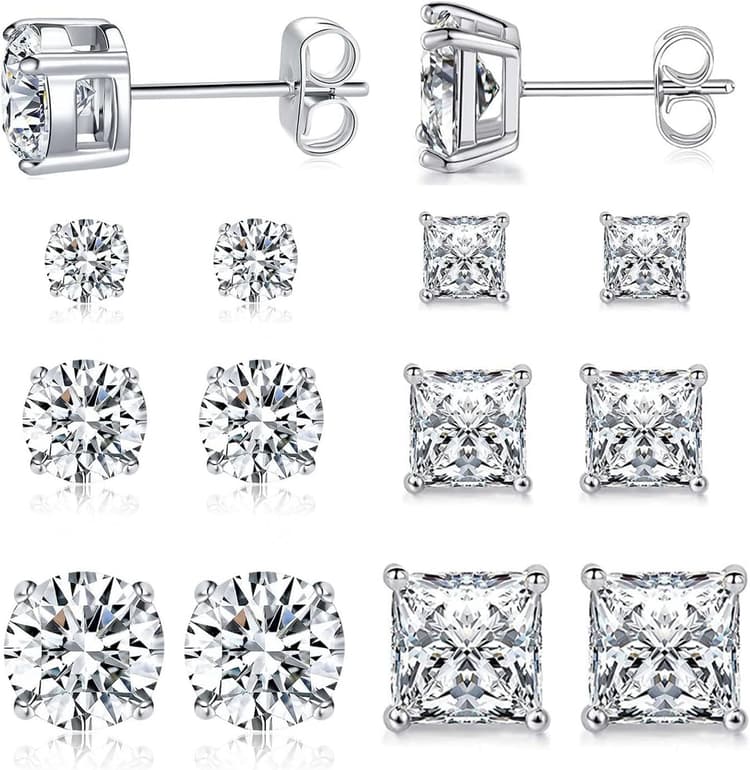
MDFUN
$15.99
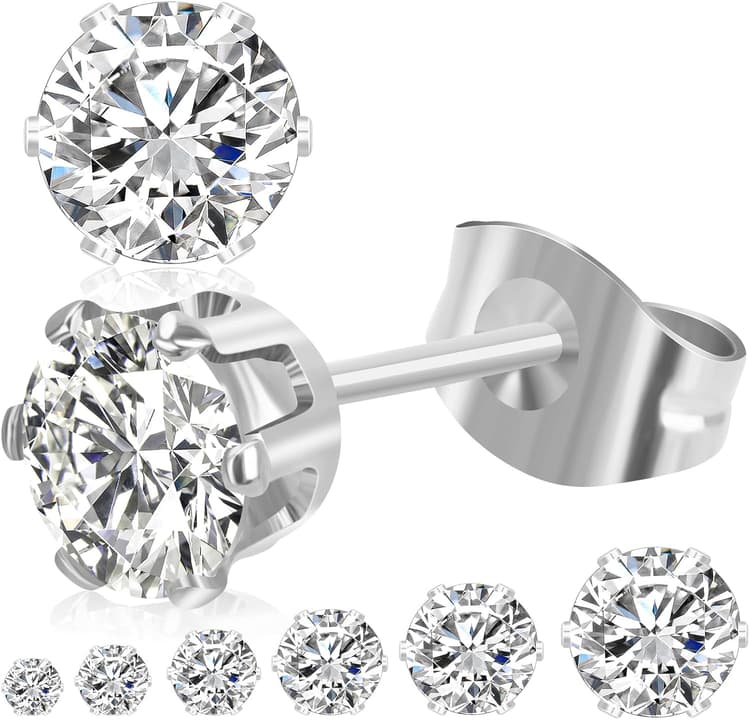
CLVJQ
$5.99
Start with three clear questions
Answering these lets you prioritise the technical features that matter: material for skin tolerance, post length/diameter for fit, and back type for security. In practice, divide use cases into three buckets:
Style and scale rules
Skin tolerance — concrete checks
Actionable checklist (copyable)
Use your answers to filter choices on category pages such as Studs — top picks or to browse practical comparisons in related guides. When shopping online, add the product’s metal description to a quick notes field and compare it against your checklist before purchase. This disciplined start reduces returns and ensures the studs you pick align with how you actually live.
Three price tiers — simplified and up‑to‑date
Key cost drivers
| Driver | Why it matters |
|---|---|
| Metal content | Solid gold pricing follows gold market and karat; alloys change durability and allergy risk. |
| Stone quality | Natural vs lab‑grown, cut and setting complexity impact labor and value. |
| Finishing & plating | Rhodium plating on silver adds cost and resistance to tarnish; quality plating lasts longer. |
| Hardware | Screw‑backs, security clasps and thicker posts increase manufacturing cost but improve wear performance. |
| Origin & QC | Brands with traceability, certified gems and in‑house QC charge a premium for reliability. |
Practical buying rule (March 2026)
For concrete examples and to align price expectations with product reality, compare candidates against curated selections such as Studs — top picks or consult our related Gold & Diamond guide when evaluating precious metal costs. Thinking in tiers helps you avoid paying a premium for appearance alone.
What 'size' actually means for studs
Size is a composite of: visible face diameter, post (shaft) thickness and length, and back design. Each dimension affects both look and comfort.
Visible diameter (aesthetic)
8 mm: statement territory—evaluate weight and backing.
Post thickness and length (fit & durability)
Back types and when to choose them
Practical in‑store and at‑home fit tests
Quick decision table
| Use | Post thickness | Back type |
|---|---|---|
| Daily, active | ≥0.95 mm | Screw or locking |
| Daily, desk work | 0.9–1.0 mm | Push or locking |
| Formal/occasion | 0.9–1.1 mm | Push or screw (for security) |
Where possible, compare dimensions on product pages and cross‑check with visual scale photos or the Studs category. For buyers in 2026, prioritise polished, rounded posts and a back that matches your movement profile—this combination delivers comfort and reduces long‑term irritation.
Overview of common materials (practical focus)
Stones and settings — what to inspect
Durability checklist before buying
Care and maintenance (practical routine)
To put these choices in context, compare durable daily metals on our Studs — top picks or browse alternatives in the Clous d'oreille category. Prioritise a metal that matches your activity level and tolerance: it is the single best predictor of satisfaction over time.
Six criteria to rate every pair (1–5 scale)
How to use the framework
Example scoring matrix (copyable)
| Pair | Material (x2) | Diameter | Post | Back | Setting | Finish | Total |
|---|---|---|---|---|---|---|---|
| A | 4x2=8 | 3 | 4 | 3 | 4 | 3 | 25 |
| B | 5x2=10 | 4 | 3 | 5 | 5 | 4 | 31 |
Interpreting scores
Checklist for verification before buying
Use this grid while comparing candidates on the Studs category or when examining curated selections in our Studs — top picks. Scoring objectively reduces impulse purchases and increases the chance you’ll keep and wear the studs frequently.
Three daily challenges for studs
Security best practices
Chemical and wear resistance
Maintenance routine (low effort)
Return and warranty checks before purchase
For real‑world comparisons, cross‑reference candidate listings with selections in the Studs — top picks and read any listed warranty or repair services. Choosing a pair that tolerates routine showering, makeup contact and pillow friction will significantly increase day‑to‑day satisfaction.
Top mistakes and how to avoid them
Mistake 1 — Buying for looks only: many choose a design without checking metal, post or back. Fix: confirm at least three technical points (material, post length, back type) before buying.
Mistake 2 — Underestimating the post & back: thin posts bend and cheap backs loosen. Fix: favour polished posts ≥0.9 mm and a back suited to your activity level.
Mistake 3 — Ignoring skin tolerance: buying plated without testing can trigger reactions. Fix: if you’ve had reactions, choose medical‑grade titanium or solid gold.
Mistake 4 — Bad storage: tossing studs into a jewellery bowl causes scratches and tangles. Fix: use separate compartments or soft pouches and anti‑tarnish strips for silver.
Practical expert tips (low effort, high impact)
Buying online: questions to ask
When in doubt, compare your shortlisted items against curated lists like Studs — top picks or the local category pages. These small actions prevent common regrets: fewer returns, less skin irritation and longer‑lasting studs you will actually wear.
MDFUN
$15.99
Wssxc
$9.99
OPOMOMO
$7.69
Hayoso
$9.97
Wssxc
$9.99
$12.99
-23 %
*Ritach
$13.99
$14.99
-7 %
*Fansilver
$9.99
$12.99
-23 %
*Wssxc
$9.99
MDFUN
$15.99
LOLIAS
$9.99
$14.99
-33 %
*CLVJQ
$5.99
FIBO STEEL
$13.99
$19.99
-30 %
*Three final steps to a confident purchase
Final checklist before confirming
Quick decision heuristics
For concrete model comparisons, cross‑check your shortlist with our curated lists like Studs — top picks or explore related category guides. Taking these measured steps—define, score, test—ensures you pick studs that fit, last and remain comfortable, reducing surprises after purchase and increasing the likelihood you’ll wear them often.
This guide is intended to inform and support decision-making without recommending specific products. It is based on technical criteria and common jewelry use practices. We do not reference brands or models to maintain a neutral analysis. The information comes from professional best practices and common usage sources and does not substitute for medical advice in case of skin reactions.
Our guides compare and assess jewelry using objective criteria and expert insight.
We regularly update articles to reflect new releases and recent tests.
We may earn a commission if you buy via our links; this does not influence our editorial selection.
When you click, you are redirected to partner retailers chosen for their reputation.