
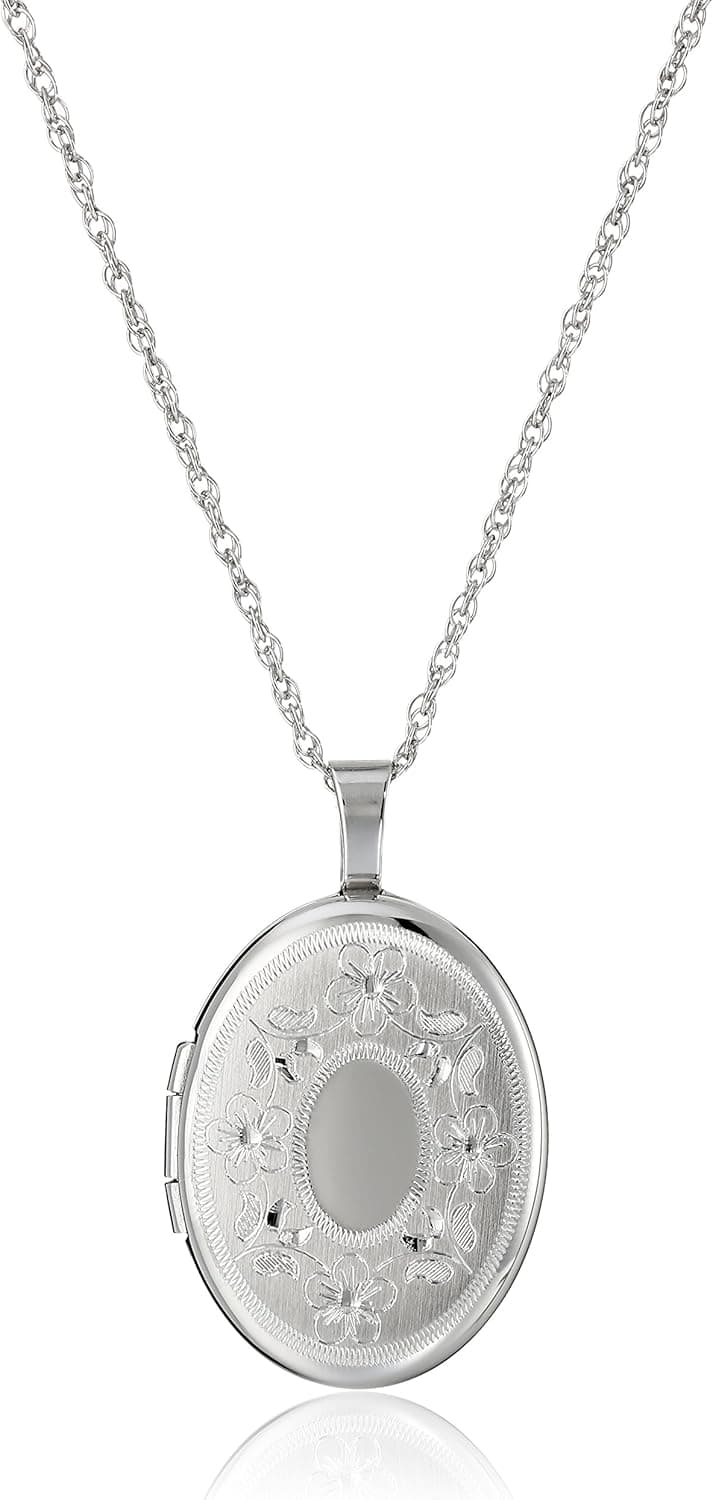
Amazon Essentials
Amazon Essentials Oval Hand Engraved Locket Necklace, 18"
★★★★☆4.5
$77.90
$95.00
-18 %
*
Product reviewer and deals editor focused on watches, gemstones, and budget-friendly jewelry picks.

Why this guide exists (short answer): to help you make a confident, practical locket choice in 2026 by focusing on real, measurable attributes (mechanism, materials, fit, and maintenance) instead of marketing language. Lockets are both sentimental containers and everyday jewelry; the right pick depends on use-case rather than trend.
What you’ll get from this guide:
How we framed recommendations:
| Decision area | Why it matters | Quick indicator to look for |
|---|---|---|
| Purpose & frequency | Determines durability needs | Daily wear → robust hinge / sealed window |
| Material & skin safety | Affects longevity and comfort | 'Nickel-free' / PVD / solid metal specified |
| Size & weight | Comfort and clothing compatibility | Weight listed in grams; bail width noted |
Practical navigation: follow the short exercise in the "Assessing your needs" section to create a 3–5 item priority list. Use that list to filter technical specs in product pages.
Internal references: if you want quick product selections to test the theory on real items, see our curated picks in "Lockets for Necklaces - Selection and Practical Advice". For chain-length context and how a chain changes pendant position, pair this advice with our "How to Choose a Jewelry Chain".
This guide is intentionally brand-agnostic and focused on attributes you can verify in listings (material spec, hinge description, photos of the interior). Use it to ask targeted questions to sellers and to reduce post-purchase regret.
Amazon Essentials
$77.90
$95.00
-18 %
*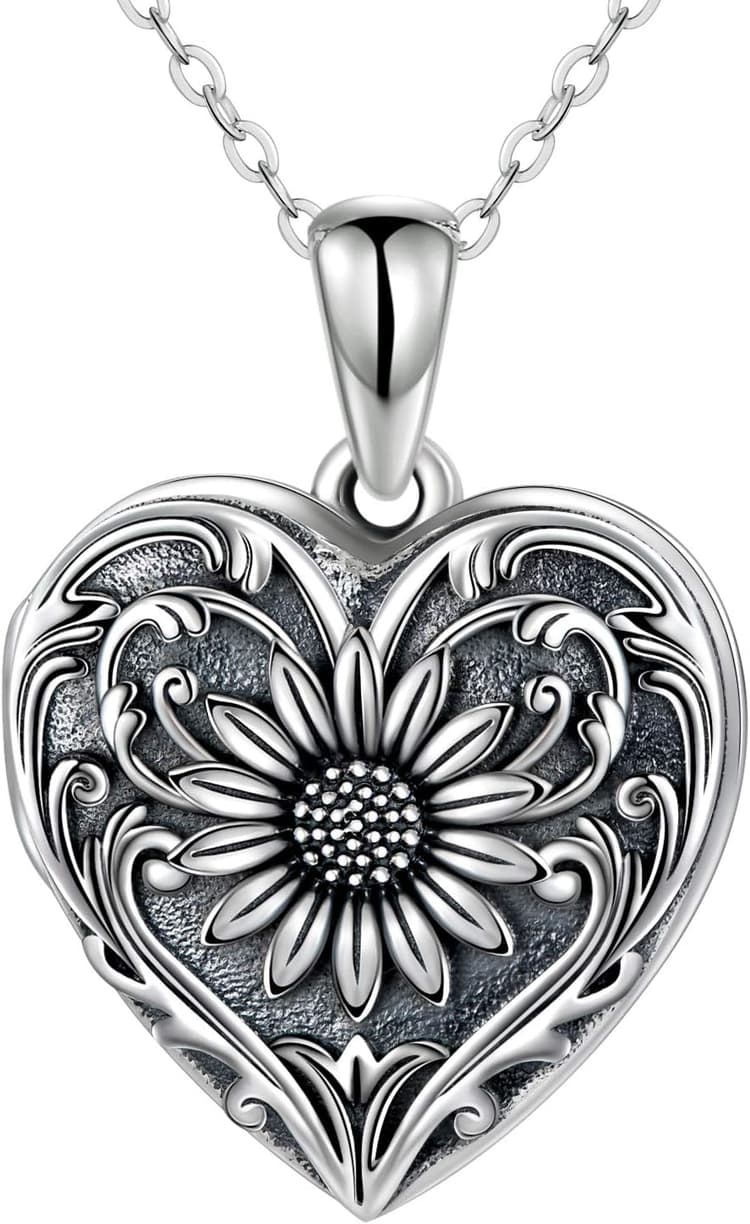
SOULMEET
$129.99
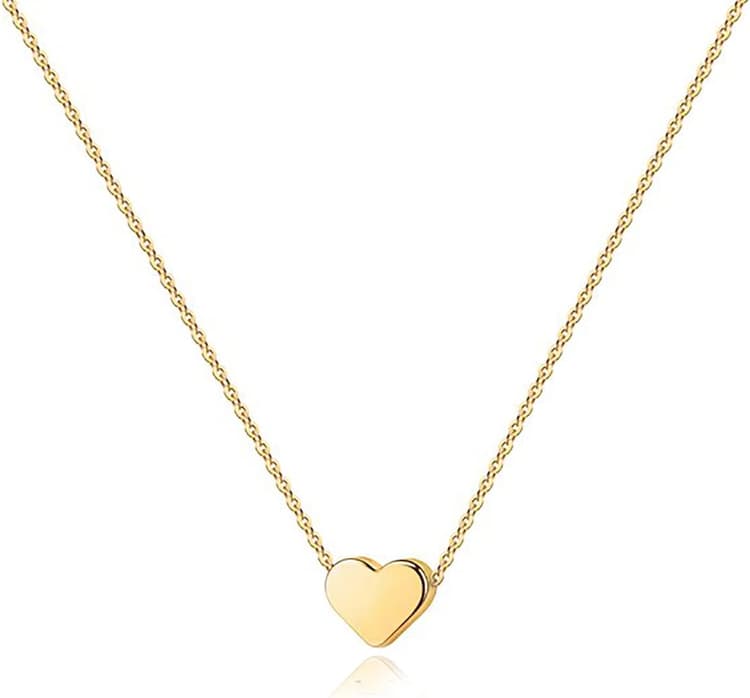
PAVOI
$13.95
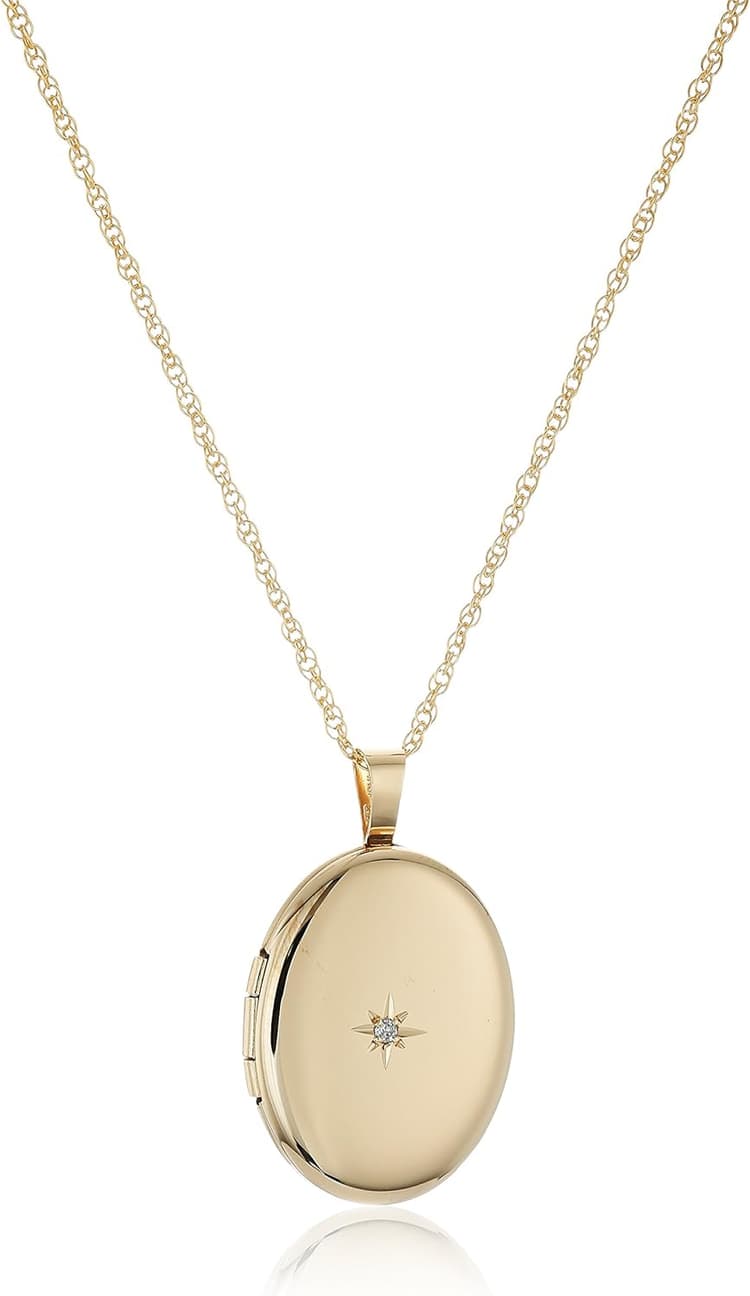
Amazon Essentials
$74.05
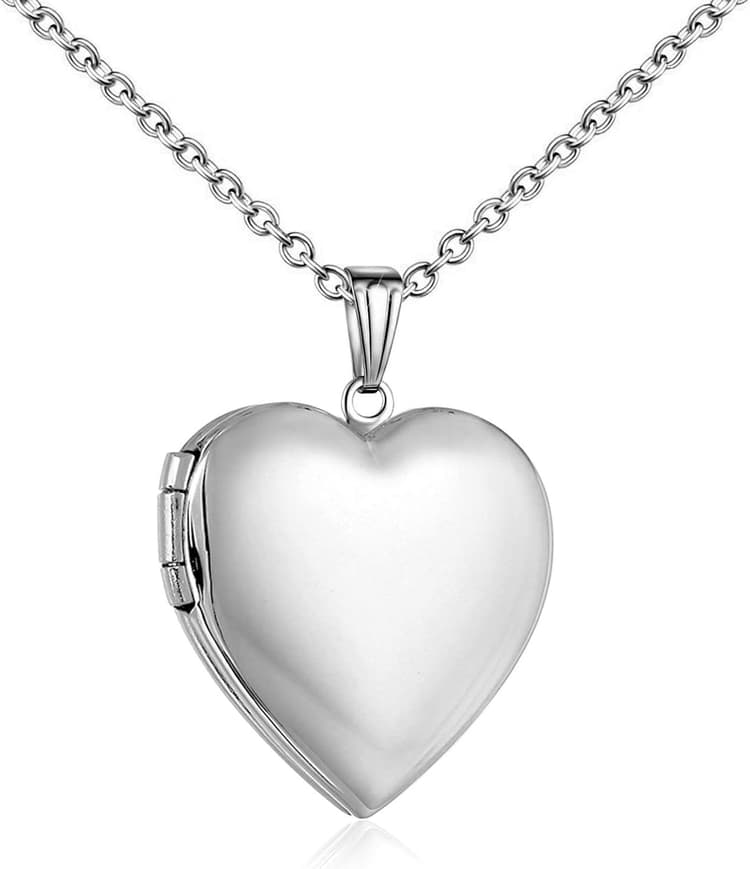
YOUFENG
$9.99
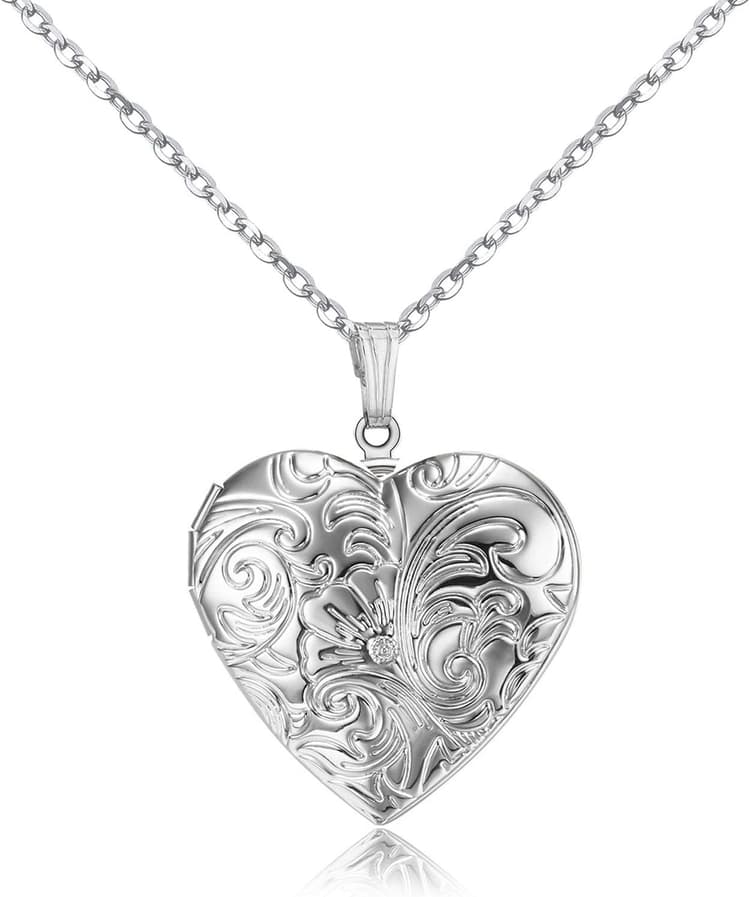
YOUFENG
$9.99
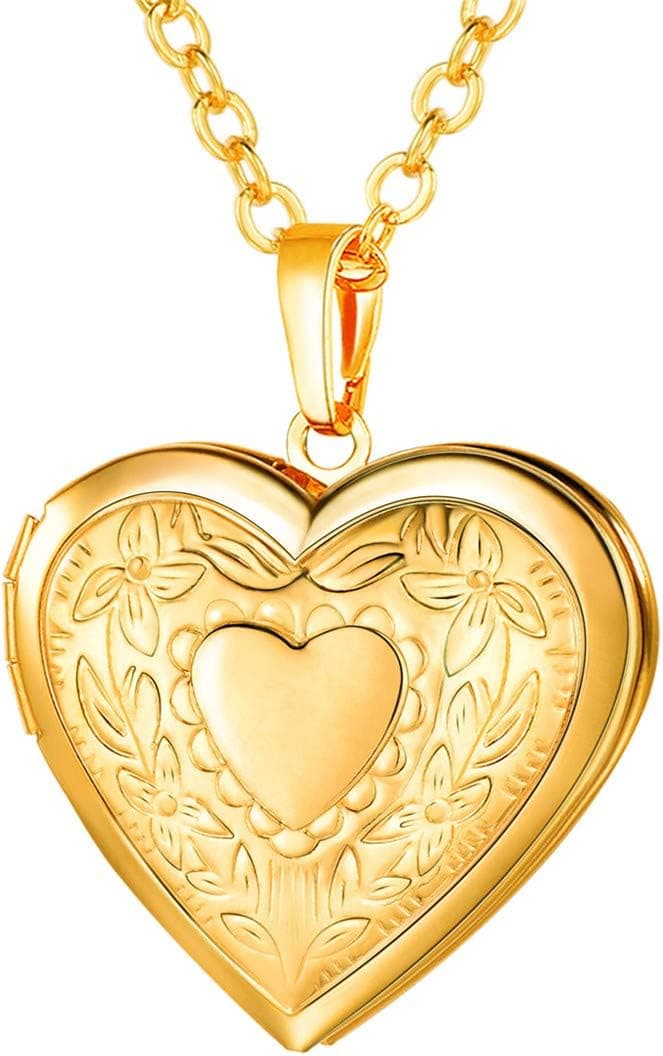
U7
$15.99
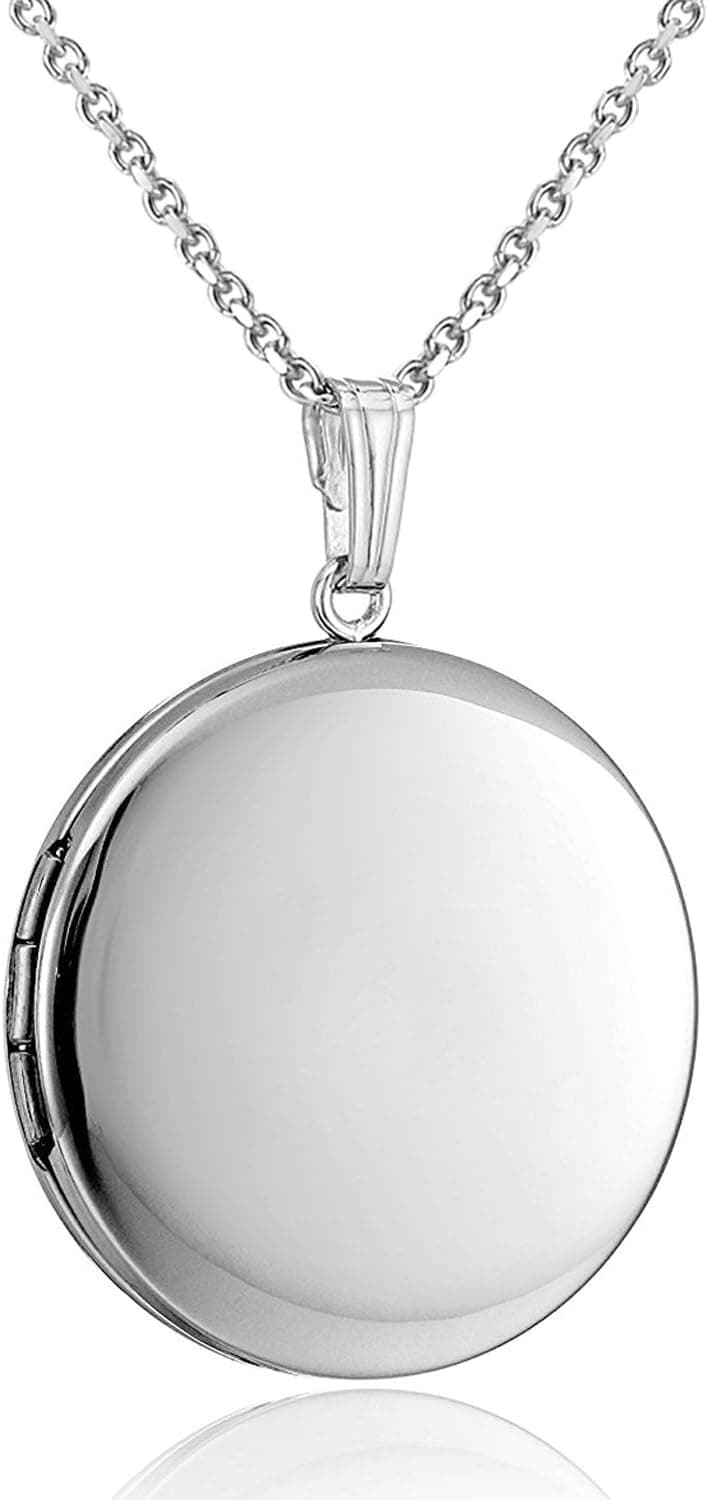
YOUFENG
$9.99
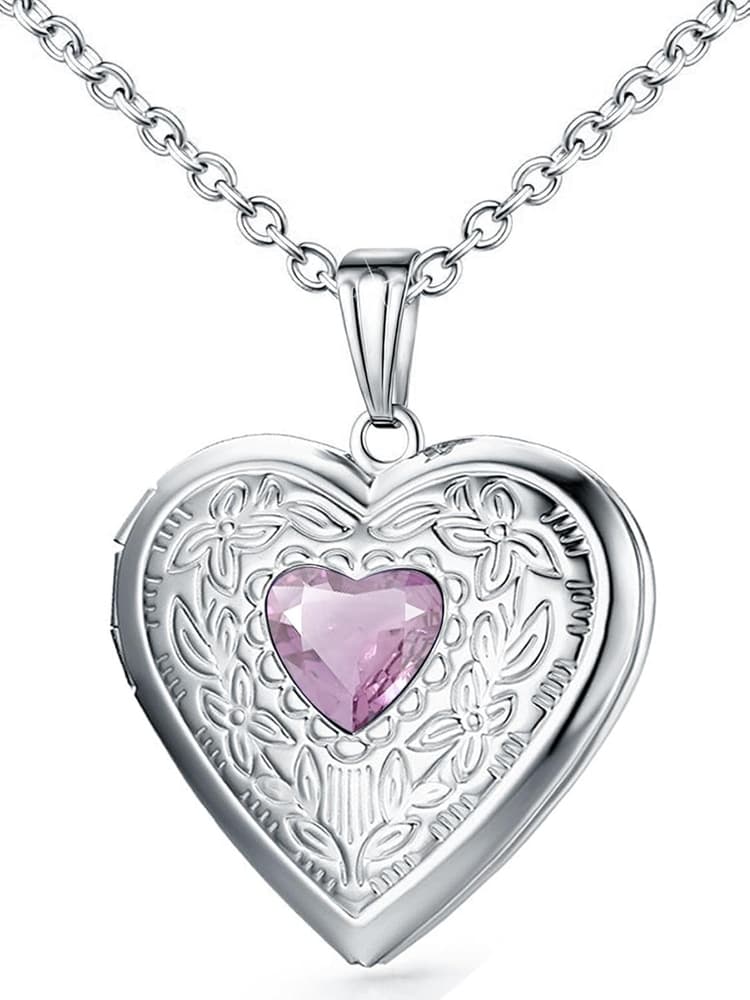
Hutou
$12.99
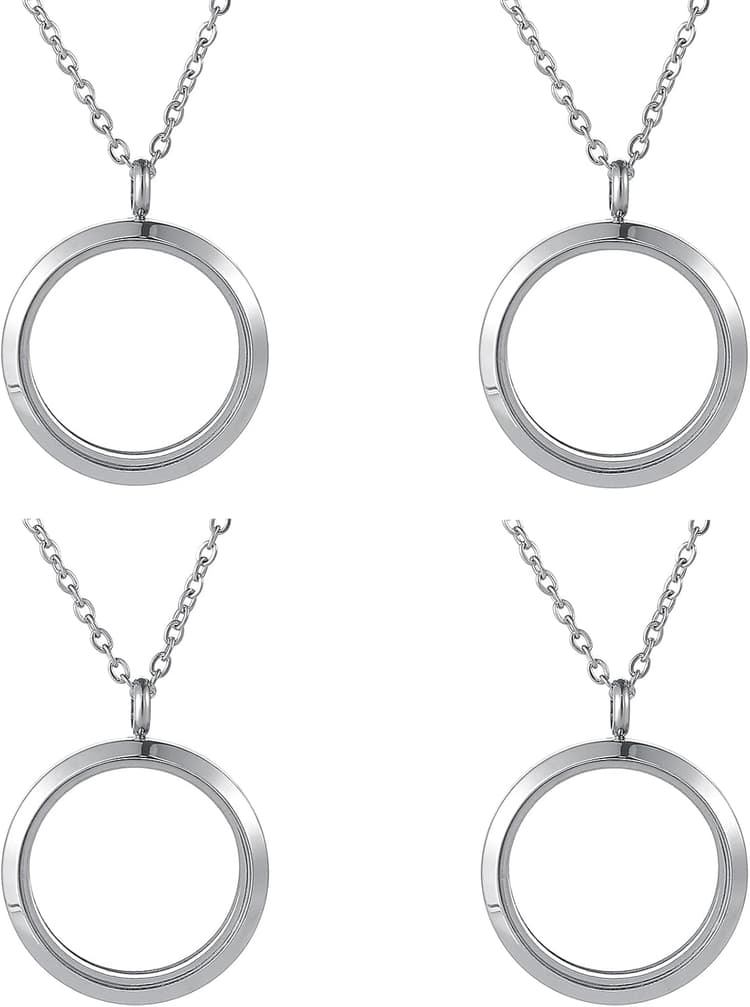
FM FM42
$11.98
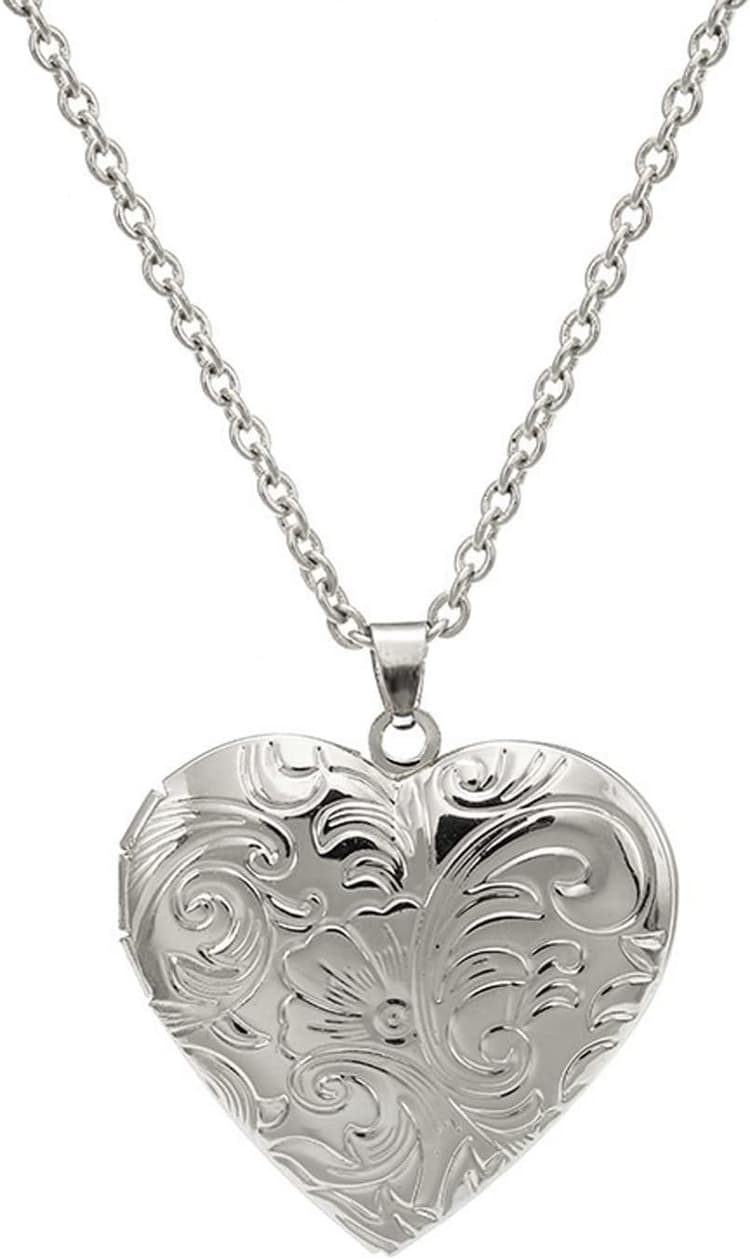
Caiyao
$7.69
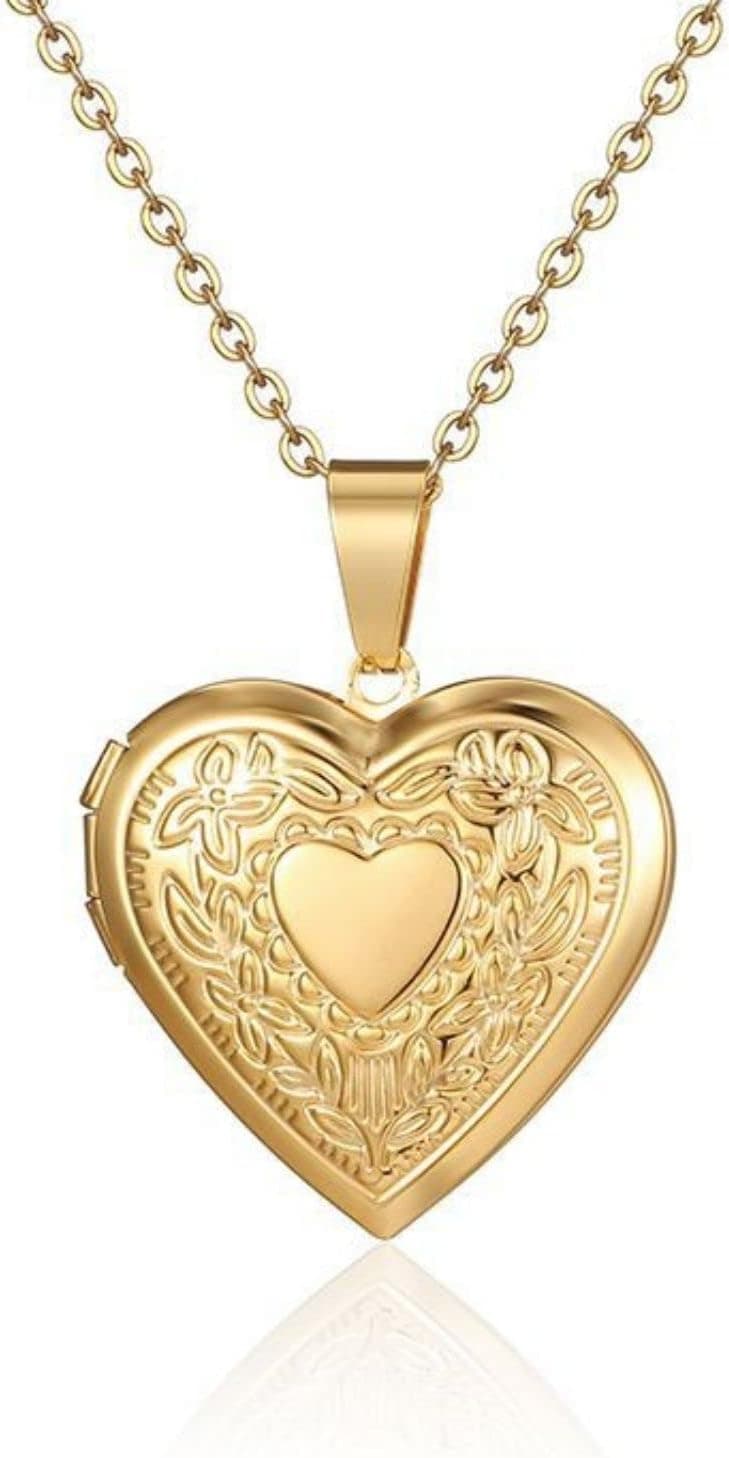
Fuqimanman2020
$6.98
Start with three crisp questions: 1) What is the locket's primary purpose — keepsake (photo/ash), daily jewelry, or occasional statement? 2) How often will you wear it — daily, weekly, rarely? 3) Are there hard constraints — water resistance, hypoallergenic materials, child-safe size?
To make this actionable, complete the following 5‑point prioritisation exercise and keep it next to you when browsing:
How your answers drive technical choices:
Checklist to use in-store or on a product page:
Practical internal link: when you need chain-length context to decide where a locket will sit on the chest, refer to our chain guide: How to Choose a Jewelry Chain.
Using this exercise turns vague preferences into specific filters you can apply while comparing listings and trimming choices efficiently.
Core drivers of price: material, ornamentation, functional hardware (hinge, sealable window), finish quality, weight, and provenance/after-sales service. In 2026, traceability and repair policies can also add measurable value.
Smart budget allocation (rules of thumb):
Tiered classification (practical markers):
| Tier | Typical markers on a product page | When to choose |
|---|---|---|
| Entry | Thin plating, simple snap-fit hinge, acrylic window | Trendy or once-off use |
| Mid | Thicker plating or PVD, pinned hinge, mineral glass | Regular wear or gift with budget constraint |
| High | Solid precious metal, intricate handwork, service/warranty | Heirloom intent or daily, long-term wear |
What to watch for in listings: look for explicit component specs: "pinned hinge", "mineral glass", "316L stainless steel", "thick vermeil / PVD". Vague terms like "gold plated" without thickness or alloy detail are a red flag.
Practical shopping tip: when comparing similar-looking pieces, build a mini spreadsheet with these columns: Mechanism, Material, Interior Protection, Weight (g), Chain Included (Y/N), Warranty. Score each item and prioritise the one that better matches your top 3 priorities.
Internal link: for curated options at different price/quality levels, consult our selection hub: Lockets for Necklaces - Selection and Practical Advice.
This approach helps you spend where it reduces future costs (mechanisms, hypoallergenic metals, durable finishes) and save where it doesn't (purely decorative surface work you can add later.)
Comfort is measurable: position (where it sits), weight (grams), and edge/profile (rounded vs angular). These three variables determine whether a locket is wearable for hours or only briefly.
Measure and visualise:
Weight guidance:
Shape and mechanics: rounded profiles and smooth bails reduce snagging. A wide bail spreads load and reduces friction on the chain; a narrow bail may look neat but constrains movement and can weaken faster.
Quick in-person tests:
Decision table (comfort vs style):
| Priority | Recommended features |
|---|---|
| Maximum comfort | Small size, rounded edges, light weight, wide bail |
| Balanced | Medium size, pinned hinge, mineral glass, mid-weight chain |
| Style-first | Larger size, ornate edges (test for snagging), reinforced chain recommended |
Internal link: if you're pairing the locket with an existing chain or buying a set, check our curated pendant and chain advice in Top Pendant Necklaces.
These objective checks make comfort a predictable outcome rather than a post-purchase surprise.
Primary materials and their behaviours:
Hardware matters as much as metal: a pinned hinge with an internal pin is typically more robust than a friction-fit lid. Spring or snap closures may loosen over repeated cycles. Mineral glass offers better scratch resistance than acrylic; however, it can shatter under heavy impact whereas acrylic resists impact but scratches easily.
Surface treatments and certifications:
Maintenance quick guide:
Quality checklist for product pages:
Internal link: for silver-specific care and comparisons, see our silver guide: How to Choose Silver Jewelry.
Understanding and verifying these signals lets you predict real-world longevity and maintenance needs before purchase — essential if the locket will hold a photo or be worn every day.
Feature checklist (use for quick comparisons):
Everyday performance tests to run (in-store or via request online):
Comparison matrix to score options quickly:
| Attribute | Score 0–3 (0 poor, 3 excellent) | Notes |
|---|---|---|
| Mechanism durability | Pinned hinge = 3, snap = 1–2, screw = 2–3 if well made | |
| Interior protection | Mineral glass = 3, acrylic = 1–2 | |
| Material & finish | 316L / solid gold = 3, thin plated = 1 | |
| Weight/comfort | Below 12 g = 3 for daily wear |
How to prioritise results:
Internal reference: if you want to compare lockets alongside pendant design options, see our pendants hub: Top Pendant Necklaces.
Applying these short tests and the scoring table to three shortlisted options will usually reveal the best long-term choice in under 30 minutes — far faster than relying on pictures alone.
Top beginner mistakes:
Actionable expert tips you can use today:
Simple maintenance routine (2–3 steps):
Seller Q&A checklist before purchase:
Internal link: for general chain and pendant matching tips that reduce common fit mistakes, consult our chain guide: How to Choose a Jewelry Chain.
Bottom line: small verification steps—hinge check, weight note, material confirmation—eliminate the majority of post‑purchase regrets.
SOULMEET
$129.99
Amazon Essentials
$77.90
$95.00
-18 %
*PAVOI
$13.95
Amazon Essentials
$74.05
YOUFENG
$9.99
YOUFENG
$9.99
U7
$15.99
YOUFENG
$9.99
Hutou
$12.99
FM FM42
$11.98
Caiyao
$7.69
Fuqimanman2020
$6.98
Five practical next steps before you buy:
Quick decision map:
Useful internal resources: the product selections in Lockets for Necklaces - Selection and Practical Advice help you see how attributes translate into real items. For matching chains and pendant positions, use How to Choose a Jewelry Chain.
Final note on warranties and repairs: prioritise sellers or makers who clearly document repair options or offer a short-term warranty — hinge repairs and re-plating are common services that extend the life of a meaningful piece.
Following these five actions reduces the uncertainty and makes the final purchase an informed, low‑risk decision that balances emotion and practicality.
Our guides compare and assess jewelry using objective criteria and expert insight.
We regularly update articles to reflect new releases and recent tests.
We may earn a commission if you buy via our links; this does not influence our editorial selection.
When you click, you are redirected to partner retailers chosen for their reputation.